What's inside
As an Amazon Associate I earn from qualifying purchases. This post may contain affiliate links at no extra cost to you.
Our Top Picks
 Klein Tools D228-7 High Leverage Diagonal Cutting Pliers7-Inch (1-Piece)7.12 x 4.6 x 0.43 Inches0 PoundsCheck on Amazon
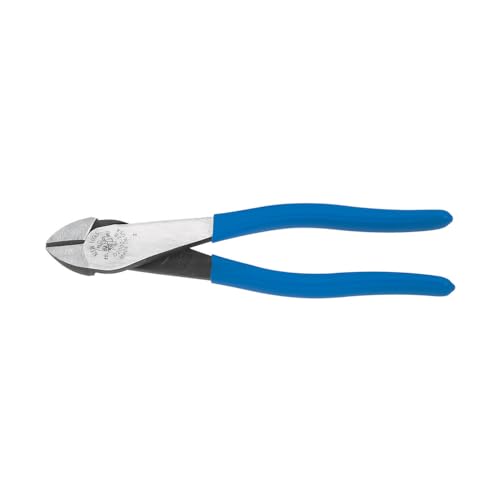
 Klein Tools J2000-28 Heavy-Duty Diagonal Cutting Pliers8-Inch8.13 x 2.13 x 0.44 Inches0 poundsCheck on Amazon

Short answer: end-cutters usually leave a cleaner result
If you need to remove a nail whose head is flush with wood, end-cutting pliers are usually the better tool. Their cutting edges meet at the end of the jaws, so you can place them over a nail head without needing to reach in from the side. They can also grip and lift a nail when you use the rounded head as a small lever.
Diagonal cutting pliers are better at snipping exposed wire and narrow fasteners in tight spaces. They can cut a flush nail if you can get their side-facing blades around it, but the cut may leave a short stub, dent the surrounding surface, or damage the cutting edges. For occasional nail removal, a basic end-cutter may be enough; for finish work, use a thin shim under the tool to protect the wood.
As an Amazon Associate we earn from qualifying purchases at no extra cost to you.


How the jaws change the job
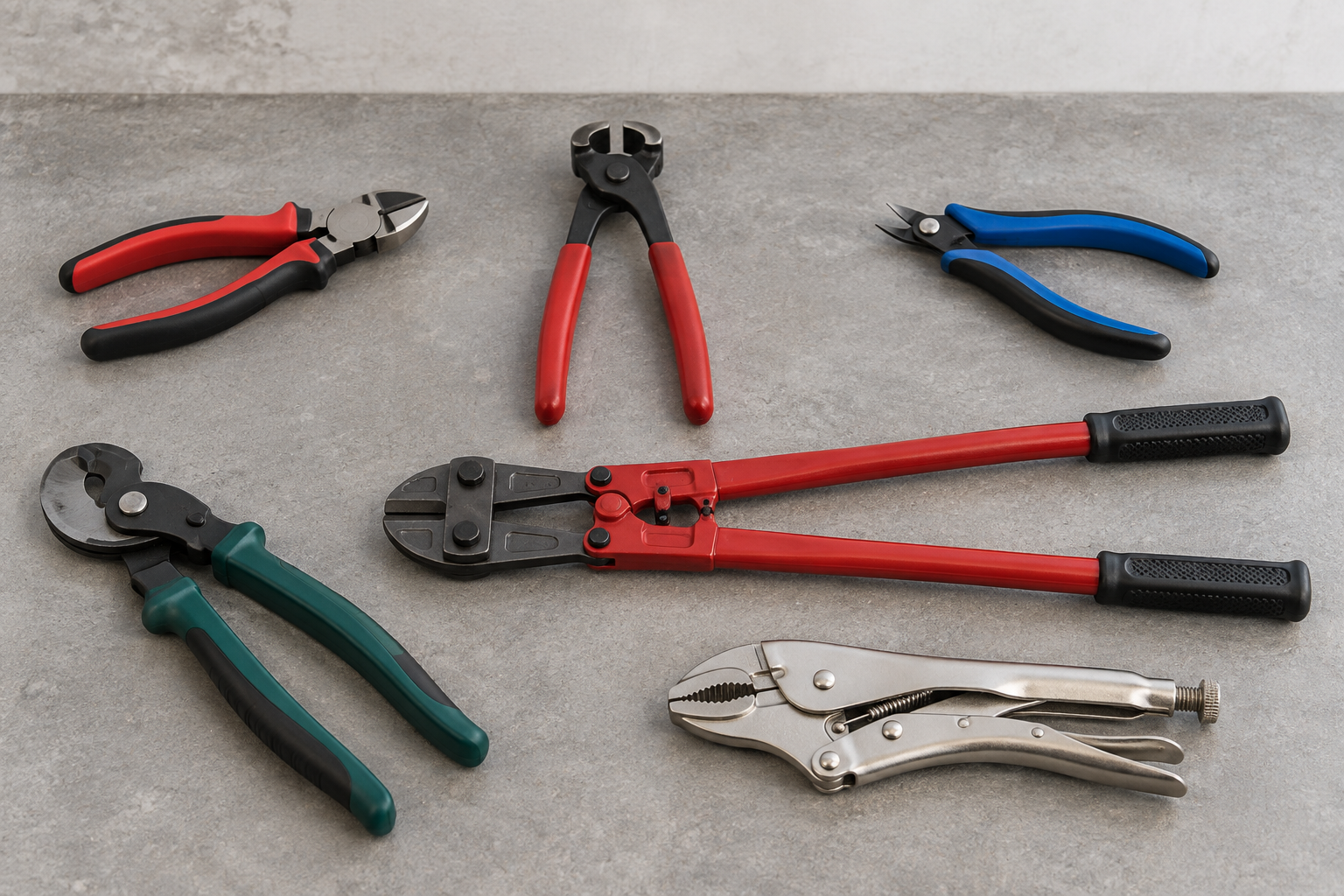
Diagonal cutters, often called side cutters, have angled blades that cut across the sides of the jaws. They are designed to approach a wire from the side and shear it between those blades. End-cutting pliers have blades at the tips of the jaws, facing each other. That geometry lets the tool bite down on a nail head or small protruding shank from above.
Both types cut by shearing, not by crushing. A sharp, well-aligned tool leaves a cleaner cut than a worn or oversized one. But neither is a substitute for a nail puller when the nail is embedded deep, and neither can remove material below the surface without risking damage to the wood.
Quick comparison
| Task or concern | Diagonal cutting pliers | End-cutting pliers |
|---|---|---|
| Approach to a flush nail | Needs side access; blades may not sit squarely over the head | Jaws approach from above and can bite close to the surface |
| Typical result | Can leave a stub or mark the surface if tilted | Cleaner cut; can also pull a lightly embedded nail by rocking |
| Best everyday use | Wire, cable ties, small protruding fasteners | Nails, pins, brads, and small protruding staples |
| Main risk | Twisting or prying can chip the cutting edges | Levering on bare wood can dent or crush the surface |
| Worth buying for one nail? | Only if you already own them or need them for other work | Often the more suitable choice if nail removal is recurring |
What “cleanly” means in practice
For a nail sticking slightly above the surface, end-cutters can grip the head and sever it close to the wood. If there is enough exposed shank, they may instead pull it out: close the jaws on the nail, then rock the rounded head against a scrap of hardwood or a thin steel shim. That spreads the force and reduces the chance of a crescent-shaped dent.
For a truly flush nail, there is little or nothing to grip. The end-cutter may still catch the edge of a head, but it cannot guarantee removal without disturbing the surrounding surface. A diagonal cutter has the same limitation and often a worse approach angle. If the nail must come out rather than be cut level, use a nail puller, end-cutting nippers designed for pulling, or a small pry tool with a protective shim.
Don’t twist either pair of cutters sideways while the nail is clamped. That puts torsional load on the cutting edges, which can chip them. Hardened nails are particularly unforgiving: if a nail resists firm hand pressure, stop rather than adding a longer handle. Pliers are not meant to cut masonry nails or hardened steel fasteners.
What to buy
If this is a recurring repair or trim task, look for end-cutting pliers with jaws narrow enough to reach the nail and a rounded head that can rock against a shim. A roughly 6- to 8-inch tool is a useful general range: shorter handles fit into cramped spaces, while longer handles give more leverage. Check that the jaws meet evenly at the tips; a visible gap can leave a whisker of metal instead of a flush cut. Compare end-cutting pliers for carpentry if you need a dedicated tool.
Diagonal cutters remain the sensible purchase if your main work is electrical or general shop cutting and nail removal is rare. A standard pair may handle a small soft nail that protrudes enough to reach, but don’t buy them expecting them to pull flush nails. For a single nail in scrap wood, a small nail puller or pry bar may be cheaper and less likely to damage the cutter. If you already own side cutters, try them only on a low-stakes piece first.
A careful way to remove or trim a nail
First, confirm the fastener is a nail, not a screw or hardened pin, and check what is behind the work surface. Wear eye protection: a cut nail end can fly. If the nail protrudes, grip it as close to the wood as possible. To pull it, place a thin shim beneath the rounded head of the end-cutters and rock the handles gradually. Reposition the shim as the nail rises so the tool does not bear directly on the finished surface.
If pulling is not practical and a flush finish is enough, trim the nail with end-cutters held square to the surface. Work in small increments rather than squeezing at an angle. For a nail already flush, use a nail punch to drive it slightly below the surface if the material and finish allow; fill the resulting hole afterward. In visible trim, test the method on an inconspicuous spot first, since wood can split or compress even when the metal cut is neat.
The practical choice
Choose end-cutting pliers when the job involves flush or nearly flush nails and you want the tool’s jaws directly over the fastener. They offer the cleaner approach and can sometimes pull as well as cut. Choose diagonal cutters for wire and general snipping, or use the pair you already own for an occasional exposed, soft nail. For a nail that is genuinely level with the surface, neither tool promises a clean pull; a nail puller, punch, or careful pry method is the better match.