What's inside
As an Amazon Associate I earn from qualifying purchases. This post may contain affiliate links at no extra cost to you.
Our Top Picks
 DEWALT Oscillating Fastcut Carbide Grout Removal BladeOne Size4.81 x 0.85 x 5.75 inches0.17 poundsCheck on Amazon



Quick answer
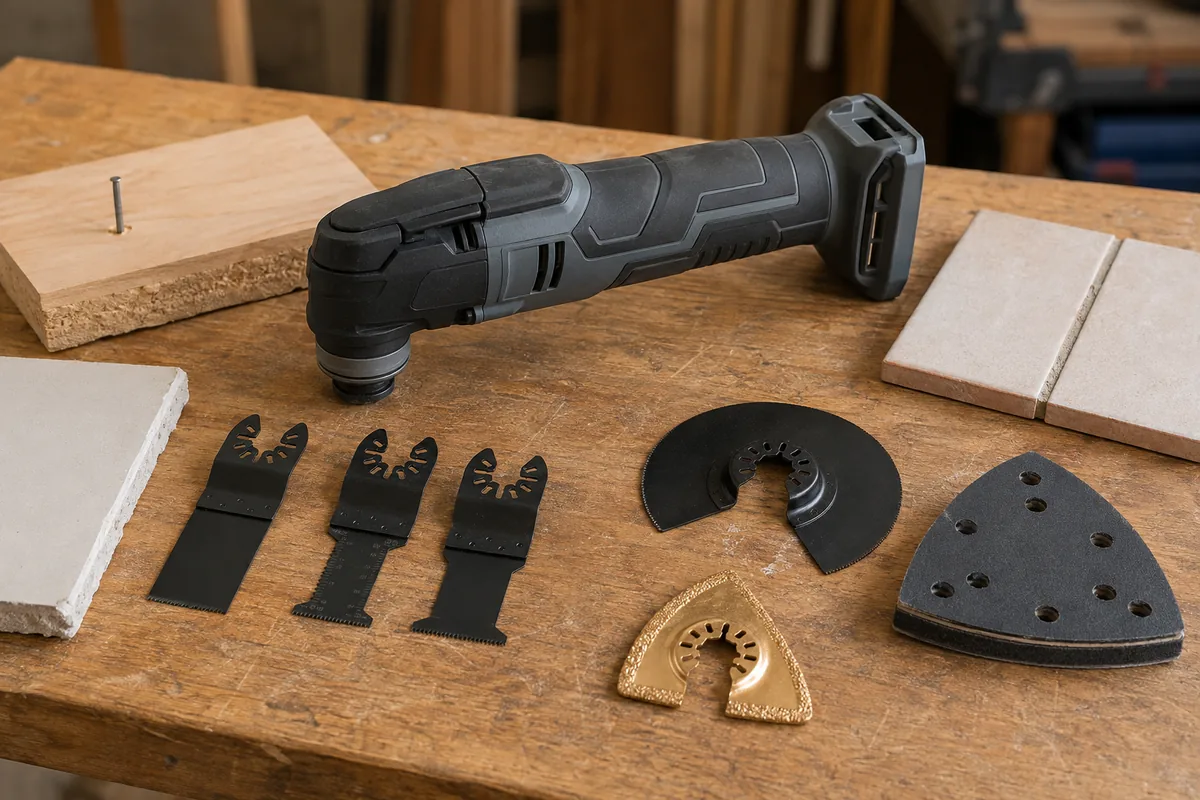
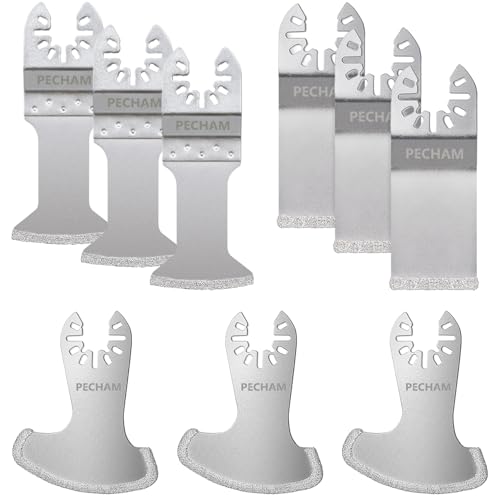
For removing grout between floor tiles, start with a carbide-grit oscillating grout-removal blade sized to fit the grout joint. It is usually the best balance of cutting speed, cost and control for ordinary cement-based grout. Choose a diamond-grit blade instead if the grout is especially hard, you expect to work on several joints, or you want a blade that is less prone to wearing down. Neither type is safe to push blindly into a joint: the blade can chip tile edges, damage the substrate or cut into pipes and underfloor heating.
Which blade should you buy?
Match the blade width to the joint, not just to the tool. A narrow blade is easier to steer in a tight joint; a wider one removes grout faster but leaves less room for error. Measure the joint and compare it with the blade’s stated width. If the grout line is about 3 mm wide, for example, a blade around that width is a more controlled starting point than a much wider blade. Check whether the blade uses a universal oscillating-tool mount or requires an adapter for your tool.
As an Amazon Associate we earn from qualifying purchases at no extra cost to you.



Carbide-grit blades are generally the economical choice for a small repair or occasional bathroom and kitchen work. They cut cement grout by abrasion, and their grit gradually wears away. A diamond-grit blade typically costs more but can be worthwhile for longer jobs or dense grout. Both types can overheat if held in one place or forced into the joint. Let the tool do the work and pause if the blade or tile becomes hot.
For a typical DIY job, compare carbide oscillating grout blades with diamond oscillating grout blades. Focus on blade width, mount compatibility and the maker’s stated use, rather than assuming a higher price guarantees a better fit.
Carbide or diamond?
| Blade type | Best fit | Trade-off | Watch for |
|---|---|---|---|
| Carbide grit | Small jobs and routine cement grout | Usually cheaper; wears with use | Slow cutting once the abrasive surface is worn |
| Diamond grit | Hard grout or a larger removal job | Higher upfront cost; still needs careful handling | Can damage tile edges just as readily if misaligned |
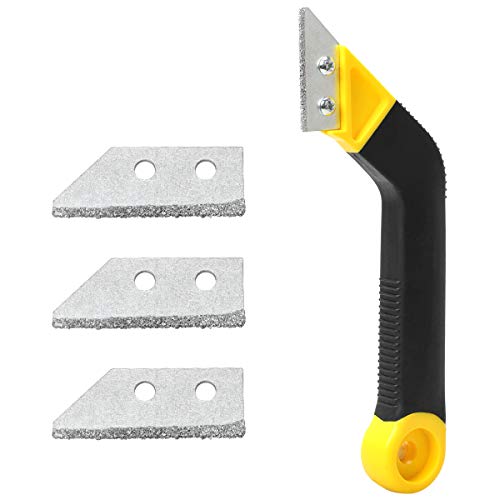
| Grout-removal accessory with a guide | Users who want help controlling depth or position | May cost more or limit access in tight corners | Check that the guide fits your tool and joint width |
A guide or depth stop can help, but it does not make the cut foolproof. Tile thickness, uneven grout and the material underneath vary from floor to floor. For a small patch, a manual grout saw may be slower but offers fine control without a powered blade; it is a sensible alternative near fragile tile edges.
Avoid tile and floor damage
Before cutting, find out what is beneath the tile if possible. Oscillating blades can cut into a waterproofing layer, underlayment, heating cable or pipe once they pass through the grout. This is a serious risk with shallow-set radiant heating. If you cannot establish a safe working depth, avoid cutting deeply with a power tool; use a manual saw or consult a tile professional.
Start with the tool at a moderate speed and hold the blade in line with the joint. Make several shallow passes instead of trying to remove the full depth at once. Keep the blade centered, use light pressure, and lift it out periodically to clear dust. Do not twist the blade sideways in the joint: that can lever against the tile and chip an edge. Stop if the blade wanders, the grout becomes unusually hot, or the tile starts to move.
Grout dust is fine and irritating. Wear eye protection and a well-fitting respirator rated for fine dust, and use dust extraction where practical. Keep the work area ventilated, but do not rely on a household fan to control dust. Protect nearby surfaces and keep loose hair, clothing and cables away from the oscillating tool.
A controlled removal method
Remove enough grout to make a sound repair rather than merely scraping the surface. For many repairs, that means clearing the joint to a depth of roughly 5–6 mm, or at least about two-thirds of the tile thickness, but follow the grout manufacturer’s guidance and do not cut into the substrate. The correct depth depends on the replacement grout and the joint construction; a thin surface groove may not hold well.
Work along a short section first and inspect the result. Vacuum out the joint and check whether the remaining grout is loose or cracked. If the blade is making little progress, check for a worn abrasive surface, a blade that is too narrow for efficient removal, or grout that may be epoxy rather than cement-based. Epoxy grout is much tougher and may call for a different approach; forcing a standard carbide blade can waste time and overheat the tool.
Near corners and tile edges, switch to a hand grout saw or a narrow hand scraper if the powered blade is hard to control. A manual grout saw is slower, but its lower cutting speed can be an advantage where a small slip would damage a visible tile.
Buying checklist
Before ordering, confirm the blade fits your oscillating tool, the stated cutting width suits the grout joint, and the product is intended for grout rather than general wood or metal cutting. For one modest repair in ordinary cement grout, a basic carbide blade is often enough. For repeated jobs, hard grout or a larger floor area, compare the cost of a diamond blade against replacing worn carbide blades. Buy the narrowest blade that can clear the joint efficiently, and favor control over speed when the tile is difficult to replace.