What's inside
As an Amazon Associate I earn from qualifying purchases. This post may contain affiliate links at no extra cost to you.
Choosing between a cold cut saw and a portable band saw for structural steel comes down to whether you value fast, square production cuts or flexibility on material already installed. Both use toothed blades and produce less heat than an abrasive chop saw, but they are built for different jobs. A cold cut saw is usually the better shop machine. A portable band saw is usually the better field tool.
As an Amazon Associate we earn from qualifying purchases at no extra cost to you.


Our Top Picks
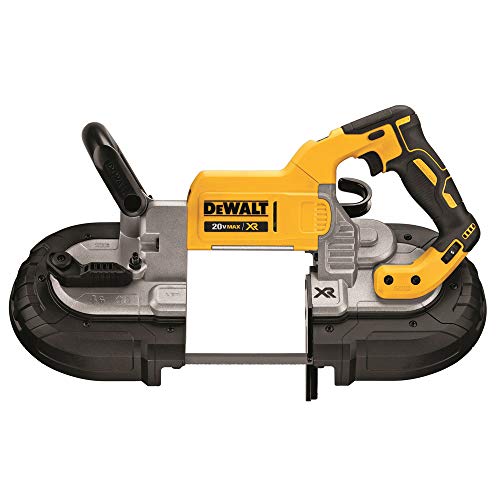
 DEWALT DCS374P2 20V Max Deep Cut Band SawOne Size22.08 x 7.88 x 17.75 inches24.97 PoundsCheck on Amazon


How the two tools cut steel
A cold cut saw uses a circular, carbide-tipped or high-speed-steel blade. The blade engages the work with several teeth at once, and the machine feeds it through a fixed vise. Typical steel-cutting blades are 12 to 14 inches in diameter, with cutting capacities around 4 to 5 inches for square stock and roughly 4 to 6 inches for round stock, depending on the saw.
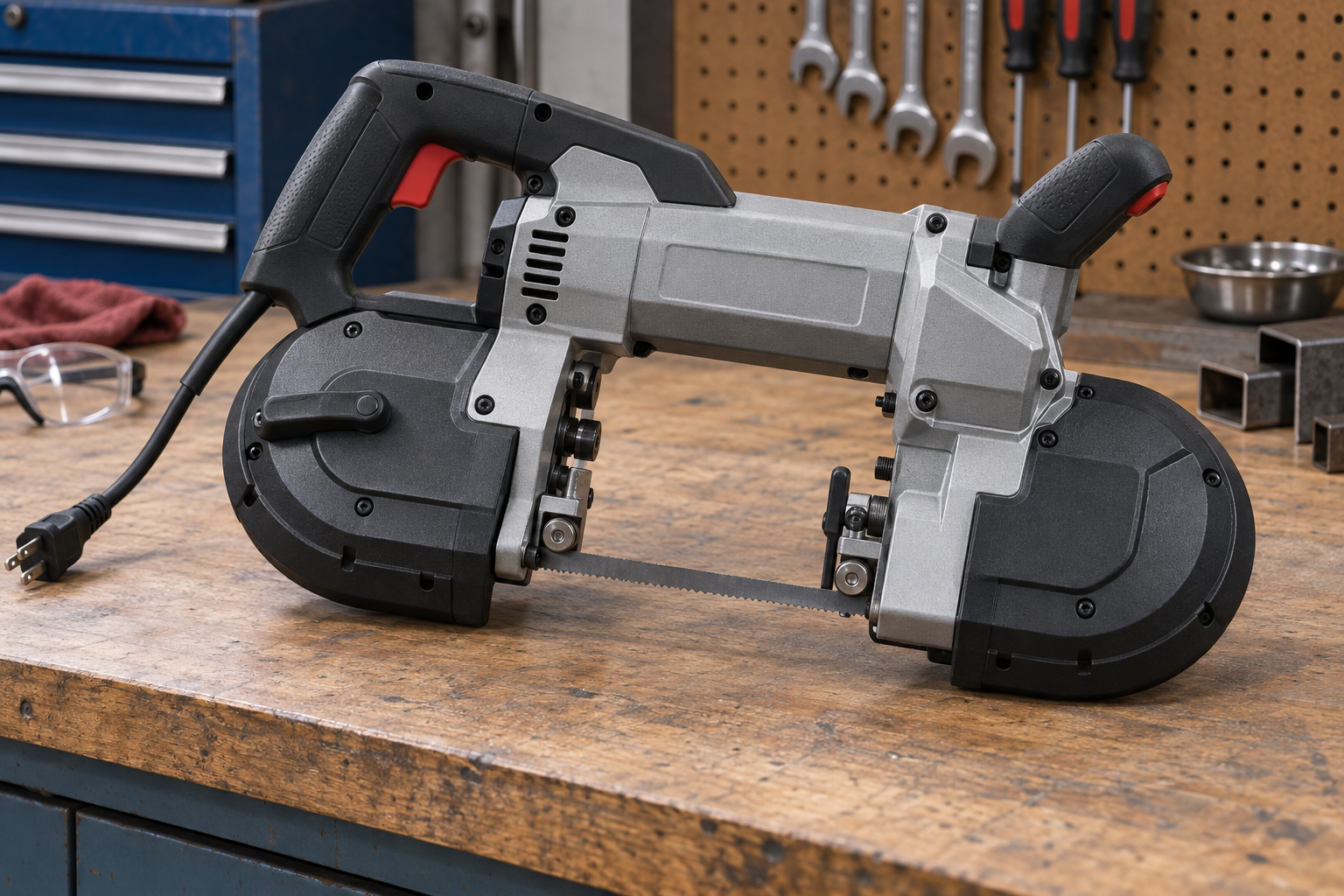
A portable band saw runs a continuous loop blade between two wheels. You lower the saw onto the work by hand, so it can cut pipe, angle, channel, plate, and installed members without bringing them to a bench. Common deep-cut models handle approximately 4 by 4 inches, while larger versions reach about 5 by 5 inches or more. Compact saws may only manage 2-1/2 to 3 inches.
Neither tool is intended to replace engineering judgment. Verify that the member is supported, secured, and safe to cut. Removing a brace, stiffener, or section of a loaded frame can cause movement even when the cut itself is small.
Cold cut saw vs portable band saw
| Factor | Cold cut saw | Portable band saw |
|---|---|---|
| Best setting | Fabrication shop or dedicated cutting station | Field work, maintenance, and awkward locations |
| Typical cut speed | Fast and repeatable once the vise is set | Slower, but useful on large or installed steel |
| Cut accuracy | Usually very good; square cuts are easy | Depends heavily on hand control and blade tracking |
| Heat and sparks | Low heat and few sparks with the correct blade | Very low heat and usually no visible sparks |
| Material capacity | Limited by the vise and blade diameter | Limited by throat depth and how steadily it can be held |
| Setup and portability | Heavy, bench-mounted or stand-mounted | Handheld and easy to carry around a jobsite |
| Typical failure | Stripped teeth, blade damage, or workpiece movement | Blade wandering, pinching, or breaking at the weld |
When a cold cut saw is the better choice
Buy a metal-cutting cold cut saw when most of your work happens at a bench and you need repeatable lengths. The vise holds the stock in a consistent position, and the rigid head keeps the blade close to square. That matters when cutting tubing, angle iron, flat bar, or structural sections that must be welded together without large gaps.
Production speed is the main advantage. A properly adjusted saw can make dozens of cuts with little operator fatigue. A 4-inch piece of mild-steel square tube may take only a few seconds of actual cutting, although clamping and measuring still determine the overall cycle time. The blade also leaves a narrow kerf compared with an abrasive wheel, so it removes less material and does not coat the work with abrasive grit.
The limitations are just as important. A cold cut saw needs room around the vise, a stable stand, and a way to support long stock on both sides. Long channel or angle can twist as the cut completes, damaging teeth or pulling the work out of alignment. Carbide blades can be expensive, often costing far more than a band-saw blade, and one crooked entry, impact, or loose clamp can chip multiple teeth.
Use the blade’s tooth count and speed range for the material. Running too fast, forcing the feed, or cutting thin wall tubing with an overly coarse blade can create vibration and tooth damage. A coolant system or cutting lubricant can extend blade life, but it also creates cleanup and can be undesirable when welding immediately afterward.
When a portable band saw is the better choice
Choose a portable deep-cut band saw for repair work, structural modifications, and cuts that cannot be brought to a machine. It can cut a steel post in place, trim threaded rod overhead, or separate pipe and channel in a cramped frame. Corded models avoid battery limits; cordless models are more convenient where power is unavailable.
The blade produces a thin kerf and little heat, which reduces discoloration and the chance of changing the steel’s edge condition. It is also less likely than an abrasive saw to throw a shower of sparks. That does not make it safe around flammables: hot chips, a broken blade, and sparks from contaminated or hardened material remain possible.
The trade-off is control. The operator must keep the blade aligned and let it cut without twisting the housing. Pushing sideways causes the blade to wander, especially near the end of a cut. Pinched blades can strip teeth or break at the welded joint. On a 4-inch section of structural tube, a portable band saw may take 20 to 60 seconds depending on blade condition, thickness, and motor power. That is acceptable for a few cuts but tiring for a production run.
For the best results, clamp the work as close to the cut as possible, use a blade with the right teeth-per-inch range, and reduce pressure as the cut finishes. Bi-metal blades are a sensible default for mild steel. Keep spare blades available; a portable band saw is useless when its only blade snaps halfway through a job.
Cost, blades, and maintenance
A basic portable band saw can be the cheaper overall purchase, particularly if you already own compatible batteries. It also avoids buying a stand and often handles more varied work. A bi-metal portable band-saw blade set costs less per replacement than many carbide cold-saw blades, but you will normally replace blades more often.
A cold cut saw costs more up front and takes more floor space, yet its cost per cut can be lower in a busy fabrication shop. Keep the vise clean, inspect the blade, lubricate pivot points as directed, and support stock correctly. For either saw, replace a dull blade rather than compensating with more feed pressure. Excessive force overheats motors, damages teeth, and produces inaccurate cuts.
Which one should you buy?
Buy the cold cut saw if you regularly cut batches of structural steel to measured lengths and have a permanent work area. It is the clear choice for speed, repeatability, and square cuts.
Buy the portable band saw if your steel is already installed, your cuts are occasional, or your material varies in shape and location. The cheaper option is entirely adequate for a homeowner, maintenance worker, or small crew making a handful of cuts. If you need both field flexibility and shop productivity, start with the band saw and add a cold cut saw only when setup time and production volume justify it.