Crowfoot Extension on a Torque Wrench: When Does It Change the Applied Torque?

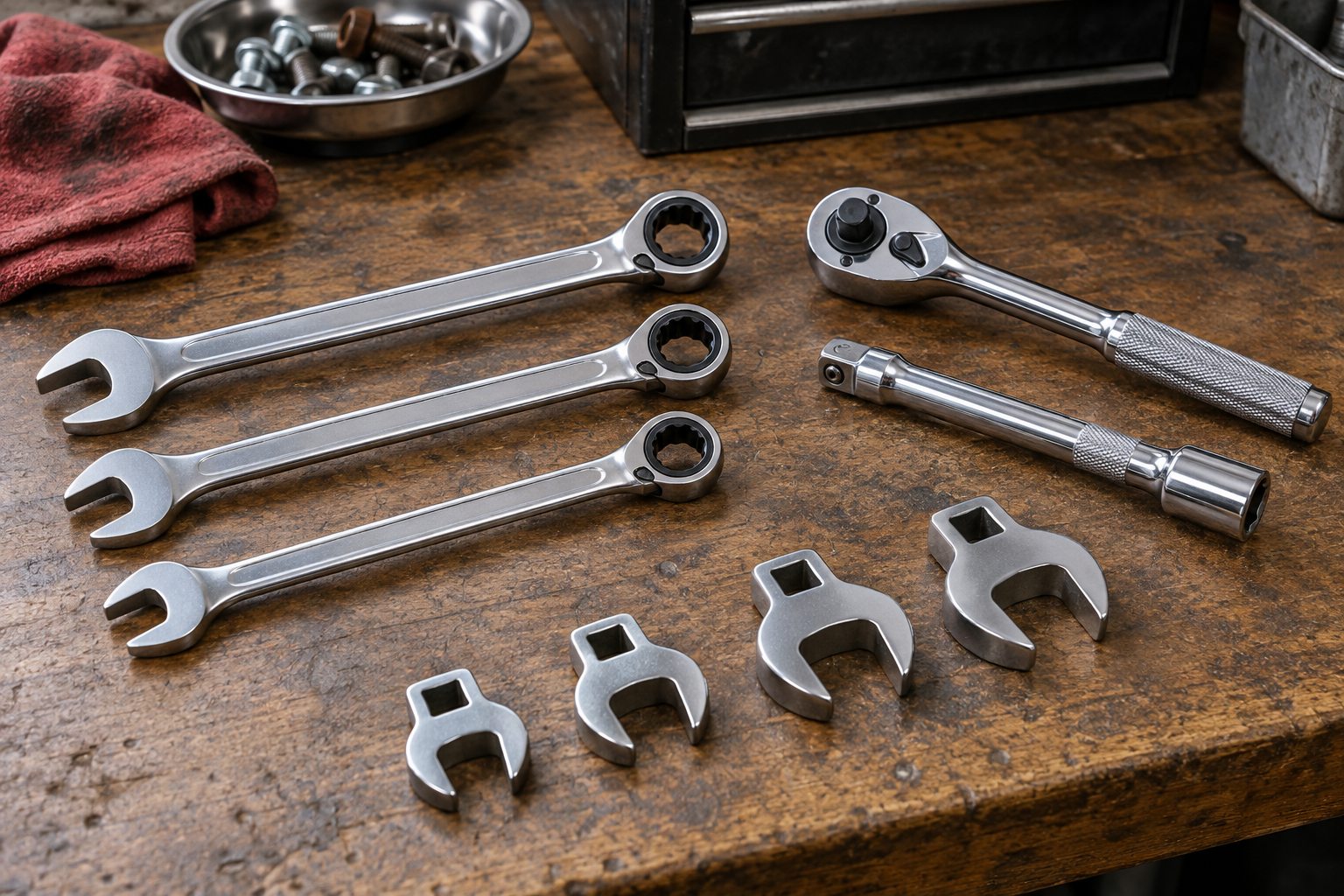
AI-generated editorial illustration of ratcheting wrenches and crowfoot heads

The Short Answer A crowfoot extension changes the applied torque when it extends the torque wrench in a straight line. It increases the effective lever length, so the fastener receives more torque than the wrench setting indicates. When the crowfoot is installed at 90 degrees to the wrench handle, it normally does not change the … Read more

How to Choose Torque Wrench Drive Size for Automotive Work

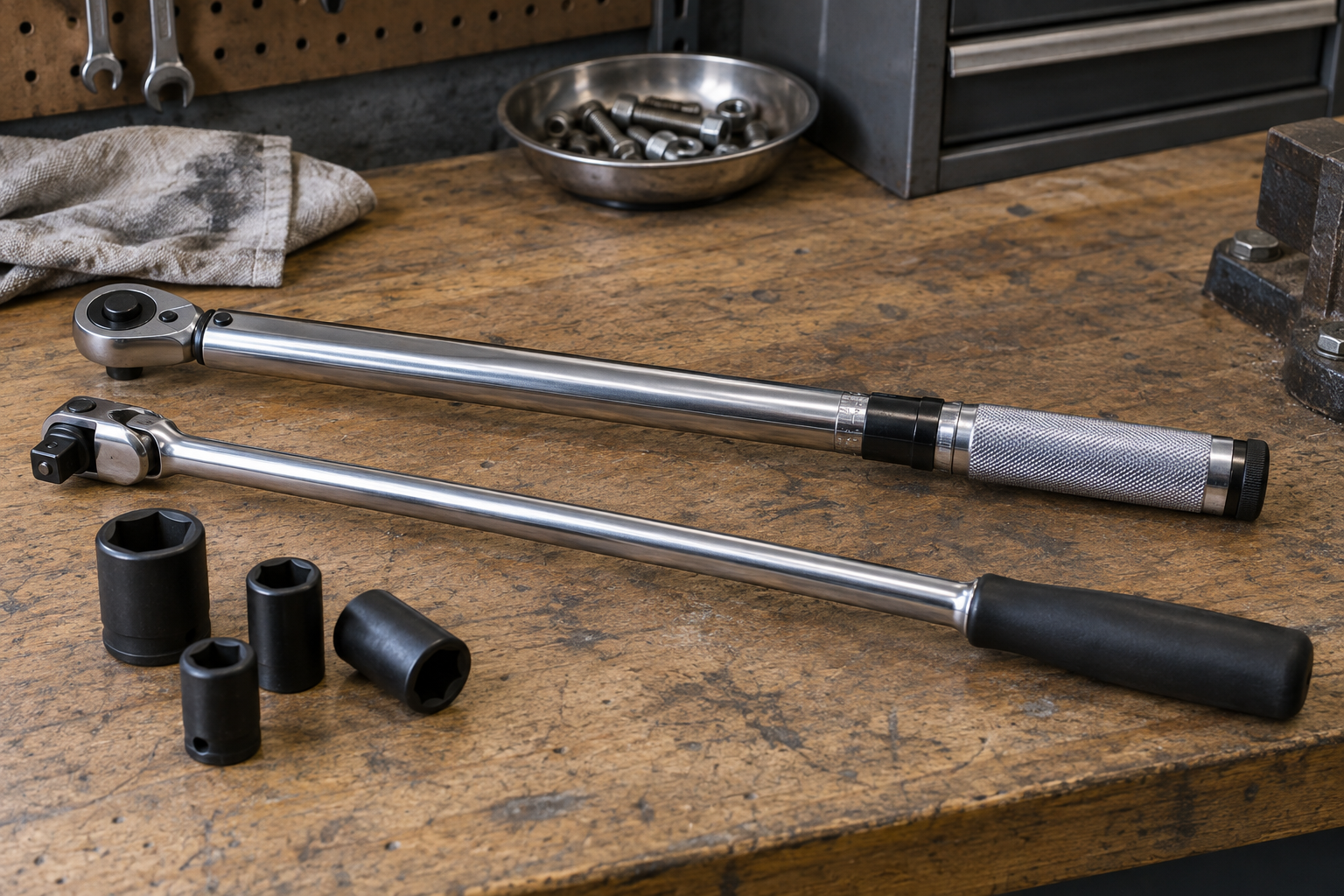
AI-generated editorial illustration of torque wrench and breaker bar

Drive size affects more than which socket fits a torque wrench. It influences the wrench’s torque range, length, weight and usefulness in tight spaces. For most automotive work, a 3/8-inch drive is the practical choice for smaller fasteners, while a 1/2-inch drive covers many wheel and suspension jobs. A 1/4-inch wrench has a place on … Read more

Click Torque Wrench vs Split-Beam Torque Wrench: Which Holds Calibration Better?

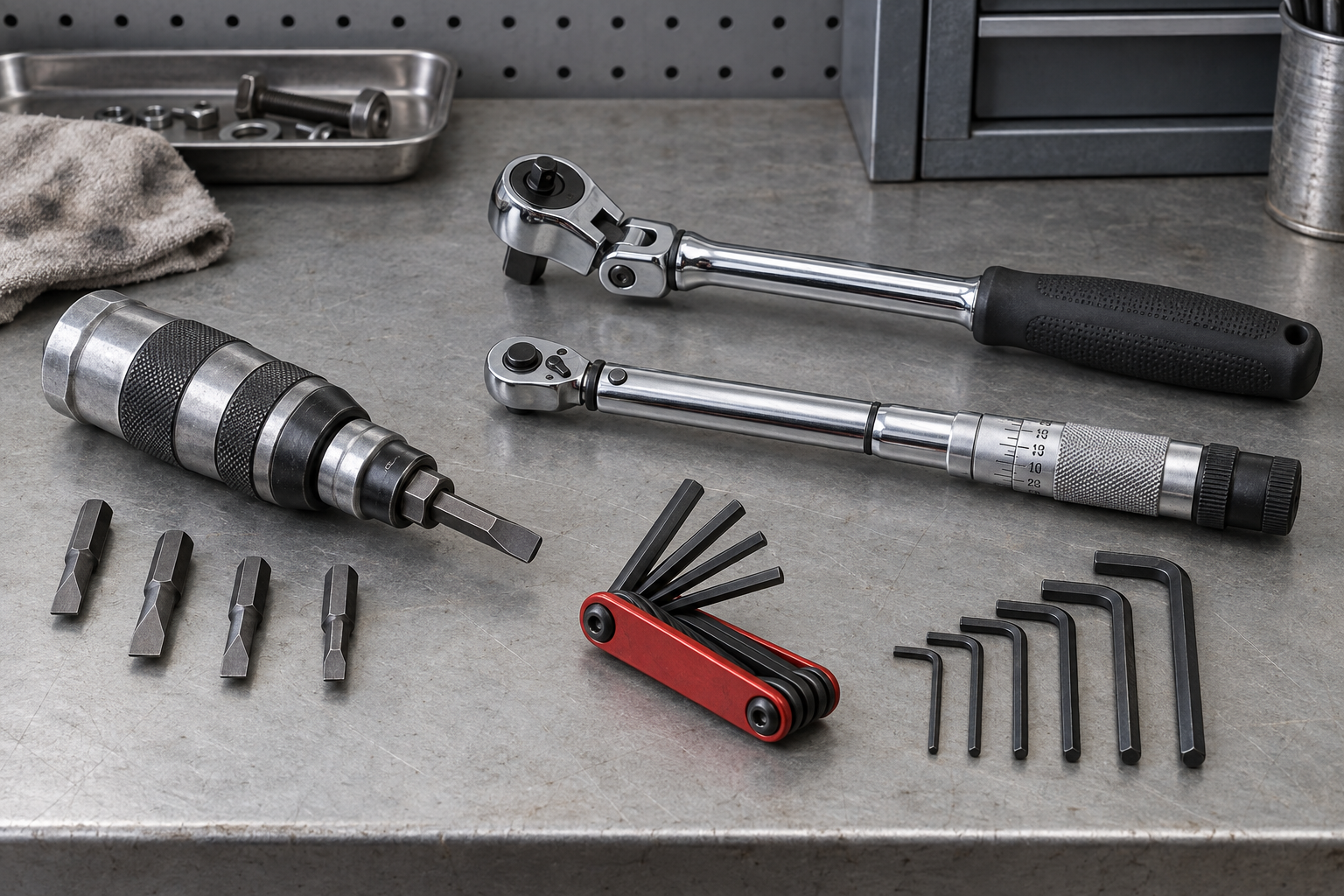
AI-generated editorial illustration of torque wrench and breaker bar

Click Torque Wrench vs Split-Beam Torque Wrench If calibration retention is your main concern, a split-beam torque wrench is usually the safer choice. It has a simpler measuring mechanism, fewer parts under spring tension, and normally does not need to be backed off after use. A click wrench can still be accurate and is often … Read more

Order backlinks