What's inside
As an Amazon Associate I earn from qualifying purchases. This post may contain affiliate links at no extra cost to you.
On paper, a brushless drill often promises longer runtime and more power. Under sustained high load, the difference is less about a dramatic speed increase and more about how efficiently each motor handles heat, how long it can keep working before the battery needs changing, and how well the tool tolerates repeated hard use.
That matters when drilling large holes, driving long fasteners, mixing small batches of material, or putting a drill through a long work shift. For occasional pilot holes and light assembly, a brushed drill can still be the better buy.
As an Amazon Associate we earn from qualifying purchases at no extra cost to you.


Our Top Picks
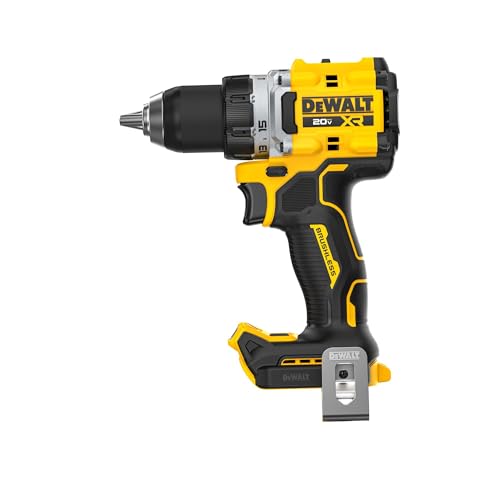 DEWALT 20V MAX XR Brushless Cordless 1/2 in.9 x 3.5 x 7.1 inches9 x 3.5 x 7.1 inches0.86 poundsCheck on Amazon
 Dewalt DCD794B 20V MAX ATOMIC COMPACT SERIES BrushlessOne Size6.61 x 3.32 x 8.39 Inches2.51 PoundsCheck on Amazon
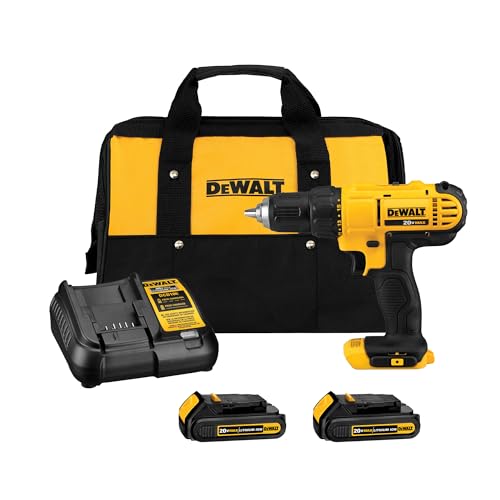
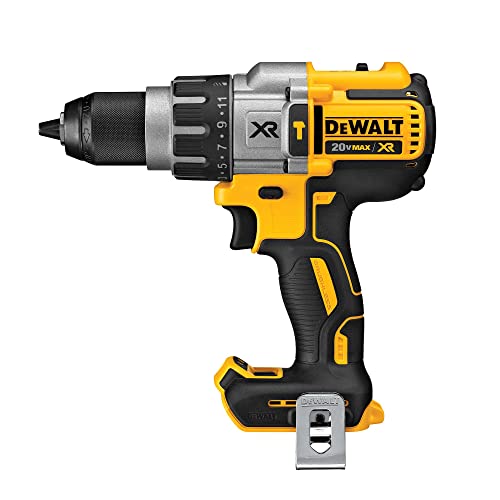
What changes in the motor
A brushed motor uses carbon brushes that press against a rotating commutator to deliver current to the motor windings. That physical contact creates friction and electrical losses. Brushes gradually wear, and the contact area can heat up during extended work.
A brushless motor uses electronic controls to switch current through the windings without brushes rubbing on a commutator. Removing that contact reduces one source of friction and wear. The controller can also adjust power delivery to match load, though it adds electronics that can fail and cost more to replace.
Neither type is immune to overheating. A brushless drill can still get hot if you lean on it, use a dull bit, or keep it running near stall. Brushless does not mean unlimited duty cycle.
What sustained load feels like
Consider boring repeated 1-inch holes through framing lumber with a suitable auger bit. A brushed drill may slow as resistance rises, draw more current to maintain work, and heat up sooner. A brushless drill in the same voltage class will usually use battery energy more efficiently and may hold its speed better, depending on its design and gearing.
The difference shows up over a series of holes, not necessarily on the first one. A motor running hot can lose performance as its temperature rises, and the drill may need a cooling break. With brushed tools, worn brushes can eventually cause intermittent operation, reduced power, or failure to start. Brush replacement is possible on some models, but not all drills are designed for easy servicing.
Brushless tools avoid brush wear, but their electronic controller is a potential failure point. If it fails, repair can be expensive enough that replacing a budget drill makes more sense. In either case, repeated near-stall work is hard on the motor, battery, gearbox, and bit.
Brushless vs. brushed at a glance
| Factor | Brushless drill | Brushed drill |
|---|---|---|
| Efficiency under load | Usually better; more of the battery’s energy reaches the work | More energy is lost to brush friction and heat |
| Runtime | Often longer on the same battery, especially during demanding work | Usually shorter under comparable heavy use |
| Wear items | No motor brushes to replace | Brushes wear; serviceability varies by tool |
| Purchase price | Typically higher | Often cheaper and widely available |
| Repair risk | Electronic controller can be costly to replace | Brushes may be replaceable, but repairs still depend on the design |
| Best fit | Frequent, demanding work or limited battery changes | Light, intermittent work where price matters most |
Battery, heat, and work rate
Brushless motors often deliver more work per battery charge, but there is no reliable universal runtime percentage. Battery capacity, motor design, gear ratio, bit sharpness, material, and drilling technique all matter. A 4.0Ah battery has roughly twice the stated capacity of a 2.0Ah battery at the same voltage, but real runtime will not always scale exactly by two.
High current also heats batteries. If a pack becomes very hot, stop and let it cool rather than immediately charging it or continuing to force the tool. Heat shortens battery life and can trigger protection circuits that shut the pack down. A drill that stops under load may be hitting a battery limit, an overheating limit, or a mechanical problem—not simply showing that its motor type is inferior.
For repeated large holes, choose a sharp bit intended for the material, use the drill’s low gear, and let the cutting edges do the work. Excessive pressure can stall the bit, raise current sharply, and twist the tool in your hands. For prolonged mixing or large-diameter boring, a purpose-built mixer or heavy-duty drill may be a better choice than either type of compact drill.
Which type should you buy?
Choose brushless if you drill or drive for long stretches, regularly use large bits, work away from spare batteries, or want to avoid brush wear over years of frequent use. Compare complete kits, not just bare tools: a brushless drill sold with a small battery may be a worse value for sustained work than a brushed drill with a larger pack.
If your jobs are cabinet hardware, pilot holes, furniture assembly, and occasional repairs, a brushed drill can be entirely adequate. Its lower price may leave room in the budget for a second battery, a good bit set, or a charger. A sensible brushed cordless drill kit is often a better purchase than paying extra for brushless performance you rarely use.
For regular framing, deck work, or repeated boring, look at a brushless cordless drill kit with a larger battery. The benefit is most useful when the drill sees sustained load; it is less compelling when the tool spends most of its life making a few short holes.
Get more life from either drill
Use the correct gear and avoid holding the trigger while the bit is stuck. If the drill repeatedly bogs down, reduce bit size, clear chips, or switch to a tool made for that task. Stop when the motor or battery is uncomfortably hot, and inspect bits for dull or damaged cutting edges.
In short, brushless is the stronger choice for frequent high-load work because it usually runs more efficiently and has no brushes to wear out. Brushed remains a practical budget option for intermittent jobs. The right choice depends less on the label than on how long the drill runs, how hard you load it, and whether you can afford the extra cost for efficiency and reduced motor wear.