What's inside
As an Amazon Associate I earn from qualifying purchases. This post may contain affiliate links at no extra cost to you.
Our Top Picks


The 8 Best Welding Helmets: Auto-Darkening & Passive Masks
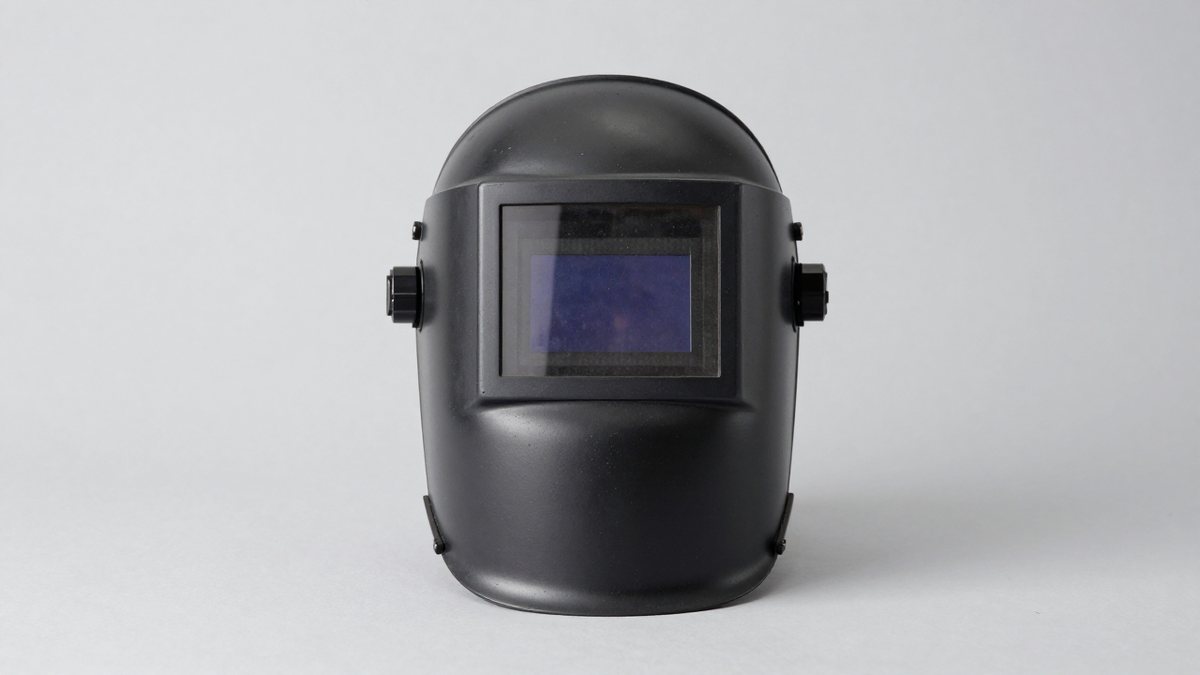
The best welding helmet welder mask depends on your process and how long you wear it: choose a fast-switching auto-darkening model with a large viewing area for frequent TIG or multi-process work, or a fixed-shade passive mask for simple, low-cost jobs. Among established options, the 3M Speedglas 9100, Miller Digital Elite, Lincoln Electric Viking 3350, ESAB Sentinel A50, Jackson Safety BH3, Optrel Crystal 2.0, Hobart Impact, and a basic Jackson Safety passive hood cover the main needs.
Quick comparison
Specifications vary by model version and market. Treat the figures below as a shortlist, then confirm the exact shade range, lens size, weight, and power source on the model you plan to buy.
As an Amazon Associate we earn from qualifying purchases at no extra cost to you.


| Helmet | Type | Viewing area (approx.) | Dark shade range (approx.) | Best suited to |
|---|---|---|---|---|
| 3M Speedglas 9100 | Auto-darkening | 2.8 × 4.2 in | 5–13 | Frequent welding and adjustable configurations |
| Miller Digital Elite | Auto-darkening | 3.8 × 2.6 in | 5–13 | Multi-process work and selectable modes |
| Lincoln Electric Viking 3350 | Auto-darkening | 3.7 × 3.3 in | 5–13 | Wide, tall view and regular shop use |
| ESAB Sentinel A50 | Auto-darkening | 3.9 × 2.4 in | 5–13 | Digital controls and a large horizontal view |
| Jackson Safety BH3 | Auto-darkening | 3.8 × 2.7 in | 5–13 | Comfort-focused professional use |
| Optrel Crystal 2.0 | Auto-darkening | 4.7 × 2.7 in | 4–12 | Bright view while positioning and welding |
| Hobart Impact | Auto-darkening | 3.9 × 2.4 in | 9–13 | Value-oriented home and shop work |
| Jackson Safety passive hood | Passive | About 2 × 4.25 in | Fixed shade, commonly 10 | Occasional, consistent-shade welding |
Auto-darkening switching speeds commonly fall around 1/10,000 to 1/25,000 second, depending on the lens and model. Faster figures are not the only measure of performance: sensor placement, sensitivity adjustment, and reliable detection at your welding current matter too.
Which helmet fits your welding routine?
For all-day or multi-process work: 3M Speedglas 9100
The 9100 family is a strong choice when you need dependable adjustability across different processes and positions. Its shade range accommodates common arc-welding tasks, while the larger lens option improves peripheral awareness. Check the exact configuration: lens size, grind mode, and external controls differ between versions. Multiple adjustments are helpful, but take time to set sensitivity and delay correctly for your work area.
For a broad view and frequent shop use: Lincoln Electric Viking 3350
The Viking 3350’s roughly 3.7-by-3.3-inch viewing area is a useful balance of width and height. That extra vertical view can help when following a joint without repeatedly moving your head. It is a sensible pick for regular MIG, stick, and TIG work, provided the helmet’s weight and headgear feel comfortable after a proper fit adjustment.
For digital controls: ESAB Sentinel A50
The Sentinel A50 suits welders who want accessible digital settings and a wide horizontal view. Its interface makes it easier to switch between saved or process-specific settings than on a basic dial-only helmet. Digital features add convenience, not protection by themselves: verify the shade setting for the process and follow the manufacturer’s instructions.
For a bright pre-weld view: Optrel Crystal 2.0
The Crystal 2.0 is designed to make the scene look brighter in its light state than many conventional auto-darkening filters. That can help with positioning and seeing the joint before striking an arc. Its dark range is approximately 4–12, so confirm that it covers your process and amperage needs; don’t assume a brighter light state means you can use an insufficient dark shade.
For selectable modes: Miller Digital Elite
The Digital Elite offers a large viewing area and mode options intended for different welding tasks, including grinding on applicable versions. It is a practical choice for a shared shop where users switch processes. As with any helmet, check that the headgear can be adjusted to keep the lens centered in your line of sight rather than relying on a broad lens to compensate for poor fit.
For comfort-led professional use: Jackson Safety BH3
The BH3 is worth considering when headgear fit is a priority during long sessions. A stable, balanced helmet can reduce the urge to keep readjusting it, especially when working overhead or in awkward positions. Compare the helmet’s total weight and replacement headgear availability with other finalists; comfort depends on head shape and adjustment, not just padding.
For a lower-cost auto-darkening option: Hobart Impact
The Impact is a straightforward choice for home shops and occasional fabrication. Its viewing area is generous for its class, though the dark-shade range is typically narrower than that of the models above. Check its published shade limits against your process, and budget for replacement outer cover lenses, which are wear items on every helmet.
For occasional, consistent work: Jackson Safety passive hood
A passive hood has a fixed shade and no switching electronics or batteries to manage. It can be a good inexpensive helmet for repetitive work at one known setting, or a backup for a shop. The trade-off is that you lift the hood to inspect or reposition the work, then lower it again. A flip-front passive model may make this easier, but the fixed shade remains less flexible than an auto-darkening lens.
Choose by process, experience, and budget
| Your situation | Practical choice | Why |
|---|---|---|
| Occasional stick welding, tight budget | Passive hood | Low purchase cost and no electronic lens to configure |
| Beginner doing varied shop projects | Hobart Impact or another reputable auto-darkening model | Convenient starts and stops; confirm the shade range first |
| Frequent TIG at low amperage | Model with suitable low-amp sensor performance and adjustable sensitivity | Sensor detection and settings are crucial when the arc is small |
| Long shifts or overhead work | Comfortable, balanced headgear; try before buying if possible | Fit and weight distribution affect wearability through the day |
| Multiple processes or users | Digital Elite, Sentinel A50, or Speedglas 9100 configuration | More adjustment options simplify switching tasks |
Price varies by configuration and region. Basic passive masks generally cost less than auto-darkening helmets; entry-level auto-darkening models are often in the tens to low hundreds of dollars, while feature-rich professional helmets can cost several hundred dollars. Compare replacement lens covers and headgear costs as well as the initial price.
Fit and upkeep: the details that matter over time
Before buying, check that the headgear adjusts at the crown and around the head, and that the helmet stays put when you nod. Adjust the pivot so the shell clears your chest when raised, but does not drop unexpectedly. If you wear safety glasses or a respirator, confirm they fit comfortably under the helmet. A large viewing window is useful only if the lens sits naturally in your sightline.
- Protect the lens: Replace scratched or spattered outer cover plates; grime can obstruct the view and interfere with sensors.
- Keep sensors clear: Wipe the lens area with a soft, clean cloth. Avoid solvents or abrasive cleaners unless the manufacturer approves them.
- Check power: Follow instructions for battery replacement or charging. Solar-assisted models may still use batteries; don’t assume they never need maintenance.
- Inspect headgear: Sweat, cracked adjustment parts, and worn straps are common reasons a helmet becomes uncomfortable or unstable. Replace worn components rather than compensating with an overly tight fit.
- Test before striking an arc: Use the manufacturer’s test function and confirm the selected shade, sensitivity, and delay for the job. A helmet is not a substitute for appropriate clothing, gloves, ventilation, or other welding safety precautions.
For most people doing varied work, a well-fitting auto-darkening helmet with an appropriate shade range is the most versatile choice. For infrequent welding at a consistent setting, a passive mask can save money and avoid electronic upkeep. Whichever style you choose, prioritize correct shade coverage, reliable lens operation, and headgear you can wear securely for the length of your work.