What's inside
As an Amazon Associate I earn from qualifying purchases. This post may contain affiliate links at no extra cost to you.
Our Top Picks

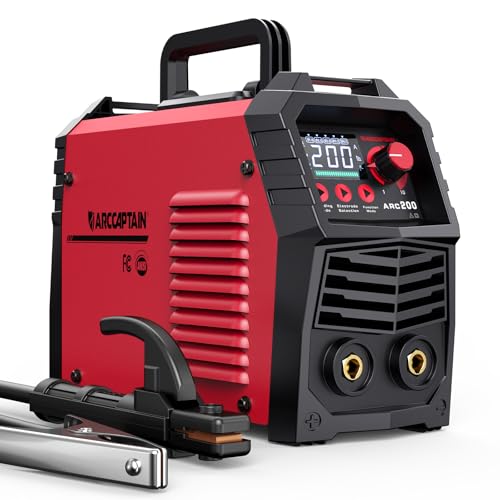
Thermal Arc Welders: The 5 Best Models Still Worth Buying
The best thermal arc welder for most repair and fabrication work is a used or remaining-stock Thermal Arc 161S: it is a compact 160-amp stick machine with a useful 120/230-volt input range, while the ESAB Rebel EMP 215ic is the more versatile choice if you also need TIG and MIG. Because Thermal Arc is now part of ESAB, buyers should check the exact model’s manual, local service options, and parts availability before purchasing—especially for older machines.
Five picks by the work you need to do
| Model | Process and output | Input | Weight | Best fit |
|---|---|---|---|---|
| Thermal Arc 161S | Stick; up to 160 A | 120/230 V | About 7.7 kg (17 lb) | Portable repairs and light fabrication |
| Thermal Arc 201TS | Stick and DC TIG; up to 200 A | 120/230 V | About 8.6 kg (19 lb) | One compact machine for stick and TIG |
| Thermal Arc 211i | Stick and DC TIG; up to 210 A | 120/230 V | About 9.5 kg (21 lb) | More output and control for a small shop |
| ESAB Rebel EMP 215ic | MIG, stick, and DC TIG; up to 240 A, process-dependent | 120/230 V | About 18 kg (40 lb) | Versatility without buying separate machines |
| ESAB Rebel EMP 235ic | MIG, stick, and DC TIG; up to 250 A, process-dependent | 120/230 V | About 22 kg (49 lb) | Frequent shop work and higher-capacity MIG |
Specifications can vary by market, revision, and included accessories. Confirm the nameplate and the manual for the exact unit; maximum amperage alone does not tell you how long it can weld continuously. Duty cycle is the percentage of a ten-minute period a machine can weld at a stated output before needing to cool. Compare duty-cycle figures at the amperage you’ll actually use, not just the headline maximum.
As an Amazon Associate we earn from qualifying purchases at no extra cost to you.

1. Thermal Arc 161S: best for portable stick welding
This is the straightforward pick for farm repairs, gates, brackets, and general work where portability matters more than process choice. Its 120-volt option can be useful for lighter work on a suitable circuit; 230 volts is the practical choice for using more of its output. It is stick-only, so it is not the right purchase if you need wire-feed MIG or TIG capability.
For a used 161S, check that the display and controls respond, the fan runs, and the output leads and connectors are undamaged. Ask whether the electrode holder, work clamp, and input cord are included. Those accessories are less costly than a machine fault, but missing parts change the real purchase price.
2. Thermal Arc 201TS: best compact stick/TIG combination
The 201TS adds DC TIG to stick welding in a compact package. It suits a shop that occasionally welds thinner steel or stainless with TIG but still needs stick for outdoor or repair work. DC TIG does not provide the AC output needed for conventional TIG welding of aluminum.
Check whether the seller includes a TIG torch, gas regulator, and the right connectors; a bare power source may need a meaningful accessory budget. Also verify the exact duty-cycle rating in the manual. A compact 200-amp label does not mean it can sustain that output without cooling breaks.
3. Thermal Arc 211i: best for more output in a small workshop
The 211i is worth considering when you want stick and DC TIG but expect to work closer to the upper end of a 120/230-volt machine’s range. It offers more headroom than the smaller options, which can make a difference on thicker stock or longer welds. Its advantage depends on having a suitable 230-volt supply; on 120 volts, output is limited.
Before buying, inspect the front panel, fan openings, and cables for impact damage, metal dust, or signs of overheating. A clean exterior is not proof of good internal condition, but blocked vents and damaged insulation are clear reasons to pause and ask for a qualified inspection.
4. ESAB Rebel EMP 215ic: best all-rounder for mixed processes
The EMP 215ic is a stronger choice than a dedicated stick machine if your work switches among MIG, stick, and DC TIG. It can reduce the need to own three separate power sources, though each process still needs its own consumables and setup. MIG requires suitable wire, drive rolls, and shielding gas for the chosen wire; TIG requires a torch and gas equipment.
It is a practical fit for a home or small fabrication shop that uses several processes but does not need industrial production duty. Check the wire feeder, drive rolls, torch connection, and gun liner carefully on a used unit: feeder wear or missing MIG accessories can turn an apparently good deal into a repair project.
5. ESAB Rebel EMP 235ic: best for more frequent MIG work
Choose the EMP 235ic over the 215ic when higher-capacity MIG work and a more shop-oriented setup justify the added size and cost. It retains multi-process flexibility, but it is less appealing if you mainly need a lightweight stick welder. Confirm output and duty-cycle figures for the specific process and input voltage before matching it to a production schedule.
For regular use, look beyond the power source: check torch condition, feeder operation, contact-tip size availability, and whether replacement liners and drive rolls can be sourced locally. These wear items are usually easier to replace than an obsolete control board, but availability varies by region and model age.
Choose by situation, not by maximum amps
| Your situation | Best starting point | Why |
|---|---|---|
| Occasional outdoor repairs; tight budget | Thermal Arc 161S, if inspected and complete | Simple stick setup and low carrying weight |
| Small workspace; want to learn TIG | Thermal Arc 201TS | Adds DC TIG without a second power source |
| Mostly 230 V access; heavier stick work | Thermal Arc 211i | More output headroom in a portable format |
| Several processes, moderate frequency | ESAB Rebel EMP 215ic | MIG, stick, and DC TIG in one machine |
| Frequent MIG work; room for a larger unit | ESAB Rebel EMP 235ic | Higher-capacity multi-process option |
If buying new, remaining stock, regional availability, and current ESAB product listings may differ. If buying used, compare the asking price with the cost of any missing torch, leads, regulator, or feeder parts. A low-cost power source that needs a hard-to-find electronic component can be a worse value than a pricier, complete machine with accessible service support.
Ownership and parts: what to check before you commit
Thermal Arc is a legacy brand within ESAB’s welding portfolio. That relationship can help with documentation and support, but it does not guarantee that every legacy component is still stocked everywhere. Before paying, give an ESAB distributor or welding-equipment service shop the exact model and serial information and ask about parts, authorized repair, and the nearest service option. Confirm availability for model-specific circuit boards or controls as well as ordinary consumables.
- Match the supply: Check the machine’s nameplate, plug, breaker, and circuit capacity. Do not assume a 120-volt outlet can deliver the machine’s maximum rated output.
- Inspect what wears: Look for damaged leads, loose connectors, worn TIG torch parts, MIG contact tips, liners, drive rolls, and a rough-running wire feeder.
- Keep it clean: Follow the manual’s ventilation and cleaning guidance. Dust-clogged vents can contribute to overheating; never open or service energized equipment.
- Budget for the complete setup: Add the correct electrode holder or torch, work clamp, gas regulator and cylinder where needed, wire, and safety equipment—not just the welder.
- Verify support before buying old stock: Ask about parts and service for the exact revision. A model name alone may not identify the components fitted to a particular machine.
For a simple, portable stick setup, the 161S remains the sensible Thermal Arc choice. For a dedicated thermal arc TIG welder, the 201TS or 211i makes more sense, provided DC TIG meets your material needs. For mixed-process work, the ESAB Rebels offer a more adaptable route; choose the 215ic for a compact all-round shop machine and the 235ic when heavier or more frequent MIG work is part of the plan.