What's inside
As an Amazon Associate I earn from qualifying purchases. This post may contain affiliate links at no extra cost to you.
Our Top Picks
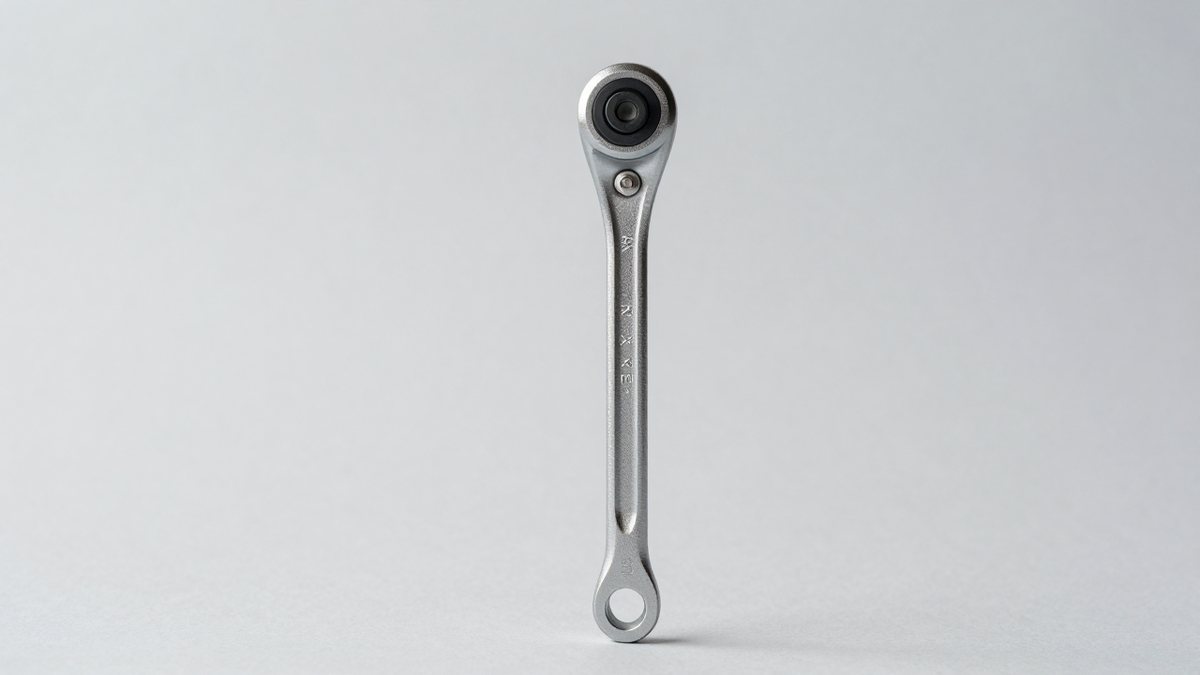
 LEXIVON Bike Torque Wrench 1/4-Inch Dr. 15-Piece Kit1/4"DR. 1.48-19.18 FT-LB Kit4.69 x 10.35 x 2.28 inches1.3 poundsCheck on Amazon


Best Torque Wrench Sets: Choose by Drive Size, Range, and Job
The best torque wrench set for most home workshops is a 3/8-inch click wrench with a useful midrange capacity, a stated accuracy of ±4% or better, and a case that keeps the wrench and accessories organized. Choose a 1/4-inch set for small fasteners, a 1/2-inch set for high-torque automotive work, or a multi-drive kit if your jobs span all three.
Torque wrenches are not interchangeable just because their drive sockets fit. A wrench is most reliable when the fastener’s target torque falls comfortably inside its working range—not at the very bottom or beyond its maximum. Check the fastener or equipment maker’s torque specification first; do not substitute a general rule of thumb.
As an Amazon Associate we earn from qualifying purchases at no extra cost to you.


Compare the main torque wrench set types
The figures below are practical selection ranges, not specifications for every product. Individual models vary, so confirm the manufacturer’s stated capacity, accuracy, and included accessories before buying.
| Set type | Typical capacity | Best suited to | What to check |
|---|---|---|---|
| 1/4-inch click set | About 20–200 in-lb (2.3–22.6 N·m) | Small machinery, controls, and light bicycle fasteners | Low-end accuracy, fine scale, and small sockets or bits |
| 3/8-inch click set | About 10–100 ft-lb (13.6–135.6 N·m) | General automotive, equipment, and workshop assembly | Whether your target torque sits within the middle of the range |
| 1/2-inch click set | About 30–250 ft-lb (40.7–339 N·m) | Higher-torque automotive and larger mechanical fasteners | Handle length, clearance, and the required socket size |
| Digital torque wrench | Varies by drive and model | Users who want a clear numeric display, alerts, or multiple units | Battery requirements, calibration, and whether the display measures torque or angle |
| Electric or battery-powered torque tool | Varies widely by tool | Repeated fastening where speed and consistent process matter | Torque-control method, reaction force, calibration service, and battery platform |
Which drive size makes sense?
Choose 1/4 inch for small, low-torque fasteners
The best 1/4-inch torque wrench set is one whose range starts low enough for the fasteners you actually need to tighten. It is a good match for delicate assemblies and some bicycle components, but a broad assortment of sockets does not make it appropriate for high-torque jobs. For carbon-fiber bicycle parts, follow the component maker’s torque limit and use a wrench with a readable scale near that setting.
Choose 3/8 inch for the broadest workshop coverage
For many buyers, the best 3/8-inch torque wrench set is the most versatile single-wrench option. Its capacity often covers common medium-torque work without the bulk of a 1/2-inch wrench. Compare the range against your actual jobs: if a required value sits near the tool’s minimum, a lower-range 1/4-inch wrench may be a better fit; if it exceeds the maximum, step up to 1/2 inch.
Choose 1/2 inch for higher-torque work
The best 1/2-inch torque wrench is not automatically the one with the highest capacity. Make sure it reaches the specified torque while still fitting the work area, and consider whether the longer handle can swing freely. A 1/2-inch drive suits many larger automotive fasteners, but it is usually too coarse for small, delicate hardware.
Choose a dedicated bicycle set for portability and low ranges
The best bike torque wrench set is usually compact, includes the hex bits used by the bike, and offers a low enough range for the components being serviced. A 1/4-inch preset or adjustable wrench can be convenient, while a click-style model offers more flexibility across different specifications. Check whether bits are included and whether the case fits your repair kit. Do not assume a general automotive wrench can accurately cover every low-torque bicycle fastener.
Click, digital, or powered?
A click wrench is a practical choice for occasional and regular workshop use. Set the value on its scale, apply force steadily, and stop at the click. It needs no batteries, but the scale can be harder to read precisely than a digital display. Check for a positive lock that prevents the setting from drifting during use.
Digital models display a numerical reading and may provide audible or visual alerts. They can make unit conversion and repeatable settings easier, but batteries, electronics, and manufacturer-specific calibration procedures add ownership considerations. Confirm whether the stated accuracy applies across the full range and whether the tool has a calibration certificate or a recommended service interval.
An electric torque wrench can speed up repeated fastening, but “electric” does not by itself mean controlled or verified torque. Some tools are designed mainly to run fasteners down; others have a torque-control system. The best electric torque wrench for a particular job must have a suitable torque range and a specified accuracy for that use. A best battery powered torque wrench should also match a battery platform you can support and have a clear calibration or service path. For critical joints, use a tool specifically intended for torque control and follow its instructions rather than relying on an impact driver’s setting.
Accuracy, adjustment, and kit contents
Look for a stated accuracy such as ±4%, commonly specified for clockwise operation on many click wrenches. A tighter figure can be valuable, but only if it applies at the torque values you need and the tool is maintained. A calibration certificate records a check at a point in time; it does not guarantee the wrench remains in specification indefinitely.
- Adjustment: A clear scale, secure lock, and easy-to-turn handle make settings less prone to error. For frequent changes, consider how quickly the scale can be read and reset.
- Calibration: Check the maker’s calibration guidance, service availability, and whether calibration is recommended after a drop, overload, or suspected inaccuracy.
- Accessories: A case protects the tool; sockets, bits, extension bars, or adapters are useful only if their sizes match your work. Verify that included sockets are impact-rated if you intend to use them with an impact tool—never assume torque-wrench accessories are.
- Units: Make sure the scale uses units you can read confidently. Avoid mental conversions during a fastening job; use a reliable conversion reference if needed.
Match the set to your work pattern
| Your situation | Good starting choice | Why |
|---|---|---|
| Occasional household or workshop repairs | 3/8-inch click set | Useful middle range without paying for features you may rarely use |
| Small fasteners or bicycle maintenance | 1/4-inch set with suitable bits | Better suited to lower torque and compact work |
| Regular higher-torque automotive work | 1/2-inch set; add 3/8 inch if needed | More capacity, while a second wrench avoids using the large tool near its low end |
| Many repeated fastenings | Digital or torque-controlled powered tool | Can improve speed and readability if its accuracy and service support meet the job’s needs |
Use and care: small habits that protect accuracy
Before tightening, confirm the specified torque and select a wrench whose range includes it. Seat the socket fully, keep the wrench aligned with the fastener, and pull smoothly from the handle’s marked grip area. Avoid using a torque wrench to loosen fasteners or adding a pipe to the handle; both can overload the mechanism. Extensions that change the effective lever length can also affect the applied torque, so follow the wrench maker’s instructions for adapters.
After use, return an adjustable click wrench to its lowest marked setting—not below it—unless its manufacturer specifies otherwise. This reduces prolonged spring loading. Wipe it clean, store it in its case, and keep it away from moisture and impacts. If it is dropped, overloaded, or gives inconsistent results, stop relying on it until it has been checked or calibrated. A worn ratchet mechanism, damaged scale, or loose adjustment lock can undermine a good accuracy specification.
For most general-purpose buyers, start with a 3/8-inch click set that places your common torque values comfortably within its range. Add a 1/4-inch wrench for low-torque work or a 1/2-inch wrench for higher-torque fasteners rather than forcing one tool to cover every job.