What's inside
- Best Prescription Blue Light Blocking Glasses for Clear, Comfortable Screen Use
- Best choices by screen-use situation
- Compare lens tint and fit before you buy
- Prescription accuracy: details that matter more than the label
- Frame comfort for a full workday
- How to choose without overpaying
- Ownership: coatings, cleaning, and what wears first
- Bottom line
As an Amazon Associate I earn from qualifying purchases. This post may contain affiliate links at no extra cost to you.
Our Top Picks


Best Prescription Blue Light Blocking Glasses for Clear, Comfortable Screen Use
The best prescription blue light blocking glasses for all-day screen use are usually clear or very lightly tinted lenses with an accurately verified prescription, an anti-reflective coating, and a frame that fits without pressure. Choose a darker amber tint only if reducing blue-violet light matters more to you than keeping colors true.
Best choices by screen-use situation
- For mixed screen and in-person work: Choose clear lenses or a barely perceptible tint, plus anti-reflective coating. This keeps whites and colors closer to their usual appearance.
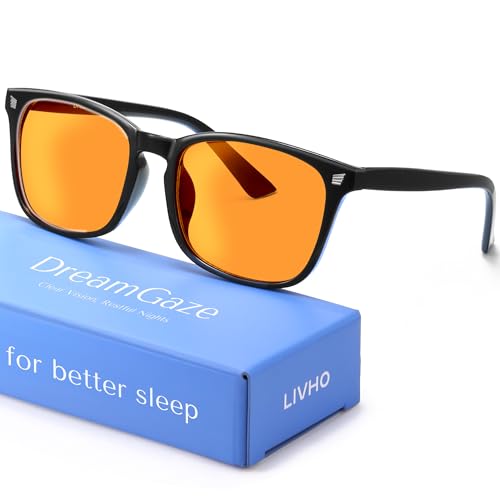
- For long sessions where color accuracy is not important: A light amber lens can provide a more noticeable color shift and may suit your preference, but check how it changes whites and skin tones before committing.
- For design, photo, video, or woodworking plans: Favor clear lenses. Even a modest tint can make color matching and visual inspection less reliable.
- For an existing prescription you wear all day: Prioritize prescription accuracy, lens thickness, and frame fit over the blue-light label. A poor fit or incorrect prescription can make glasses unpleasant regardless of tint.
- For occasional screen use on a budget: Ask an optician whether a suitable coating can be added to your regular prescription lenses. A separate pair is not always necessary.
Compare lens tint and fit before you buy
“Blue-light blocking” is not one uniform lens specification. Products differ in which wavelengths they filter and how much visible light they transmit. A darker lens may block more light in parts of the blue-violet range, but it also changes the appearance of the screen and room. Ask for the maker’s measured transmission data rather than relying on a broad percentage claim without a stated wavelength range or test method.
As an Amazon Associate we earn from qualifying purchases at no extra cost to you.



| Lens option | Typical appearance | Color impact | Best fit for |
|---|---|---|---|
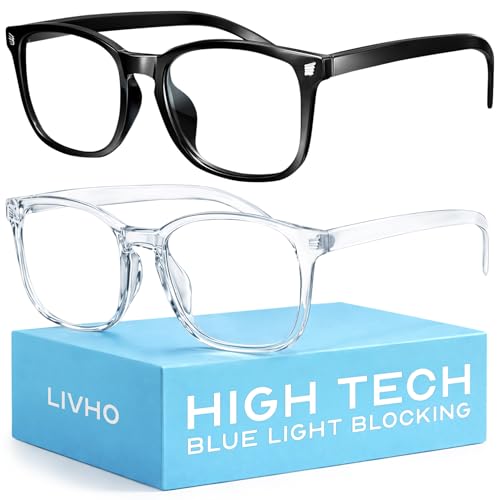
| Clear, blue-filtering lens | Nearly clear; reflections may look blue or purple | Low, though coatings can create reflections | All-day, mixed-task wear |
| Very light tint | Subtle warm cast | Low to moderate; whites may look warmer | Screen work when exact color matching is not essential |
| Light amber tint | Noticeably warm | Moderate; colors and screen whites shift | Users who prefer a visible tint and can tolerate the shift |
| Dark amber or orange tint | Strongly colored | High; unsuitable for reliable color judgment | Limited, non-color-critical use rather than general-purpose wear |
These are practical visual categories, not standardized filtration levels. Tint and transmission vary by lens. If you need accurate color for work, view a neutral gray or white screen and familiar color references through the lenses before ordering, if the seller or optician allows it.
Prescription accuracy: details that matter more than the label
Use a current prescription and confirm how the provider handles pupillary distance (PD), lens height, and frame measurements. PD is the distance between the centers of your pupils; some prescriptions list one combined number, while others give separate measurements for each eye. For progressive lenses, segment height and fitting measurements are also important. A prescription alone may not include every measurement needed to make lenses correctly for a particular frame.
Check the order summary against your prescription before checkout: sphere, cylinder, axis, and addition (if applicable) should match exactly. Confirm whether the lens is single-vision, bifocal, or progressive, and whether the frame can accommodate your prescription. Stronger prescriptions can need smaller frames or higher-index lens materials to limit edge thickness, but the appropriate choice depends on the prescription and frame dimensions. An optician can advise on compatibility.
Do not assume that a blue-filter coating corrects a prescription problem or guarantees less eye strain. Screen discomfort can have several causes, including an outdated prescription, glare, dry indoor air, or long uninterrupted viewing. If discomfort persists, or vision seems distorted after an adjustment period, contact an eye-care professional rather than trying to solve it by choosing a darker tint.
Frame comfort for a full workday
Comfort is a fit issue, not just a frame-material issue. Look for a frame that sits level, does not slide when you look down, and leaves enough room at the temples without squeezing. The bridge should rest securely without pinching. If the frame presses behind your ears or leaves deep marks after a short wear, a different size or an adjustment may help.
| Fit detail to check | Useful starting point | Why it matters |
|---|---|---|
| Lens width | About 48–55 mm for many adult frames | Influences field of view and how well the frame suits your face and prescription |
| Bridge width | About 16–20 mm on many adult frames | Affects stability and pressure across the nose |
| Temple length | About 135–145 mm on many adult frames | Helps the arms reach comfortably behind the ears |
| Frame material | Acetate or metal are common options | Acetate can feel substantial; metal is often slimmer and adjustable, depending on construction |
These dimensions are common ranges, not a guarantee of fit. Compare them with a pair you already wear comfortably; frame measurements are often printed inside the temple, such as “52 □ 18–140.” That example means a 52 mm lens width, 18 mm bridge, and 140 mm temple. Also check the total frame width, since two frames with matching lens measurements can still sit differently.
How to choose without overpaying
- Decide how important color accuracy is. If you edit images, inspect finishes, or switch between screens and physical objects, begin with clear lenses.
- Confirm your prescription and measurements. Ask the seller whether your prescription works with the chosen frame and whether they need a verified PD or fitting height.
- Compare coatings and lens specifications. Anti-reflective coating can reduce reflections from room lights and screens. Check what the blue-filter claim measures and whether the lens has a visible tint.
- Match the frame to your existing fit. Use your current glasses’ measurements as a starting point, then check return, adjustment, and remake policies.
- Set a realistic budget. General market prices range from roughly $50–$150 for many online prescription pairs to $150–$400 or more through optical retailers, depending on lens type, coatings, frame, and prescription. Progressive or high-prescription lenses may cost more.
A useful cost check: if a second pair costs $120 and you wear it on 200 workdays each year for two years, that is about 30 cents per day of use ($120 ÷ 400 days). This is only a comparison aid; comfort, prescription service, and the ability to get adjustments or remakes may matter more than the lowest upfront price.
Ownership: coatings, cleaning, and what wears first
Coatings usually need more careful handling than a bare lens surface. Rinse lenses before wiping to remove grit, then use a clean microfiber cloth and lens-safe cleaner. Avoid paper towels, household glass cleaner, and wiping dry dusty lenses; these can scratch lenses or damage coatings. Keep glasses in a case when they are not in use, and avoid leaving them in a hot car, where heat can affect lenses, coatings, or frame shape.
Over time, nose pads may loosen or become uncomfortable, screws can back out, and frame alignment can shift. Coatings can also scratch or deteriorate, especially with rough cleaning or heat exposure. Ask whether small adjustments and replacement parts are available before buying. A warranty may cover manufacturing defects but not accidental scratches, so read its terms rather than assuming every coating issue is covered.
Bottom line
For most people who need prescription glasses for a full day of screen work, start with clear or minimally tinted lenses, an anti-reflective coating, and a frame that matches a comfortable pair you already own. Choose a stronger tint only when you accept the warmer color cast and have a specific preference for it. Accurate prescription details, suitable lens measurements, and a workable adjustment or return policy are better decision criteria than an unqualified “blocks more blue light” claim.