What's inside
As an Amazon Associate I earn from qualifying purchases. This post may contain affiliate links at no extra cost to you.
Our Top Picks



Best Sherry Glasses for Fortified Wine
The best sherry glasses for fortified wine are small, tulip-shaped glasses holding roughly 150–220 ml (5–7.5 oz), with a narrow-to-medium rim that concentrates aroma without making small pours feel cramped. For most drinkers, a 180 ml copita-style glass is the most versatile choice; fuller, older fortified wines benefit from a slightly wider 220–300 ml tulip, while sweet dessert wines are easier to serve in a smaller 120–180 ml glass.
What to Look for Before Buying
Tulip shape: the most important feature
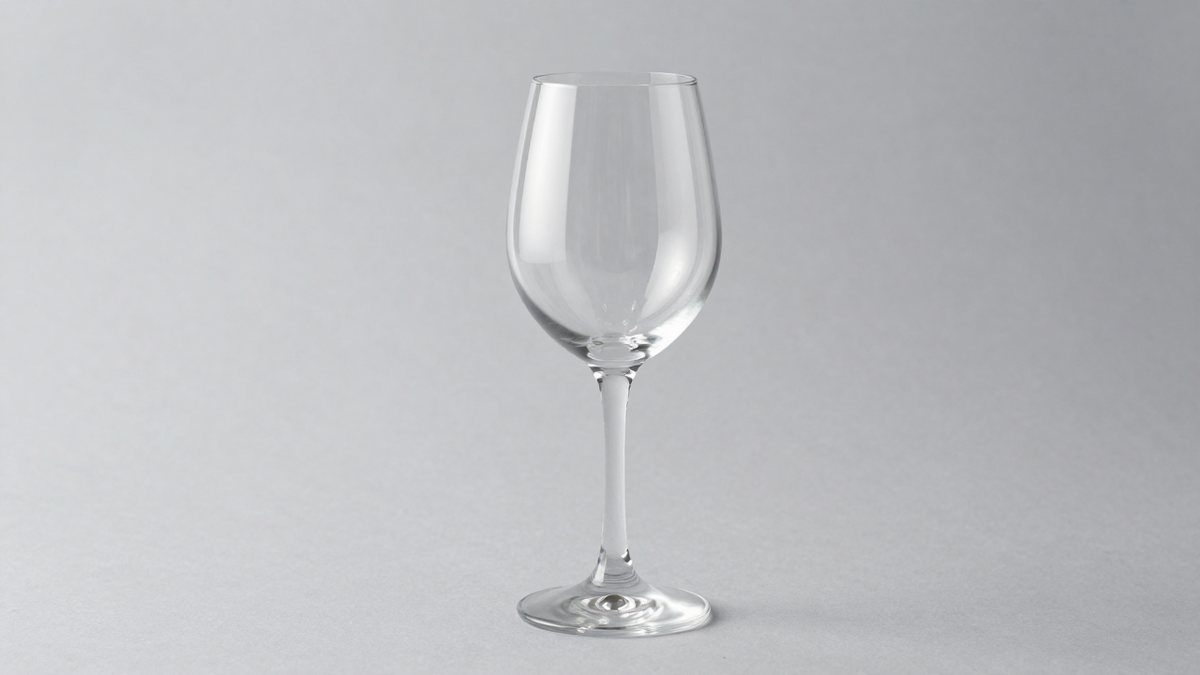
A bowl that is wider at the base and narrows toward the rim gives fortified wine room to release aroma while directing those aromas toward your nose. This matters because alcohol can otherwise dominate the nose, particularly in young port, vermouth, and higher-strength sherry.
As an Amazon Associate we earn from qualifying purchases at no extra cost to you.




The ideal outline is not extremely narrow like a flute and not wide like a large red-wine bowl. A moderately rounded bowl, narrowing by the top third, provides enough surface area for gentle swirling while keeping the aromatic concentration high.
- Very narrow bowl: concentrates aroma but can make a 60–90 ml pour difficult to swirl.
- Moderate tulip: the best all-purpose shape for fino, amontillado, oloroso, port, and Madeira.
- Wide tulip: useful for vintage port, old Madeira, and aged oloroso, where layered aromas need more air.
- Open bowl: easy to smell and sip from, but it allows alcohol to escape quickly and is less precise for delicate wines.
Rim size changes both aroma and drinking speed
A small rim concentrates volatile aromas and encourages smaller sips. A broad rim delivers a wider stream of wine across the palate, which can make sweet or strongly flavoured fortified wines seem more generous but less focused.
For a versatile glass, look for an opening about 45–55 mm across. Around 40–45 mm suits delicate fino and manzanilla. A 55–65 mm rim works well for aged port or Madeira when you want to explore more complex aromas. Oversized rims are rarely useful for fortified wine: they encourage large pours and let the alcohol appear more prominent.
Capacity is not the same as serving size
Fortified wine is usually served in smaller quantities than table wine. A glass does not need to be filled to its stated capacity. A 180 ml glass may be designed for a 60–90 ml pour, leaving space for swirling and aroma collection.
Choose capacity according to the wines and occasions you expect:
- 120–160 ml: compact, efficient, and suitable for fino, manzanilla, sweet sherry, and tasting flights.
- 170–220 ml: the best general-purpose range for most sherry, port, Madeira, and vermouth.
- 230–300 ml: better for older, aromatic wines that benefit from swirling, but less convenient for small cabinets and formal tasting.
Glass thickness affects temperature and feel
Thin crystal or thin soda-lime glass gives a cleaner rim and transfers less heat from your hand. It also makes the wine feel more precise on the palate. The disadvantage is vulnerability: thin stems and rims chip more readily, especially in crowded dishwashers.
Thicker glass is more forgiving for everyday use, outdoor serving, and shared households. However, a heavy rim can blunt the drinking experience, and a thick bowl warms more quickly if held in the hand. A sensible compromise is a thin-to-medium rim with a moderately sturdy stem and foot.
Best Choices by Situation
| Situation | Recommended specification | Why it fits | Typical market range |
|---|---|---|---|
| One glass for most fortified wines | 170–220 ml; 45–55 mm rim; moderate tulip | Balances aroma concentration, swirling room, and storage | $8–$25 per glass |
| Delicate fino or manzanilla | 120–170 ml; 40–48 mm rim; narrow tulip | Preserves freshness and limits rapid warming | $6–$20 per glass |
| Vintage or tawny port | 200–280 ml; 50–65 mm rim; rounded bowl | Allows layered fruit and spice aromas to open | $10–$35 per glass |
| Old Madeira or oloroso | 200–300 ml; thin rim; medium-wide tulip | Provides space for controlled swirling and nosing | $12–$45 per glass |
| Frequent everyday use | 160–220 ml; reinforced or medium-thickness glass; dishwasher-safe | Prioritizes durability and easy replacement | $5–$15 per glass |
| Small cabinet or tasting flights | 120–160 ml; stackable or compact foot; 40–50 mm rim | Uses less storage space and keeps pours controlled | $5–$18 per glass |
Head-to-Head: Copita, Port Glass, and Universal Wine Glass
Copita-style sherry glass
A copita has a small bowl, narrow opening, stem, and foot. It is usually the best choice for fino, manzanilla, amontillado, and Pedro Ximénez because it controls the pour and concentrates aromas. Its limitation is capacity: a very small copita can feel restrictive with vintage port or an especially aromatic Madeira.
Port glass
A traditional port glass is generally larger and more rounded than a small copita, but still narrows at the rim. It is a strong choice when your collection includes both sherry and port. Choose one around 200–250 ml rather than an oversized red-wine glass, which can make a modest port serving look and feel undersized.
Universal wine glass
A universal wine glass can work if it has a tulip profile and a bowl below roughly 400 ml. It is useful when you do not want separate glassware for table and fortified wines. Avoid very large, broad universal glasses: they often spread a 60 ml serving too thinly and expose more alcohol to the air.
Named Glassware Lines Worth Considering
Established lines such as the Riedel Vinum Sherry glass are designed specifically around small fortified-wine servings. The Riedel Vinum Port glass is a larger alternative when port is the priority. For a more general-purpose option, a tulip-shaped glass from Schott Zwiesel, Spiegelau, or Zwiesel Glas can work well if its capacity and rim dimensions fall within the ranges above.
Premium thin-stem options, including selected universal and white-wine glasses from Zalto, can provide an exceptionally light rim and sensitive aroma delivery. They require more careful handling and are not automatically better for a busy household. The shape and capacity matter more than a luxury label.
How Much Wine Fits Comfortably?
Use the bowl’s capacity as a guide, not a target fill line. For a 180 ml glass, a 60 ml pour occupies one-third of the nominal capacity, leaving approximately 120 ml of air space. That headspace is useful: it permits two or three gentle swirls without splashing and gives aromas somewhere to collect.
As a practical rule, keep a fortified-wine pour between 25% and 40% of the glass’s stated capacity. A 150 ml copita therefore suits a 40–60 ml serving, while a 250 ml port glass suits approximately 60–90 ml. Larger pours can warm before they are finished, especially with sweet wines served at cellar temperature.
Durability, Cleaning, and Ownership Realities
The rim and stem usually fail before the bowl. Thin rims chip when glasses touch in a rack, while stems snap when a glass is twisted during washing. A dishwasher-safe label does not eliminate risk; use the upper rack where recommended, leave space between glasses, and avoid high-temperature drying when the manufacturer advises against it.
- Rinse soon after serving sweet sherry or port; dried sugar leaves a sticky film.
- Use warm water and a small amount of unscented detergent rather than abrasive powder.
- Hold the bowl when drying the outside and avoid twisting the stem against a cloth.
- Do not pour boiling water into a cold glass or cold water into a hot one.
- Store delicate glasses upright or in a separated rack where rims cannot knock together.
For frequent use, medium-thickness machine-made glass is often the better ownership decision. For occasional tasting, a thinner hand-finished glass can reveal more aroma and feel more elegant, provided you are comfortable replacing an occasional chipped piece.
Bottom Line
For most buyers, choose a 170–220 ml tulip-shaped glass with a 45–55 mm rim, a reasonably thin lip, and enough stem strength for regular handling. Pick a smaller 120–160 ml copita when fino and manzanilla dominate, or move up to a 200–300 ml rounded tulip for vintage port, old Madeira, and oloroso. Capacity, rim proportion, and durability should guide the purchase more than the glass’s branding or decorative appearance.