What's inside
As an Amazon Associate I earn from qualifying purchases. This post may contain affiliate links at no extra cost to you.
A reciprocating saw and an oscillating multi-tool can both trim material in place, but they suit different kinds of flush cuts. The reciprocating saw is faster when you need to remove a lot of material. The oscillating tool is easier to control when the cut must stop close to a wall, floor, or finished surface.
For a single door-jamb undercut or a small pipe trim, the oscillating tool is usually the better choice. For cutting back a long run of framing, demolition debris, or a thick board, the reciprocating saw saves time—provided you can manage its blade and keep it from wandering.
As an Amazon Associate we earn from qualifying purchases at no extra cost to you.


Our Top Picks



What “flush cut” means
A flush cut trims material level with a nearby surface. Common examples include cutting a door casing or jamb to fit flooring underneath, removing a protruding nail or screw, trimming a dowel, or cutting a pipe close to a wall. The challenge is not just getting through the material: it is keeping the blade flat against the surface without gouging it.
Before choosing a tool, check what is behind the cut. A hidden wire or pipe can turn either tool into a hazard. Use a suitable detector where appropriate, and don’t assume a wall cavity or floor edge is clear just because the visible surface looks simple.
At a glance
| Factor | Reciprocating saw | Oscillating multi-tool |
|---|---|---|
| Best for | Fast, rough cuts and bulky material | Short, controlled cuts near finished surfaces |
| Flush-cut control | Fair to poor without careful setup | Good with a suitable flush-cut blade |
| Typical blade motion | Long back-and-forth stroke | Short side-to-side oscillation |
| Speed on thick stock | Usually faster | Slower; can overheat or bog down |
| Risk to adjacent surface | Higher if the blade flexes or kicks | Lower, though the blade can still scratch or cut the surface |
| Useful blade types | Wood, metal, or demolition blades | Flush-cut wood blades, metal blades, and specialty blades |
Why the oscillating tool usually wins close to a surface
An oscillating tool moves its blade through a small arc rather than pushing it through a long stroke. That makes it easier to start a cut precisely and keep the blade under control in a tight space. A flush-cut blade can lie flat against the flooring or other reference surface while trimming a jamb or casing.
For a typical undercut, place a scrap piece of the new flooring—plus any underlayment—on the floor beside the jamb. Rest the blade flat on top of that sample and cut through the wood. This gives the new floor clearance without asking you to estimate the height by eye. Work slowly, especially near corners, and stop before the blade reaches a hidden fastener or masonry.
The trade-off is speed. An oscillating tool is not a good way to rip through a long, thick piece of timber. A broad blade can bind in a deep cut, and prolonged pressure can heat the blade and tool. Let the blade do the work; forcing it tends to worsen control and wear out accessories faster. For dedicated trim work, browse oscillating multi-tool flush-cut blades that match your tool’s attachment system and the material you’re cutting.
When a reciprocating saw makes more sense
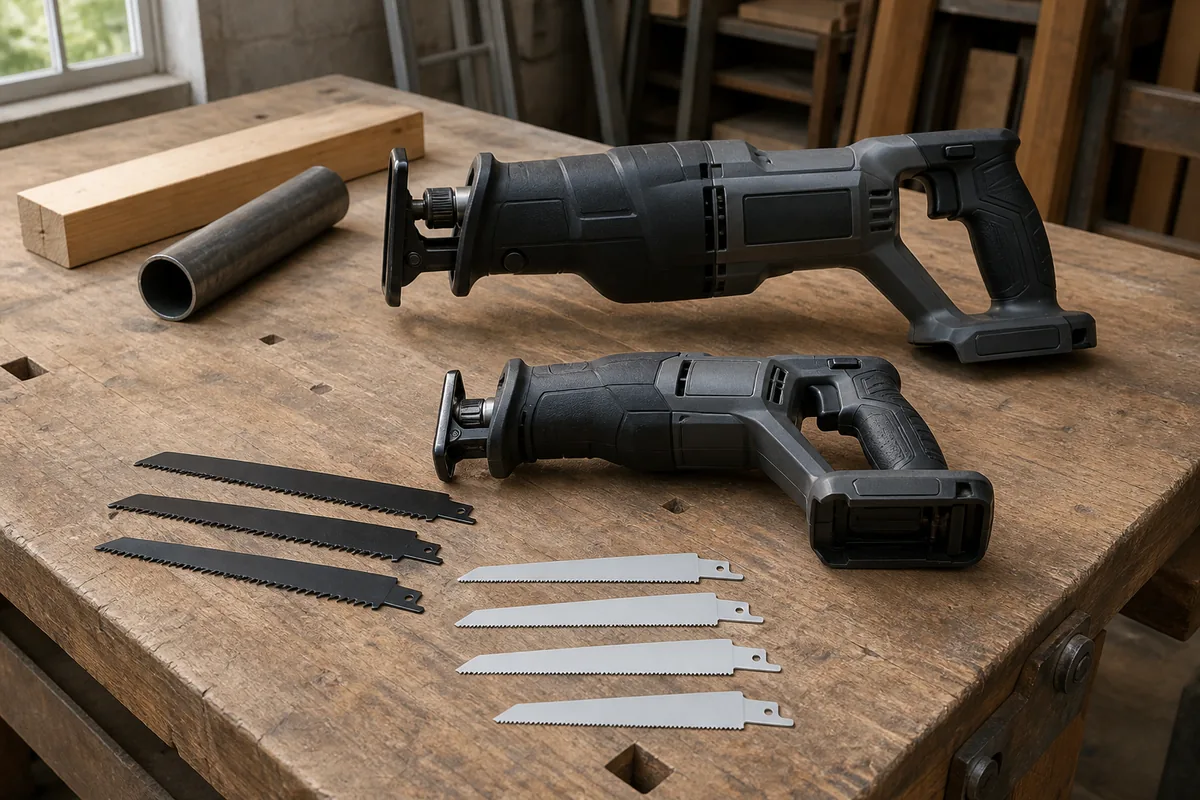
A reciprocating saw is built to cut aggressively. Its longer stroke and larger blade are helpful when you need to remove a board, cut through several layers, or reach into a demolition opening. It can also cut a protruding nail or bolt close to a surface with a short, suitable metal-cutting blade.
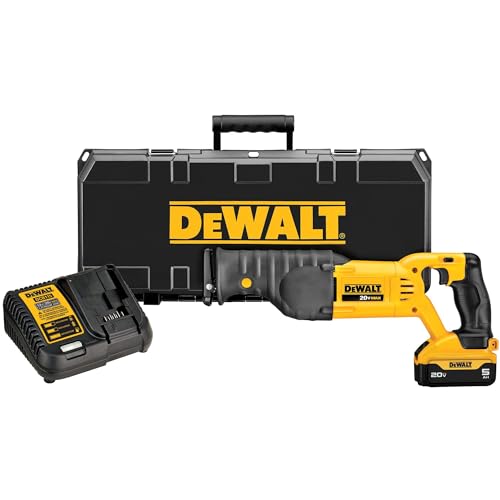
But flush cuts are not its strong point. A long blade can bend under pressure, wander away from the intended line, or strike the wall or floor behind the work. The saw’s vibration can also loosen material before the cut is complete. A shorter blade can improve control, but it still needs room to move and a steady hand. If you already own one, it may be fine for a rough cut where a few millimetres of overhang will be hidden or cleaned up later. For general demolition and rough cutting, compare reciprocating saw wood and metal blades rather than trying to make one blade suit every material.
Choose by job, not by tool label
For trimming a door jamb to fit flooring, choose an oscillating tool. The flooring sample acts as a guide, and the blade can cut close to the floor with less chance of an uncontrolled plunge. For a long cut through exposed framing or a board that will be discarded, a reciprocating saw is generally quicker.
For a nail or screw sticking out of a surface, either tool can work with the right metal-cutting blade. The oscillating tool is easier to position in a confined area; the reciprocating saw is faster if several fasteners need cutting and there is room for the blade. Avoid using a wood blade on metal: it may dull quickly, snag, or produce a rough cut.
For a pipe close to a wall, identify the pipe material and what lies behind it before cutting. Use a blade intended for that material and avoid cutting blindly into a wall cavity. If the cut must be perfectly level with a finished surface, protect that surface and use the oscillating tool with deliberate, light passes.
How to get a cleaner, safer cut
Match the blade to the material and keep it sharp. Clamp loose work where possible, wear eye protection, and hold the tool with two hands if its design calls for it. Start at a low speed or with gentle pressure, then increase only once the blade is tracking correctly. Keep your free hand away from the blade path, and unplug or remove the battery before changing accessories.
With a reciprocating saw, use the shoe against the work when the shape allows; it helps steady the saw and limits blade movement. With an oscillating tool, don’t twist the blade sideways in a narrow kerf. That can bind it, damage the accessory, or pull the tool off line. Make a test cut in scrap when the fit matters.
Which should you buy?
If flush cuts are the priority, buy an oscillating multi-tool or use one you already have. It offers better control for short cuts next to floors, walls, trim, and other finished surfaces. If your work is mostly demolition and fast cuts through larger material, a reciprocating saw is the more useful primary tool, and it can handle rough flush cuts when precision is not critical.
You don’t need both for one occasional jamb undercut. Borrow or rent an oscillating tool, or pay a tradesperson if the cut involves uncertain wiring, plumbing, or expensive finished material. The cheaper option is fine when the cut will be hidden and the blade has room to move; when a slip could damage the finished surface, control is worth more than speed.