What's inside
As an Amazon Associate I earn from qualifying purchases. This post may contain affiliate links at no extra cost to you.
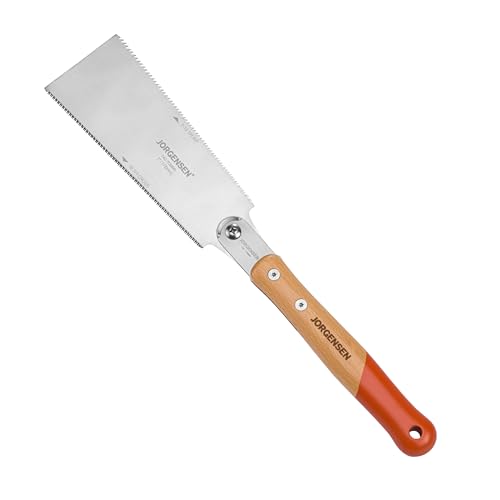
A ryoba is a double-edged Japanese pull saw: one side cuts across the grain, while the other cuts with the grain. That makes it unusually useful in a small shop. One tool can crosscut boards, rip narrow stock, trim tenons, and cut joinery without the bulk or setup of a Western backsaw.
The catch is that “ryoba” describes a saw format, not a single level of quality. Tooth pitch, blade stiffness, handle comfort, and replacement-blade availability matter more than appearance. For most woodworkers, a replaceable-blade saw from an established maker is the best starting point. A disposable stamped saw can cut well, but a cheap blade that bends or loses its set quickly becomes frustrating.
As an Amazon Associate we earn from qualifying purchases at no extra cost to you.


Our Top Picks
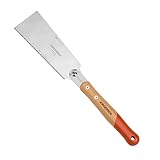
 SUIZAN Dozuki Dovetail Saw 6" Cross Cut6 Inch (150mm)15.16 x 0.83 x 2.52 inches0.4 PoundsCheck on Amazon



What to Look For in a Ryoba
For general shop work, look for a blade around 9 to 10 inches long, with roughly 10 to 14 teeth per inch on the crosscut side and 6 to 9 teeth per inch on the rip side. Finer teeth leave cleaner shoulders and are easier to control in joinery. Coarser teeth remove stock faster but are more likely to tear out thin plywood or catch in resinous lumber.
A blade around 0.4 to 0.6 mm thick gives a narrow kerf and wastes less material than a typical Western handsaw. It also flexes more easily. That flexibility is useful when flush-cutting plugs or trimming a protruding tenon, but it makes the saw less forgiving if you twist it during the cut.
Replaceable-blade designs are normally the sensible choice. They cost more initially than a basic fixed-blade saw, but a replacement is cheaper than buying another complete saw and avoids sharpening hardened teeth. A fixed blade can be fine for occasional household work, especially if the saw costs little and you do not expect to cut hardwood joinery every week.
Best Ryoba Options Compared
| Type | Best use | Advantages | Limitations |
|---|---|---|---|
| Replaceable-blade professional ryoba | Joinery, furniture, regular shop use | Consistent teeth, easy blade replacement, good balance | Higher purchase price; replacement blades are a recurring cost |
| Basic fixed-blade ryoba | General repairs and occasional cutting | Low cost, simple, often supplied with a useful tooth pattern | Blade damage usually means replacing the whole saw |
| Fine-tooth joinery ryoba | Dovetails, small tenons, clean shoulder cuts | Better control and cleaner cuts in dry hardwood | Slow in thick stock; clogs more easily in wet or resinous wood |
| Heavy-duty or coarse ryoba | Framing-sized stock, rough ripping, green wood | Fast material removal and less clogging | Wider kerf and rougher surfaces; excessive force can bend the blade |
For a first serious purchase, compare replaceable-blade Japanese ryoba saws from makers such as Gyokucho, Z-Saw, and Suizan. Their product lines vary, so check the stated tooth pitch and whether replacement blades are readily available before buying. The cheapest saw is not automatically a bargain if its handle is loose or its blade is difficult to replace.
Best Choice for Joinery
Choose a fine or medium-tooth ryoba with a relatively stiff blade. A 240 mm blade is a useful size for furniture work: long enough for efficient strokes, but not so long that it gets in the way inside a small carcass. Finer crosscut teeth help when cutting tenon shoulders, where a ragged edge can leave visible gaps. The rip side is useful for cutting the cheeks of tenons and starting small dovetail cuts.
Do not expect a ryoba to replace every joinery saw. A dedicated dozuki, with a reinforced back, is easier to keep straight for delicate dovetails and narrow pins. The ryoba wins when you need more clearance or must rip along the grain. If most of your work is small boxes and dovetails, a fine Japanese dozuki joinery saw may be the better second saw.
Best Choice for General Shop Cuts
A medium-tooth replaceable-blade ryoba is the most versatile option. It can crosscut 1-by and 2-by stock, shorten dowels, trim shelf parts, and rip smaller pieces without feeling excessively delicate. For this role, a coarser rip side is more useful than an ultra-fine tooth pattern.
Use the crosscut edge for cutting across the fibers and the rip edge for cutting in the same direction as the fibers. The distinction matters. Ripping with the crosscut side can make the saw skate and clog; crosscutting with coarse rip teeth can produce heavy splintering, particularly in plywood and veneered board.
If your work includes a lot of construction lumber, consider a 240 mm ryoba with replacement blades. A longer blade is not automatically faster, but it lets you use a longer, smoother stroke. For stock thicker than about 2 inches, a coarse Western saw or powered tool may be more efficient.
How to Use a Ryoba Without Damaging It
Start the cut with short, light strokes using the heel of the blade. Once a shallow kerf is established, lengthen the stroke and let the teeth do the work. Japanese pull saws cut on the pull stroke, so pushing hard can kink the blade. Keep the blade aligned with the layout line and avoid rotating the handle to steer around a knot.
Support the work close to the cut. Unsupported plywood can vibrate and chip, while a long overhang can pinch the blade. On a tenon shoulder, score the fibers with a marking knife first and cut on the waste side of the line. Leave about 0.5 to 1 mm for cleanup if the joint must fit precisely.
The most common failure mode is a bent blade caused by twisting during a cut. A second is tooth damage from hitting screws, nails, or hidden staples. Hardened Japanese teeth are sharp but not meant for contaminated reclaimed wood. Inspect boards with a metal detector or use a sacrificial saw when the material is questionable.
Maintenance and Buying Advice
Wipe resin from the blade with a suitable cleaner and keep the saw dry. Store it where the teeth cannot contact other tools. Do not force a dull blade: burning, wandering, and increased effort are signs that replacement is due. Most ryoba blades are not practical for home sharpening because the teeth are impulse-hardened and have an alternating, specialized geometry.
Buy the finest tooth pattern that still matches your normal stock. For mostly furniture joinery, favor control and a clean crosscut. For mixed repair work, choose medium teeth and a replaceable blade. The cheaper fixed-blade option is perfectly adequate for occasional cuts in softwood; regular joinery work justifies the better handle, straighter blade, and ongoing blade availability of a professional ryoba.