What's inside
As an Amazon Associate I earn from qualifying purchases. This post may contain affiliate links at no extra cost to you.
The best home kombucha brewing kits for enthusiasts are usually one-gallon glass systems with a breathable cover, pH strips, thermometer, and a reliable way to keep the brew near 75–80°F; choose a temperature-controlled kit only if your room regularly falls outside that range or you brew year-round.
As an Amazon Associate we earn from qualifying purchases at no extra cost to you.


Our Top Picks
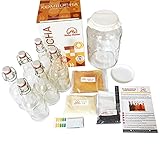
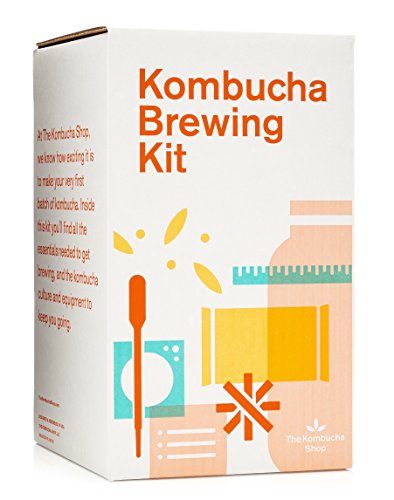
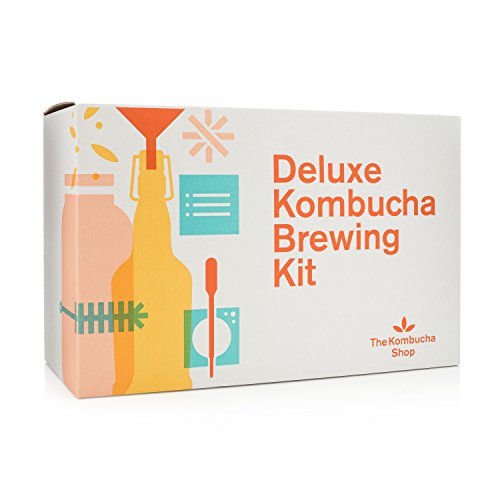 Deluxe Organic Kombucha Starter Kit1 Count (Pack of 1)17.6 x 7.8 x 11.5 inches11 poundsCheck on Amazon
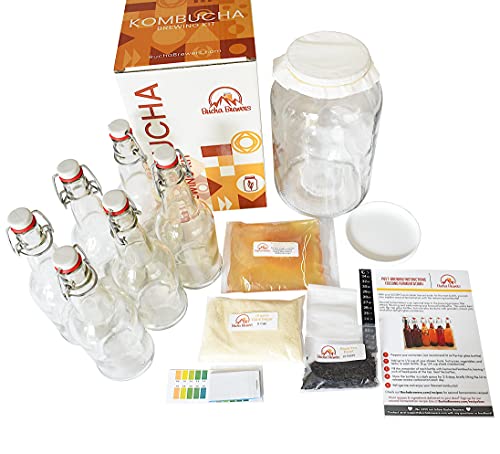
 Fermentaholics Kombucha Brewing Starter KitComplete Kombucha Brewing Kit12.6 x 7.4 x 7.4 inches4 poundsCheck on Amazon
Quick picks by brewing situation
| Situation | Best kit type | Typical capacity | Why it fits | Main compromise |
|---|---|---|---|---|
| First batch or limited counter space | Glass jar starter kit | 1 gallon / 3.8 L | Simple process, easy inspection, modest footprint | Usually no active temperature control |
| Frequent brewing for a household | Two-jug or large glass kit | 2 gallons / 7.6 L | Allows staggered batches and more finished tea | Needs substantial shelf space and more bottles |
| Cool kitchen or winter brewing | Glass kit with heating wrap or mat | 1 gallon / 3.8 L | More consistent fermentation temperature | Costs more and requires electrical space |
| Compact storage and repeated small batches | Continuous-brew dispenser | 1.5–2.5 gallons / 5.7–9.5 L | Draw finished kombucha while retaining the culture | Spigot cleaning is more involved |
| Travel, camping, or occasional use | Food-safe plastic fermentation vessel | 1 gallon / 3.8 L | Lightweight and less vulnerable to impact | Scratches can retain odors and microbes |
Best overall: a one-gallon glass starter kit
A one-gallon glass kit is the strongest choice for most enthusiasts because it balances batch size, visibility, cleaning, and ingredient cost. Common complete kits from established kombucha specialists such as The Kombucha Shop, Kombucha Kamp, Craft a Brew, and Fermentaholics typically center on a wide-mouth glass jar and add a cover, rubber band, starter liquid, SCOBY, thermometer, and acidity test supplies. Exact contents differ by package, so check whether tea, sugar, bottles, and temperature equipment are actually included.
Glass is nonporous and does not readily absorb tea color, fruit aromas, or acidic liquid. Its transparency also lets you see yeast strands, sediment, surface growth, and the developing new SCOBY without opening the vessel. The drawback is weight: a full one-gallon jar can weigh roughly 10–12 pounds once liquid and glass are included. Put it on a stable surface before filling rather than carrying it across the kitchen.
For a first-time brewer, look for a wide opening of at least 4 inches. A narrow-neck jar may look tidy, but it makes removing the SCOBY, wiping the shoulder, and checking for residue unnecessarily difficult.
Best for temperature consistency: a heated glass kit
Temperature is one of the most useful upgrades for an enthusiast. Kombucha ferments at different speeds depending on tea strength, sugar, culture activity, and room temperature, but a room around 75–80°F generally produces a more predictable cycle than a cold countertop. A heating wrap or low-wattage mat can help when the brewing area falls into the 60s.
The Kombucha Shop is known for kits and accessories that can include a heating element, while other brands sell a standard glass kit and temperature-control equipment separately. A practical setup should provide gentle, even warmth and should be paired with a thermometer. Avoid improvised high-heat sources: excessive heat can stress the culture and create a large temperature difference between the bottom and top of the jar.
Temperature control does not remove the need to taste and observe the brew. It simply reduces one major variable. If your kitchen stays between 72 and 80°F most of the year, spend the budget on better bottles, a second jar, or cleaning tools instead.
Best for continuous brewing: a dispenser-style kit
A continuous-brew kit uses a larger vessel with a spigot. You periodically draw off finished kombucha and replace it with sweetened tea, leaving some mature liquid and the SCOBY in place. This suits enthusiasts who drink kombucha several times a week and do not want to empty, clean, and restart a jar after every batch.
Dispenser-style systems are available from kombucha-focused suppliers and often use glass or ceramic bodies. Choose a model with a food-safe, replaceable spigot and enough clearance underneath for your bottle. The spigot is also the ownership weak point: sugary tea can dry inside the valve, washers can discolor, and hidden threads can harbor residue. A continuous brewer is convenient only when you are willing to remove and wash the tap regularly.
For intermittent brewing, a standard jar is easier. A continuously maintained culture needs regular feeding, and neglect can leave the liquid excessively acidic or allow the culture to dry around the spigot.
Glass versus plastic: which material is better?
| Factor | Glass | Food-safe plastic |
|---|---|---|
| Typical empty-vessel weight | 2–5 lb for 1 gallon | Under 1 lb for 1 gallon |
| Odor and color retention | Low when washed properly | Higher, especially after fruit flavoring |
| Scratch resistance | High | Lower; scratches are difficult to sanitize |
| Breakage risk | Can crack or shatter if dropped or thermally shocked | Much more impact resistant |
| Visibility | Clear and stable over time | Usually clear, but may haze or stain |
| Best use | Long-term enthusiast brewing | Travel, temporary use, or high-impact environments |
Choose plastic only when weight and break resistance outweigh long-term convenience. It should be clearly labeled food-safe and suitable for acidic beverages. Never use an old bucket, an unmarked storage tub, or a scratched container. For glass, avoid sudden temperature changes: do not pour boiling tea into a cold jar, and do not set a hot jar on a cold stone counter.
What the included accessories should do
- Breathable cover: A tightly woven cloth or purpose-made cover keeps insects out while allowing airflow. A sealed lid is for later bottle conditioning, not the initial fermentation.
- Thermometer: A stick-on strip is convenient, while a digital probe is easier to read accurately. Measure cooled tea before adding the SCOBY.
- pH strips: These are useful for checking that fermentation is
Affiliate disclosure. As an Amazon Associate we earn from qualifying purchases at no extra cost to you. Prices accurate as of the date shown.Best Home Kombucha Brewing Kits for EnthusiastsCheck price on AmazonRelated guides