What's inside
As an Amazon Associate I earn from qualifying purchases. This post may contain affiliate links at no extra cost to you.
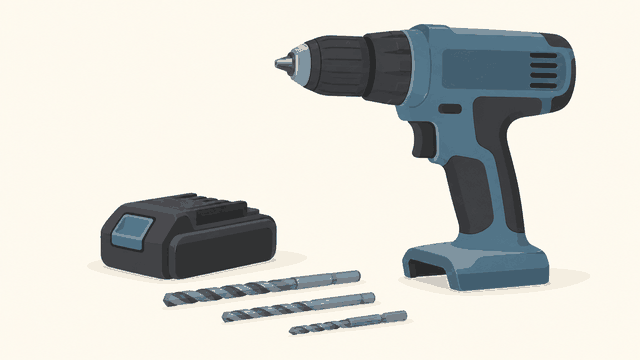
Thin stainless steel is easy to damage and surprisingly difficult to drill cleanly. The sheet flexes, the work-hardens quickly, and a dull bit can turn a 10-second hole into a blue, ragged mess. The best cordless drill for this job is not necessarily the most powerful one. It is a drill with a controllable low-speed trigger, a properly adjustable clutch, and enough torque to keep a sharp bit cutting without forcing you to use excessive pressure.
For most DIY work, an 18V or 20V brushless drill with a two-speed gearbox is the best choice. Pair it with a sharp cobalt split-point bit or a quality step drill, clamp the sheet firmly, and use cutting oil. The technique matters at least as much as the drill.
As an Amazon Associate we earn from qualifying purchases at no extra cost to you.


Our Top Picks
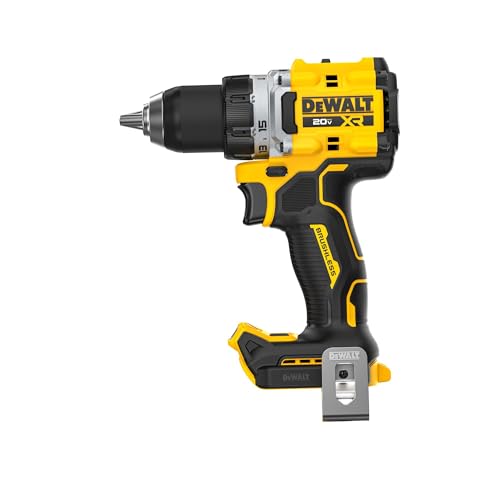 DEWALT 20V MAX XR Brushless Cordless 1/2 in.9 x 3.5 x 7.1 inches9 x 3.5 x 7.1 inches0.86 poundsCheck on Amazon
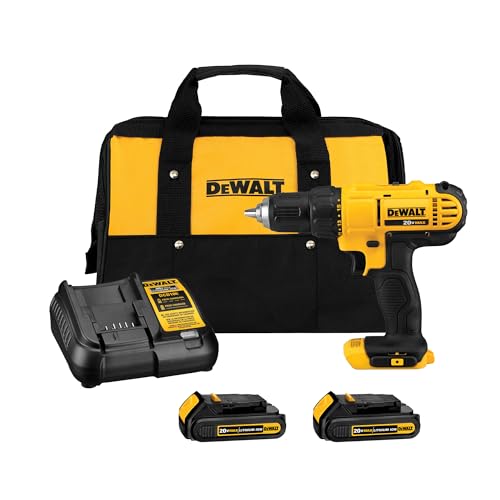


What to Look for in a Cordless Drill
Choose a drill with a low first-gear range of roughly 0 to 500 rpm and a variable-speed trigger that is easy to feather. Thin stainless usually needs controlled speed rather than maximum speed. A drill that jumps immediately from stopped to fast can skate across the surface or overheat the cutting edge.
A 1/2-inch chuck is useful if you will use larger step drills, but a good 3/8-inch chuck is adequate for most holes under 1/2 inch. Brushless motors are preferable for repeated drilling because they run cooler and deliver better runtime, but a cheaper brushed drill is fine for occasional work. Spend money on the bit before upgrading from a decent brushed drill to a premium motor.
Look for a side handle if you will drill holes larger than about 3/8 inch. A large bit can grab when it breaks through, twisting the drill and damaging the sheet. A side handle gives you much better control. A hammer-drill mode is unnecessary; keep it switched off.
These are the most useful 18V or 20V brushless drill drivers for this type of work. Choose a platform you already own if possible. Buying a new battery system for a handful of holes rarely makes financial sense.
| Drill type | Best use | Advantages | Drawbacks |
|---|---|---|---|
| Compact 12V drill | Small holes, light sheet | Light, easy to control, usually inexpensive | Less torque for large step drills |
| 18V/20V brushed drill | Occasional household projects | Low purchase cost, adequate power | More heat and shorter runtime under load |
| 18V/20V brushless drill | Frequent drilling and larger holes | Better control, runtime, and durability | Higher cost; power can be excessive without a sharp bit |
| Right-angle drill | Confined cabinets and equipment | Fits where a standard drill cannot | Usually slower to control and more expensive |
The Right Bits for Stainless Steel
Do not use a general-purpose black oxide bit if you want clean holes. It may work once, but stainless steel quickly dulls the edge. The better choice is a cobalt alloy bit, particularly an M35 or M42 bit, with a 135-degree split point. The split point starts more accurately and reduces walking on smooth sheet.
For a set of small holes, use M35 cobalt split-point drill bits. For larger holes, a step drill is usually faster and produces a cleaner opening in thin material. Select a step drill specifically rated for stainless steel, not the cheapest uncoated version in a mixed accessory kit.
A step drill is especially useful in sheet from roughly 20 gauge to 1/8 inch. It cuts progressively, leaves a round hole, and avoids the grabbing that can occur when a large twist drill breaks through. Its limitation is that each step has a fixed diameter, so it is not the right tool for every precise hole size.
How to Drill Clean Holes
Mark the center with a fine-tip marker, then make a small center-punch dimple. The dimple should locate the bit, not create a large crater. Clamp the sheet against a scrap of plywood or hardwood. Supporting the back prevents the stainless from vibrating and reduces the distorted lip produced at breakthrough.
Apply a drop of cutting oil before starting. For holes under 1/4 inch, run a sharp cobalt bit at approximately 500 to 900 rpm. For a step drill or a hole larger than 1/4 inch, start around 200 to 500 rpm. These are practical starting ranges, not absolute rules; use the lowest speed that produces a steady curl or clean cutting action.
Use firm, straight pressure. Do not let the bit rub without cutting. Rubbing creates heat, and heat-hardens the stainless surface. Once the surface hardens, even a new bit can struggle. If the bit squeals, smokes, turns blue, or stops producing chips, stop immediately and let everything cool. Increasing speed will usually make the problem worse.
As the bit approaches the back of the sheet, reduce pressure slightly but keep the drill aligned. A sharp bit can grab at breakthrough, tearing the hole and spinning the workpiece. With a step drill, stop as soon as the desired step passes through. Deburr both sides with a countersink, a larger dull bit turned by hand, or a dedicated deburring tool.
Common Buying Mistakes
The most common mistake is buying a high-torque drill and pairing it with cheap bits. Excess torque does not compensate for a dull edge; it simply makes grabbing more violent. A basic drill with a sharp stainless-steel step drill bit will outperform a premium drill with a bargain bit.
Another mistake is choosing an impact driver. It can turn hex-shank bits, but its hammering action is unnecessary and makes delicate sheet work harder to control. Use a conventional drill driver instead.
Finally, do not buy a large battery solely for this task. A 2.0Ah pack keeps the drill lighter and will make dozens of small holes. A 4.0Ah or larger battery is worthwhile only if you also drill large holes, drive long fasteners, or already use that battery platform for other tools.
Best Choice for Most Users
For most people, the sensible setup is an 18V or 20V two-speed drill driver, a sharp M35 cobalt bit set for small holes, and a stainless-rated step drill for larger openings. A cheaper brushed drill is perfectly acceptable for a few holes in thin sheet. Choose brushless when you do this work regularly, need better runtime, or want smoother low-speed control. The clean result comes from low speed, cutting oil, solid backing, and a bit that is still sharp—not from maximum advertised torque.