What's inside
As an Amazon Associate I earn from qualifying purchases. This post may contain affiliate links at no extra cost to you.
Our Top Picks
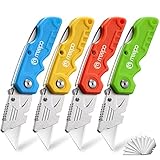
 Klein Tools 44306 FLICKBLADE 2-in-1 Folding Utility Knife7.53 inches11.63 x 8.25 x 4.75 inches0.37 PoundsCheck on Amazon


Best Budget Utility Knives for Workshop and Home Use
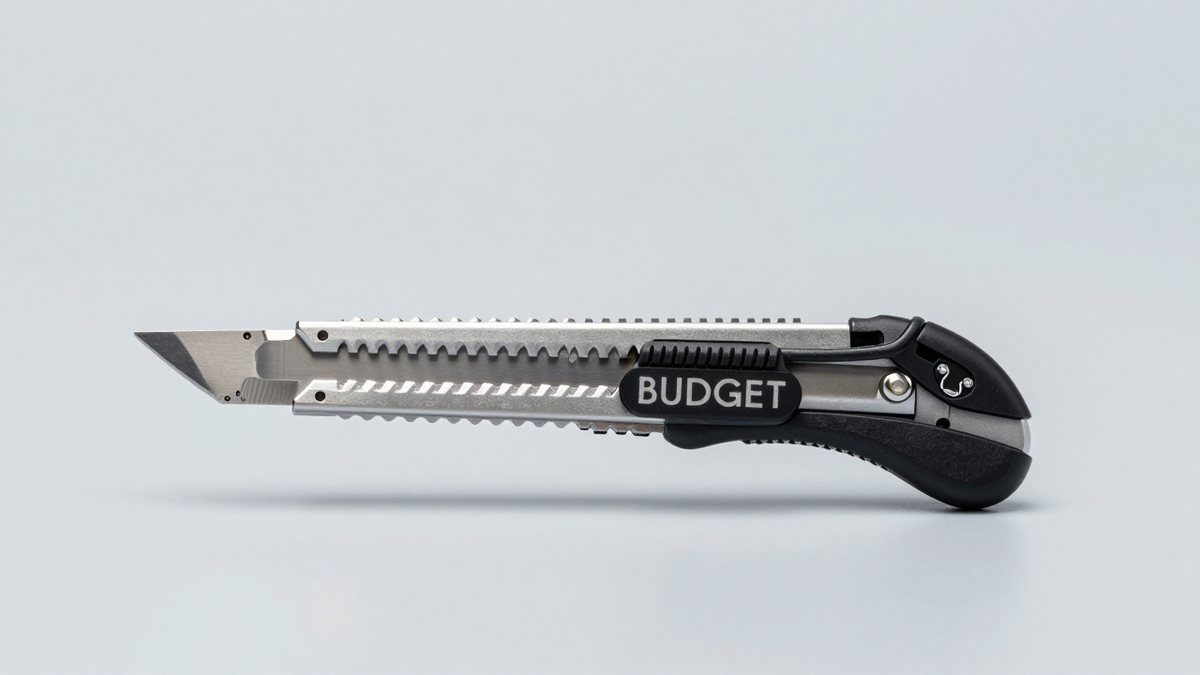
The best budget utility knife for most homes is a retractable, standard-blade model with a positive lock, a comfortable grip, and room to store spare blades; choose a fixed trapezoid-blade knife for heavier workshop cuts or a snap-off knife for frequent fine trimming.
For affordable, widely available options, compare the Stanley 99E, OLFA 18 mm Standard-Duty Utility Knife, Milwaukee FASTBACK Compact Flip Utility Knife, and a basic fixed-blade trapezoid knife. They suit different tasks: the key is matching the opening mechanism and blade format to what you cut, rather than paying for features you won’t use.
As an Amazon Associate we earn from qualifying purchases at no extra cost to you.


Shortlist by situation
- Best simple all-rounder: Stanley 99E. A classic metal-body retractable knife for cardboard, packaging, and general household or workshop jobs. Its standard trapezoid blades are easy to find, and the body stores spare blades. The screw-secured housing takes longer to open than a tool-free design, but it keeps the mechanism simple.
- Best for controlled trimming: OLFA 18 mm Standard-Duty Utility Knife. Its segmented snap-off blade lets you expose a fresh edge without replacing the whole blade. It’s useful for thin sheet material, paper, and careful scoring. Keep the blade extension short; it is not the right choice for prying or forceful cuts.
- Best for quick one-handed access: Milwaukee FASTBACK Compact Flip Utility Knife. The folding format opens quickly and usually accepts standard utility blades. It is handy for repeated package opening and job-site carry. Verify the exact model’s blade storage and belt-clip features before buying, as FASTBACK variants differ.
- Best for demanding cuts: a fixed-blade trapezoid utility knife. A simple fixed handle and replaceable standard blade can feel more secure when cutting dense packaging or material that needs a firm, controlled pull. It is less compact and requires a blade cover or sheath for safe storage.
Compare the practical differences
Specifications vary by model and revision, so use the figures below as format-level comparisons and confirm the package details before purchase. Prices are broad US market ranges, not fixed quotes; sales and regional availability can change them.
| Option | Blade format | Typical body length | Typical weight | Change mechanism and storage | Approx. price range |
|---|---|---|---|---|---|
| Stanley 99E | Standard trapezoid, about 2.4 in (61 mm) long | About 6 in (152 mm) | About 4–5 oz (113–142 g) | Screw-open body; onboard spare-blade storage | $5–$12 |
| OLFA 18 mm Standard-Duty | 18 mm segmented snap-off blade | About 6 in (152 mm) | About 1–2 oz (28–57 g) | Slider advances blade; snap segments for a fresh edge; typically no large blade reserve inside | $5–$12 |
| Milwaukee FASTBACK Compact | Standard trapezoid, about 2.4 in (61 mm) long | About 4–5 in (102–127 mm) folded | About 3–4 oz (85–113 g) | Folding mechanism; blade storage depends on variant | $10–$25 |
| Basic fixed-blade knife | Standard trapezoid, about 2.4 in (61 mm) long | About 6–7 in (152–178 mm), excluding sheath | About 3–6 oz (85–170 g) | Manual blade replacement; sheath or cap needed for storage | $5–$15 |
Choose by cut, hand, and storage space
For occasional home use and a tight budget
A basic retractable knife such as the Stanley 99E is a sensible starting point if you want a robust body, common replacement blades, and a place to keep spares. The screw closure is slower than a quick-release design, but fewer moving parts can be a virtue when the tool spends weeks in a drawer. Look for a model whose slider has distinct positions and does not move loosely.
For repeated scoring and clean, shallow cuts
An 18 mm snap-off knife suits work such as trimming wallpaper, cutting thin foam board, or scoring cardboard. The long blade can reach into a cut, but it also flexes more than a short trapezoid blade. Use only the shortest extension that clears the material, and choose a heavy-duty snap-off model if the work requires more force.
For frequent carry and quick blade swaps
A folding knife is convenient when you open boxes throughout the day and want the blade enclosed between cuts. A quick-change button saves time, but check that the blade seats fully and that the lock holds it securely before cutting. A pocket clip is useful for carry; onboard spare-blade storage is a separate feature, not something every compact model includes.
For firm cuts in the workshop
A fixed-blade knife has no retracting slider to creep under pressure, but security still depends on the blade clamp and handle. For dense material, keep the cut directed away from your body and use several controlled passes rather than forcing the blade. Do not substitute any utility knife for a tool intended to cut thick stock or hard materials.
Blade compatibility and safety checks
“Standard utility blade” generally means a trapezoid blade around 2.4 inches (61 mm) long, but not every knife accepts every blade. Some models use proprietary blades, unusual hole patterns, or specific blade thicknesses. Snap-off blades are a different format: an 18 mm blade will not fit a trapezoid-blade holder. Before ordering replacements, check the manufacturer’s stated blade type and compare the old blade’s shape and mounting features.
Blade changes are a common point of failure. Open the housing according to its instructions, keep fingers clear of the cutting edge, and confirm the replacement sits flat before closing the knife. After changing a blade, test the lock without cutting material. If the blade shifts, the clamp is damaged, or the handle will not close properly, stop using the knife.
Store retractable blades fully inside the body and fold folding knives closed. Keep spare blades in their dispenser or a closed storage compartment, not loose in a toolbox. A blade can cut poorly before it looks visibly damaged; if it starts tearing material or needs noticeably more pressure, replace it rather than pushing harder.
What wears first—and how to keep the knife dependable
The blade edge is the main consumable. On inexpensive knives, the next likely weak points are a worn slider track, a loose clamp, a stripped housing screw, or a folding pivot that develops play. Dust, adhesive, and cardboard fibers can jam retractable mechanisms, especially if the knife is stored loose in a toolbox.
Brush debris out of the handle and blade channel with the blade retracted or removed. Avoid flooding the mechanism with oil: it can attract more dust and contaminate material being cut. Replace a knife with a cracked handle, unreliable lock, or loose pivot; a low purchase price is no bargain if the blade can slip during use.
Bottom line
For one affordable household-and-workshop knife, start with a standard trapezoid-blade retractable model that has a secure lock and onboard blade storage. Choose the OLFA snap-off format for light trimming, a Milwaukee FASTBACK Compact for quick carry and access, or a fixed-blade knife when you prefer a simple handle for firmer cuts. Whichever format you choose, confirm blade compatibility first and treat a dependable lock and safe storage as essential—not optional extras.