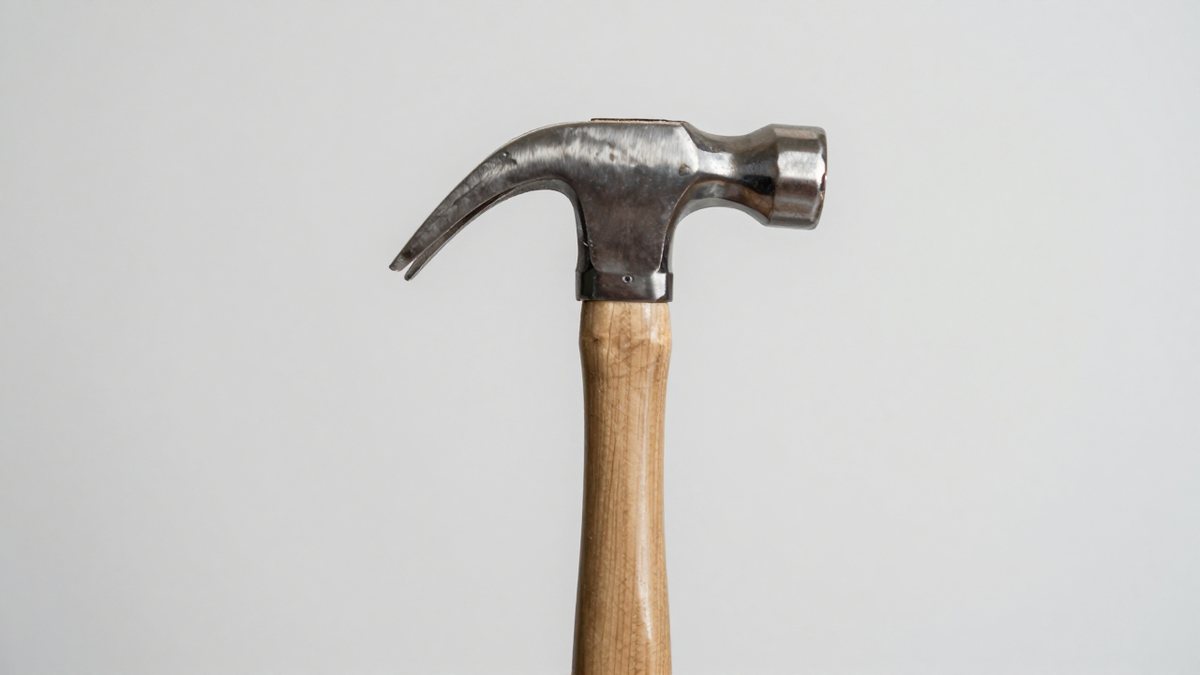
What's inside
As an Amazon Associate I earn from qualifying purchases. This post may contain affiliate links at no extra cost to you.
Our Top Picks


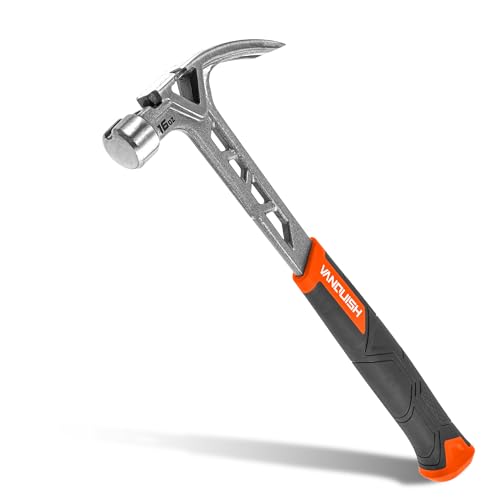
Best Claw Hammer for Beginners: Comfortable, Reliable Picks
The best claw hammer for beginners is usually a well-balanced 16-ounce model with a smooth or lightly textured fiberglass, composite, or steel handle, a straight claw, and enough vibration control for repeated household repairs.
A 16-ounce hammer is the most useful all-purpose size for assembling furniture, hanging pictures, driving common nails, removing trim, and handling small construction projects. Lighter 8- to 12-ounce hammers are easier to control but require more swings, while 20-ounce framing hammers deliver more driving power than most beginners need indoors.
As an Amazon Associate we earn from qualifying purchases at no extra cost to you.


What beginners should look for
Weight: 16 ounces is the practical middle ground
Hammer weight normally refers to the metal head, not the complete tool. A 16-ounce head provides a good balance between driving force and control. It can drive finishing nails, common 8d nails, and many framing nails without feeling unnecessarily tiring during occasional home repairs.
- 8–12 ounces: Best for picture hooks, small brads, crafts, and delicate trim. Less intimidating, but slow for larger nails.
- 16 ounces: Best all-purpose choice for most beginners and household maintenance.
- 20–22 ounces: Better for framing, decking, and frequent structural work. Usually excessive for apartment or light DIY use.
Remember that two 16-ounce hammers can feel very different. Head geometry, handle length, grip material, and balance affect fatigue as much as the number stamped on the head.
Handle material and vibration control
Traditional hickory handles are comfortable, repairable, and attractive, but they can break if struck against hard surfaces, left wet, or used for prying. A wood handle also needs closer inspection around the eye of the hammer, where the head is mounted.
Fiberglass handles are a dependable beginner choice because they resist splitting and moisture. They are often covered with a rubber or elastomer grip, which improves comfort but can eventually loosen, crack, or become slippery with oil.
One-piece forged-steel hammers, such as the Estwing E3-16, are highly resistant to a loose head because the head and handle are made as one piece. Their metal construction can transmit more impact unless the grip and neck are designed to reduce vibration. They are durable, but some users find them less forgiving during a long session.
Composite and vibration-control designs, including the Fiskars IsoCore line, use an insulated or shock-reducing connection between the head and handle. These can be comfortable for repetitive work, although they may cost more and feel bulkier than a basic fiberglass hammer.
Claw shape: straight or curved?
A curved claw is usually the easiest choice for beginners. Its rounded profile gives better leverage when pulling common nails, and the curved shape can help rock a nail out of wood with less hand force. It is particularly useful for household repairs and removing small pieces of trim.
A straight claw is more versatile for demolition. It can pry boards apart, scrape material, and reach into tighter gaps. However, the sharper geometry requires more care around finished surfaces and can cause damage if used carelessly.
Look for a claw gap that is wide enough to catch nail heads but not so open that small nails slip through. A clean, narrow slot between the claws is useful for pulling nails whose heads are partly buried.
Balance and face design
A beginner-friendly hammer should feel controlled when held near the end of the grip, with the head tracking straight rather than twisting. A face that is slightly convex helps prevent the hammer from sliding off the nail head. A heavily milled or textured face improves grip on framing nails but can leave marks on finished wood.
For general indoor work, choose a smooth or lightly textured face. If the hammer will also be used for framing or rough carpentry, a milled face is practical, but protect visible wood with a scrap block or use a smoother hammer for finish work.
Best beginner hammer picks by situation
| Situation | Recommended type or example | Typical specification | Why it fits |
|---|---|---|---|
| One hammer for general home repairs | Curved-claw fiberglass hammer, such as the Stanley 51-163 type | 16 oz head; fiberglass handle; smooth face | Balanced, affordable, and suitable for common nails and furniture repairs |
| Maximum durability and compact ownership | Estwing E3-16 | 16 oz head; one-piece forged steel; curved claw | No separate wooden handle to replace; useful for regular household work |
| Frequent repetitive driving | Fiskars IsoCore 16 oz hammer | 16 oz head; composite vibration-control construction | Designed to reduce transferred shock and hand fatigue |
| Rough carpentry and occasional demolition | Straight-claw framing-style hammer | 16–20 oz head; textured face; straight claw | Better leverage and surface grip, though less gentle on finished materials |
| Small nails and light trim | 10–12 oz curved-claw hammer | 10–12 oz head; narrow face; fiberglass or wood handle | Easier to control for delicate work, but not an all-purpose replacement |
Named examples are useful reference points, but specifications can vary by regional version and handle configuration. Check the manufacturer’s current product details before buying, especially if the exact head weight matters.
Head-to-head: steel, fiberglass, or wood?
One-piece steel
Best for: durability, frequent use, and people who do not want to replace handles.
A one-piece steel hammer has excellent head security and tolerates demanding work. The trade-off is that steel can transmit more vibration, and the grip cannot absorb all impact. It is also less comfortable if the handle diameter or contour does not suit your hand.
Fiberglass
Best for: most beginners buying one affordable general-purpose hammer.
Fiberglass offers a useful combination of low maintenance, moisture resistance, and moderate shock absorption. Inspect the grip periodically. If it splits, slides, or exposes the handle beneath, replace the hammer rather than wrapping over a serious defect.
Hickory wood
Best for: traditional feel, repairability, and users who value a lighter, lively swing.
Wood handles can be replaced, but the replacement must fit the eye correctly and be secured with the proper wedge. Do not continue using a hammer with a visibly loose head. A loose head can fly off during a normal swing.
Choosing nails without overbuying
For common indoor tasks, a 16-ounce hammer comfortably covers most nails from small finishing nails up through approximately 8d common nails, which are about 2.5 inches long. Larger 10d and 16d framing nails can also be driven, but they require more effort and are better matched to a 20-ounce framing hammer when used frequently.
| Nail type or approximate size | Suitable beginner hammer | Practical note |
|---|---|---|
| 15–18 gauge finish nails | 8–12 oz | Use light, accurate taps to avoid bending or denting the surface |
| 1.5–2.5 inch common nails | 12–16 oz | The main range for household repairs and basic DIY |
| 3–3.5 inch framing nails | 16–20 oz | A heavier head reduces the number of swings during repeated work |
| Small masonry or hardened nails | Use the nail maker’s recommended tool | Do not substitute a household claw hammer if the nail requires a specialized striking tool |
A simple decision matrix
- Budget under about $30: Choose a 16-ounce fiberglass hammer with a curved claw. This is usually the strongest value for occasional use.
- Use once or twice a month: Prioritize a comfortable grip and corrosion-resistant head over premium balance features.
- Use several times a week: Spend more on vibration control, handle comfort, and a head that is securely integrated with the handle.
- Limited storage or apartment living: Choose a 16-ounce smooth-face hammer. It covers more jobs without the bulk and aggression of a framing hammer.
- Mostly furniture and trim: Choose a 10- or 12-ounce hammer if precision matters more than speed.
- Planning demolition or framing: Choose a 16- to 20-ounce straight-claw model, accepting that it may damage finished surfaces.
Ownership realities and maintenance
The first parts to wear are usually the grip, face, and claw edges—not the steel head itself. Rubber grips can harden or become tacky. Smooth faces develop dents from striking hardened objects, while textured faces gradually flatten. Claws can bend if used to pry material beyond their design or if sideways force is applied aggressively.
Keep the hammer dry and wipe off dirt or adhesive after use. A light film of rust-preventive oil on an exposed steel head can help in damp storage, but wipe the striking face before use so it does not contaminate wood. Store wood-handled hammers away from extreme dryness and moisture.
Do not use a claw hammer as a chisel, punch, or cold-metal striking tool unless the manufacturer specifically permits it. Do not strike one hammer with another. Wear eye protection when pulling nails or hitting hardened fasteners, and keep the non-striking hand clear of the swing path.
Final recommendation
For most first-time buyers, choose a 16-ounce curved-claw hammer with a fiberglass or composite handle, a comfortable non-slip grip, and a smooth or lightly textured face. The Stanley 51-163 type is a sensible budget category, the Estwing E3-16 is a durable one-piece-steel option, and the Fiskars IsoCore 16 oz type is worth considering when vibration control matters most. Move to a lighter 10–12-ounce model for delicate trim or a 20-ounce straight-claw hammer only when your projects regularly demand that extra control or driving power.