What's inside
As an Amazon Associate I earn from qualifying purchases. This post may contain affiliate links at no extra cost to you.
Our Top Picks
 Dewalt DCD794B 20V MAX ATOMIC COMPACT SERIES BrushlessOne Size6.61 x 3.32 x 8.39 Inches2.51 PoundsCheck on Amazon
 ATOMIC 20-Volt Lithium-Ion Cordless Compact 1/2 in. Drill/DriverOne Size7.97 x 2.49 x 7.97 inches0 PoundsCheck on Amazon
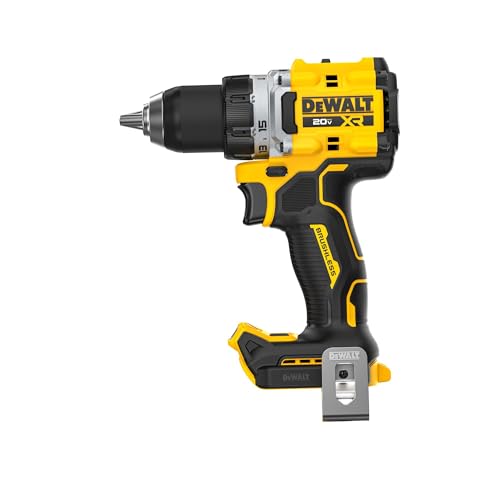 DEWALT 20V MAX XR Brushless Cordless 1/2 in.9 x 3.5 x 7.1 inches9 x 3.5 x 7.1 inches0.86 poundsCheck on Amazon
 DEWALT 20V MAX Cordless Drill and Impact DriverOne Size15.06 x 6.4 x 9.88 inches3.6 poundsCheck on Amazon
Why a compact drill helps in a drawer box
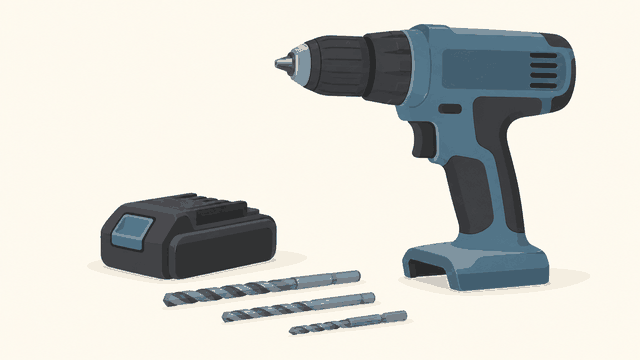
Fastening a drawer slide, catch, or small bracket inside a narrow drawer is mostly a clearance problem. A full-size drill can be too long to line up with a screw, hit the opposite wall, or force your wrist into an awkward angle. A compact drill-driver shortens the distance from the chuck to the back of the tool, making it easier to keep the bit straight in tight spaces.
For this job, “compact” is more useful than “powerful.” Most cabinet hardware screws are small, and a drawer box is commonly made from material around 12–19 mm thick. Too much torque can strip a screw head, tear out particleboard, or pull a screw through a thin panel. A well-controlled 12V drill is often enough; the right bit, pilot hole, and clutch setting matter more than headline torque.
As an Amazon Associate we earn from qualifying purchases at no extra cost to you.


What to look for when buying
Check the drill’s head length, weight, speed control, and clutch before comparing maximum torque. A short head helps when the drawer is assembled, but the tool still needs room for the bit and screw. If the drill body is compact but the chuck and bit add several inches, measure the actual working length.
A clutch with several settings gives you a way to limit driving force. Start low and increase it only until the screw seats. Variable-speed control is also important: a gentle trigger pull reduces the chance of the bit skating off a small screw head. A 3/8-inch keyless chuck is adequate for common hardware bits and usually keeps the tool smaller than a 1/2-inch chuck.
For a first cordless tool, a kit with a battery and charger is convenient. If you already own batteries in a compatible platform, a bare tool can be the cheaper and less wasteful buy. Compare the complete cost, not just the drill’s listed price.
Compact drill comparison
| Option | Best use | Trade-off |
|---|---|---|
| 12V compact drill-driver | Most drawer hardware and cabinet screws | Less reserve for large bits or repeated heavy work |
| Compact 18V drill-driver | One drill for furniture assembly and general home repairs | Often heavier and bulkier than needed inside a narrow box |
| Right-angle drill | Fasteners where a straight drill cannot physically fit | More specialized; not usually the best only drill |
| Manual screwdriver | A few screws, delicate hardware, or final snugging | Slower, but gives direct feedback and cannot overdrive as easily |
For a dedicated drawer and cabinet tool, a 12V compact drill-driver kit is the sensible starting point. Choose an 18V compact model if you also expect to drill larger holes or use the same tool for longer, more demanding jobs. The extra power is useful outside the drawer, but it does not make a stripped screw less likely.
When a different tool is the better choice
A right-angle drill can solve a genuine access problem when the drill body cannot line up with the fastener. It is not a magic fix for every tight drawer: the head still needs space, and a long bit or bulky attachment can put the screw off-axis. If you only need to reach one awkward fastener, a compact right-angle attachment may cost less than another drill. If the drawer is removable, taking it out and working from the open side is often simpler.
A manual screwdriver is a good choice for a couple of small screws, especially in softwood or near the edge of a thin panel. You can feel when the screw bottoms out. For repeated hardware installation, though, a drill saves time. Use it to drive the screw close to seated, then finish by hand if the material is fragile or the hardware must land precisely.
Compare a compact right-angle drill with a right-angle attachment before buying. The attachment is the cheaper option for occasional work, but it adds length and may not fit where the drill itself cannot.
Drive screws without damaging the drawer
First, check the hardware instructions for screw length and placement. A screw that is too long can puncture the drawer’s outside face; a screw too close to an edge can split solid wood or break out the edge of particleboard. Hold the slide or bracket in its intended position and mark the hole before drilling.
Use a bit that fits the screw head tightly. A loose Phillips bit cams out easily, damaging both the screw and the surrounding finish. For a small screw, drill a pilot hole sized to the screw’s core rather than its outer thread diameter; in softwood, roughly 2–3 mm is a useful starting range for common small hardware screws, but follow the screw and material when specified. Keep the hole centered and shallower than the screw’s full length if there is a risk of drilling through the panel.
Set the clutch low, hold the drill in line with the screw, and drive slowly. If the screw stops turning before it is seated, do not just raise the clutch repeatedly. Back it out and check for a misaligned hole, a dull bit, or a screw that is too long. If the head begins to slip, stop before the recess is rounded. A manual screwdriver can finish the last turn with better feel.
Accessories worth buying
A short, quality screwdriver bit is less awkward in a drawer than a long bit holder. Keep at least one spare bit on hand; a worn tip can make a small fastener much harder to control. A magnetic bit holder helps retain screws, although strong magnets can collect metal dust. If the screw is recessed, use a short extension only when the drill still has room to stay square.
Buy a short magnetic screwdriver-bit set if your current bits are worn or too long for the drawer. For occasional installation, a basic, correctly sized bit is enough; a large premium set does not improve the result if the screw head is the wrong type.
Make the buying decision
Choose a compact 12V drill-driver for repeated drawer and cabinet work, especially if it has a short head, a usable clutch, and a variable-speed trigger. Choose a compact 18V drill if it will also serve as your general-purpose household drill and you value its extra capacity more than its added size. For just a few fasteners, a hand screwdriver may be all you need. Whichever tool you use, measure clearance, pilot the hole when the material calls for it, and stop as soon as the hardware is secure.