What's inside
As an Amazon Associate I earn from qualifying purchases. This post may contain affiliate links at no extra cost to you.
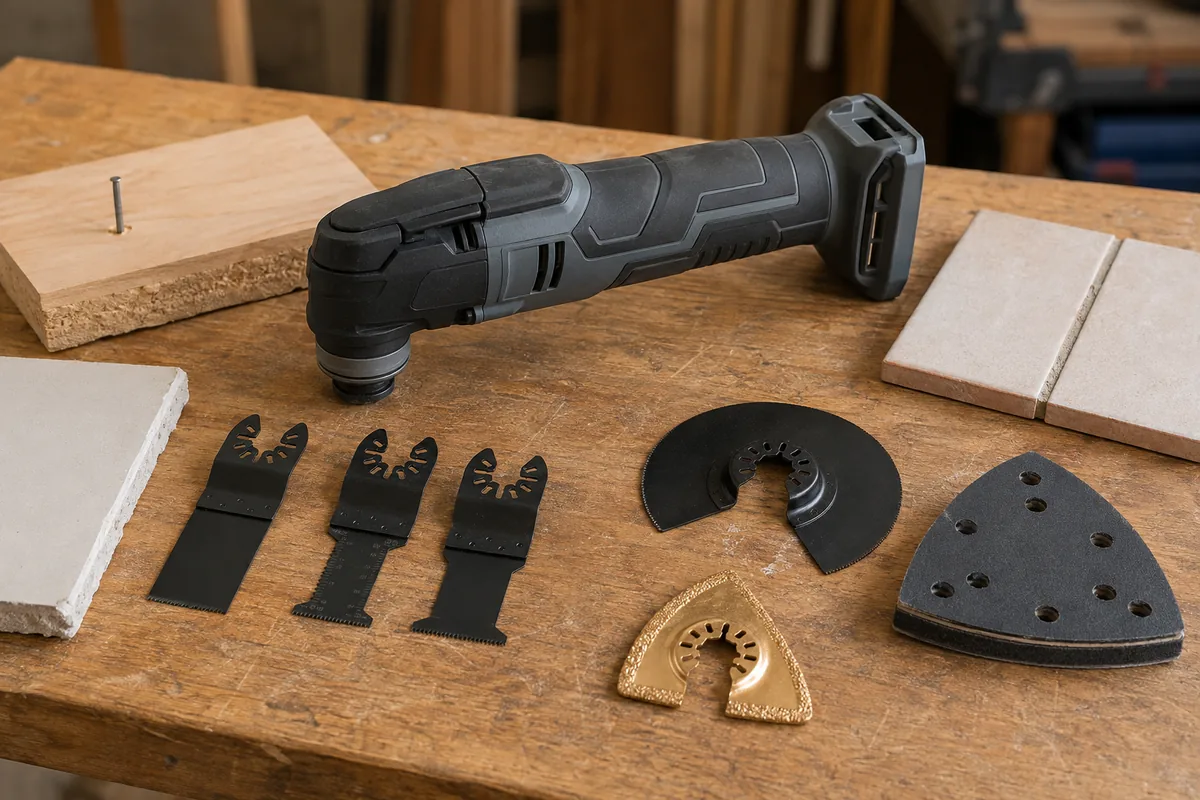
Starlock and universal-fit accessories can do the same cutting, sanding and scraping jobs, but they attach differently. The practical difference is how quickly and securely you can change a blade—and whether your existing oscillating tool accepts the mount. If you are buying a tool, the mount affects which accessories you can use. If you already own one, compatibility is the first thing to check.
As an Amazon Associate we earn from qualifying purchases at no extra cost to you.


Our Top Picks

The basic difference
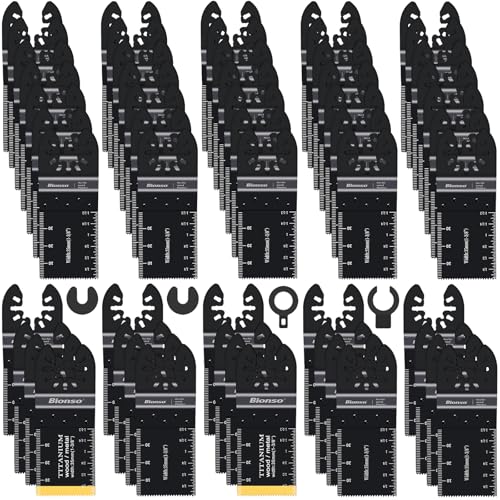
Universal accessories use an open-backed, slotted mounting shape that fits many oscillating tools. Depending on the tool, you tighten the accessory with a wrench, a clamp, or a tool-free lever. “Universal” is a useful shorthand, not a guarantee that every blade fits every machine: some tools need an adapter, and certain proprietary mounts are incompatible.
Starlock uses a shaped, three-dimensional interface that locks the accessory to a matching tool head. Starlock tools are designed for tool-free changes: push the accessory onto the mount and release it by operating the tool’s mechanism. Starlock, StarlockPlus and StarlockMax identify mount and performance classes within the system. Check the tool and accessory packaging rather than assuming all three classes are interchangeable in every direction.
Which mount is easier to use?
For frequent changes, Starlock is usually easier. You do not have to line up an open slot and tighten a separate fastener, and the locked connection is less likely to shift if the accessory is installed correctly. That is handy when switching between a plunge-cut blade, a scraper and a sanding pad during one job.
Universal fit can be just as quick on a tool with a good lever-release clamp. On a wrench-tightened model, changing blades typically means stopping the tool, loosening the bolt, swapping the accessory, then tightening it again. That extra step is modest if you use one blade for a whole task; it gets old when you make several changes in an hour. Gloves, dust and a hot blade can make either system less pleasant to handle, so let the accessory cool before changing it.
| Factor | Starlock | Universal fit |
|---|---|---|
| Changing accessories | Push-on, tool-free on compatible tools | Tool-free on some tools; wrench or lever on others |
| Fit and retention | Positive shaped engagement when compatible | Depends on the clamp, bolt and accessory fit |
| Accessory selection | Broad, but mount class must match | Broad across many brands, with exceptions |
| Cost and availability | Often pricier; check local stock | Many budget choices and widely stocked blades |
| Best fit | Frequent changes and a compatible tool | Existing tools, occasional changes, lower cost |
Compatibility is the catch
Mount names can be confusing because universal accessories may fit a range of older and current tools, while a Starlock accessory needs a compatible Starlock interface or a manufacturer-approved adapter. An adapter can solve a fit problem, but it adds another part to manage and may not be suitable for every accessory or tool. Confirm compatibility in the tool and blade instructions before buying; do not rely on a product photo or the word “universal” alone.
If you are buying a replacement blade, match the mount first, then choose the blade shape and material for the task. A narrow plunge-cut blade is useful for a straight cut in wood; a carbide or bi-metal edge is more appropriate for tougher materials than a basic wood blade. The wrong blade can dull quickly, overheat, or bind even when it mounts perfectly.
Performance and failure modes
A secure mount matters most when the blade is pushed hard or used at an angle. If a universal accessory is not seated flat or its fastener is loose, it can wobble, slip or chew up the mounting slot. A worn clamp or damaged bolt can cause similar trouble. Stop if the blade moves against the tool head; retighten it or replace damaged parts rather than trying to compensate by pressing harder.
Starlock’s shaped connection reduces the chance of an incorrectly seated accessory, but it is not foolproof. A blade that does not match the tool’s mount class will not fit correctly, and dirt or damage at the interface can interfere with engagement. Do not force it. Confirm that the accessory is locked before starting, and inspect the mount if it develops play.
Neither mounting system prevents overheating or blade wear. Oscillating blades can get hot during long cuts, especially in metal or dense material. Use a suitable blade, keep the tool moving, and let the teeth do the work. If a cut slows sharply, check for a dull blade, a pinched kerf or an unsuitable accessory instead of leaning harder on the tool.
What should you buy?
If you already own a universal-fit tool that holds accessories securely, there is little reason to replace it just to get Starlock. For occasional trim cuts, grout scraping or sanding, a reasonably priced compatible blade is often enough. Start by comparing universal oscillating-tool blades and check the listed tool compatibility before ordering.
If you change accessories often, dislike handling a wrench, or are buying into a system from scratch, Starlock’s tool-free connection is a real convenience. It may cost more, and your choice of compatible accessories can depend on the Starlock class. Compare Starlock oscillating-tool accessories with the price and availability of universal blades for the work you actually do.
For most buyers, the easiest system is the one that fits the tool already on the bench and is available in the blade types they need. Choose Starlock for quicker repeated swaps when the tool and accessory match. Choose universal fit when price, broad compatibility or keeping an existing tool in service matters more than shaving a few seconds off a change.