What's inside
As an Amazon Associate I earn from qualifying purchases. This post may contain affiliate links at no extra cost to you.
Our Top Picks



Best Hammer Set: The Right Combination for Woodworking and Repairs
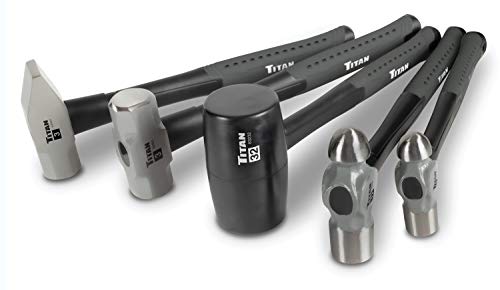
The best hammer set for most woodworkers is a 16-ounce smooth-face claw hammer paired with a 20-ounce framing hammer and a 12- to 16-ounce ball-peen hammer; add a soft-face mallet if you assemble furniture or work with finished surfaces. That mix covers delicate fitting, everyday nail driving, heavier framing, and metalwork without buying several tools that do the same job.
Before choosing a boxed set, check what is actually included. Many sets bundle several claw hammers in different weights, while useful combinations may include a mallet or specialty hammer. Head material, handle construction, face shape, and balance matter more than the number of pieces.
As an Amazon Associate we earn from qualifying purchases at no extra cost to you.



Compare the useful hammer types
| Hammer type | Typical head weight | Head and face | Best suited to | Main trade-off |
|---|---|---|---|---|
| Finishing claw | 12–16 oz | Steel; smooth or lightly textured face | Cabinet work, trim, small nails, general household repairs | Less striking force than a heavier hammer |
| General-purpose claw | 16–20 oz | Steel; usually smooth face | Workshop use, framing repairs, driving and pulling nails | Can feel tiring during delicate or prolonged work |
| Framing hammer | 20–28 oz | Steel; often milled or checkered face | Repeated nail driving in rough construction | More weight and a textured face can mark finished wood |
| Ball-peen | 12–24 oz | Steel; flat face and rounded peen | Light metal shaping, peening, and striking punches | Not designed for pulling nails |
| Soft-face mallet | 12–24 oz | Replaceable or fixed nonmarring faces | Fitting joints, tapping chisels where appropriate, and assembly | Faces may wear; less effective for driving nails |
Weights in the table refer to the head, not the complete hammer. The handle adds length and mass, so two hammers with identical head weights can feel noticeably different in use.
Choose by the work you actually do
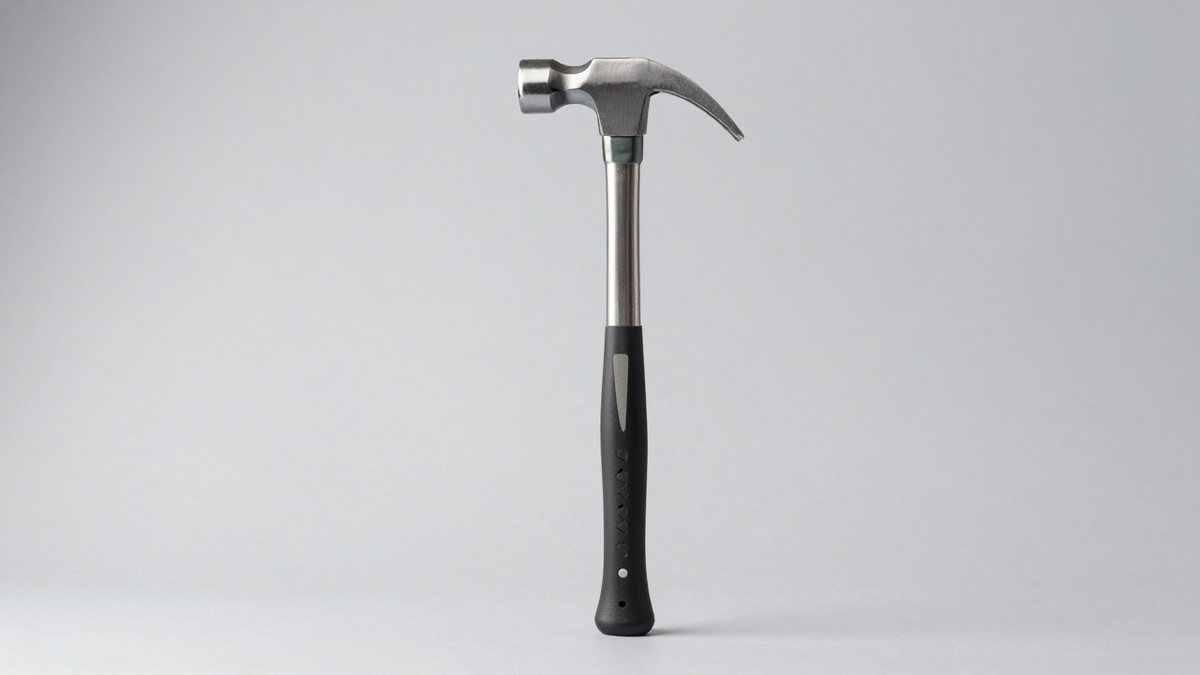
- For a small home and occasional repairs: Choose one 16-ounce smooth-face claw hammer with a fiberglass or steel handle and a cushioned grip. A basic set is worthwhile only if it adds a genuinely different tool, such as a small mallet.
- For a woodworking shop: Pair a 12- to 16-ounce claw hammer with a 12- to 16-ounce soft-face mallet. The claw handles nails and removal; the mallet seats joints without the same risk of denting a workpiece.
- For framing or frequent construction repairs: Add a 20- to 28-ounce framing hammer. A heavier head can drive large nails efficiently, but its weight and often-textured face are a poor match for delicate trim.
- For mixed wood and metal work: Add a 12- to 16-ounce ball-peen hammer if you strike punches or do light shaping. Keep it separate from your nail-driving hammer to avoid using the wrong face on a finished surface.
- For beginners or limited storage: Start with one balanced, midweight claw hammer. Learn to control it before adding specialist tools; a larger set takes space and does not automatically improve coverage.
What to look for in a set
Head material and face
Most general-purpose and framing hammer heads are forged steel. For ordinary shop work, the more important distinctions are secure head attachment, a face suited to the material, and a finish that resists corrosion. A smooth face is the safer choice for cabinetry, trim, and visible wood. A milled or checkered face grips nail heads better during framing, but can leave a distinctive mark if it slips.
Soft-face mallets may have nylon, urethane, rubber, or other replaceable faces. Their purpose is controlled impact with less marking, not guaranteed damage-free work: dirt trapped on a face can still scratch wood. Check whether replacement faces are available before choosing a mallet for regular use.
Handle construction and balance
Hickory is a traditional wood handle that absorbs some vibration and can be replaced, but it needs inspection for cracks, looseness, and damage near the head. Fiberglass is generally resistant to moisture and is often paired with a grip; if the shaft or head connection is damaged, repair options may be limited. Steel handles are durable but transmit more vibration, making grip design especially important during repeated work.
Handle length affects reach and swing leverage. A longer handle can help generate force, but it also needs more clearance and can be harder to control in a cramped cabinet or small repair. When possible, hold a hammer in a relaxed grip and make a few controlled practice swings: the head should track predictably, without forcing your wrist to correct its path.
Claw design and nail removal
A curved claw is useful for pulling common nails and can provide leverage against a scrap block. A straighter rip claw is better suited to prying and demolition, but it is not a substitute for a pry bar and can damage wood around a fastener. If nail removal is a frequent task, consider whether the claw opening fits the nails you use and whether the handle gives you enough leverage without placing the head awkwardly against the work.
When a multi-hammer set is worth it
A set earns its place when each hammer covers a different job. For example, a 16-ounce smooth-face claw hammer, a 22-ounce framing hammer, and a 16-ounce ball-peen hammer offer distinct capabilities. A box containing three similar claw hammers may add little value unless you need different weights or want to keep tools at separate workstations.
For a rough budget, basic single hammers commonly fall in the general range of about $10–$30, while better-finished or specialty models may cost roughly $25–$60 or more. Multi-piece sets vary widely; compare their total cost with buying only the tools you need. Prices change with handle materials, construction, and included accessories, so treat these as broad market ranges rather than fixed quotes.
Ownership: what wears first and how to avoid damage
On a claw hammer, inspect the handle and head connection first: wood can split, and any handle can loosen or become damaged. Check the striking face for chips or deformation, and retire a hammer with a cracked head or compromised handle rather than continuing to swing it. On a mallet, faces are usually the consumable part; replace them when they become loose, badly mushroomed, or too hard to protect the work.
- Wipe off moisture and debris after use, then store steel heads dry to limit rust.
- Do not use a hammer face to strike another hammer, a hardened punch, or an unintended metal object; chips can break away.
- Use a scrap block under a claw when pulling nails near a finished surface. This spreads the load and reduces dents.
- Keep the hammer aligned with the nail. Glancing blows can bend nails, damage the face, or mark nearby wood.
- Do not use a claw hammer as a pry bar or a ball-peen hammer for nail removal. Choose the tool designed for the force and contact involved.
Bottom line
For most woodworking and household repair, a well-balanced 16-ounce smooth-face claw hammer is the best first purchase. Build a set around your actual tasks: add a soft-face mallet for joinery and finished work, a heavier framing hammer for repeated construction, or a ball-peen hammer for light metalwork. Prioritize distinct functions, secure construction, and comfortable control over a high piece count.