What's inside
As an Amazon Associate I earn from qualifying purchases. This post may contain affiliate links at no extra cost to you.
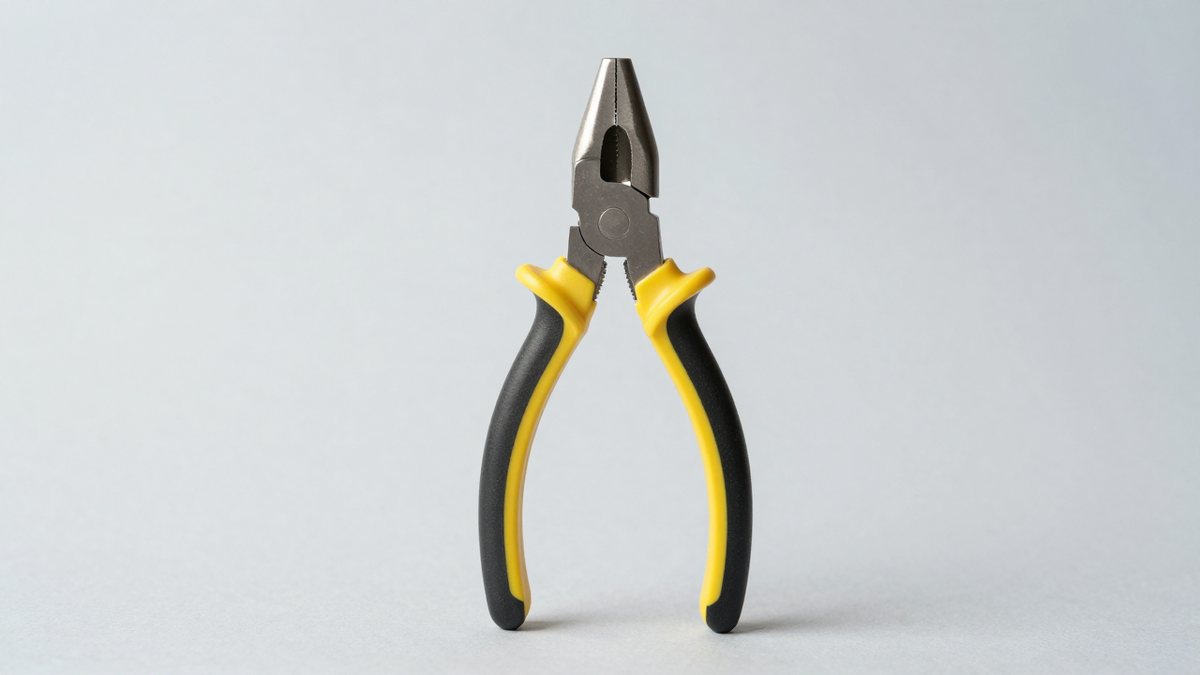
The best budget pliers set for most homeowners is a three- to five-piece set containing combination, long-nose, and diagonal-cutting pliers, with smooth-jaw alignment, molded grips, and hardened cutting edges; larger sets are worthwhile only if you regularly repair appliances, bicycles, vehicles, or workshop projects.
Low-cost pliers can be excellent for light and occasional work, but they usually compromise on hinge smoothness, handle comfort, cutting-edge life, and corrosion resistance before they compromise on basic gripping ability. The right choice depends less on the number of pieces than on whether the set includes the jaw shapes and sizes you actually use.
As an Amazon Associate we earn from qualifying purchases at no extra cost to you.

Our Top Picks
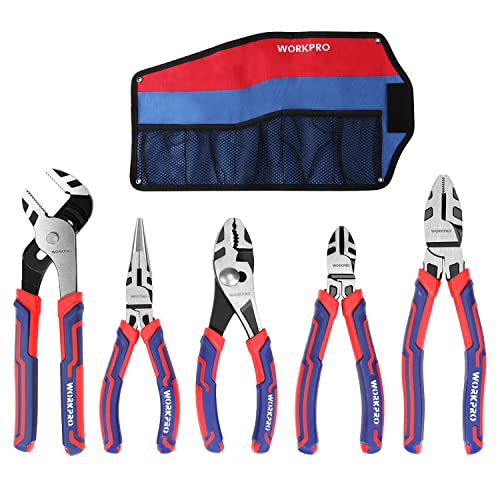
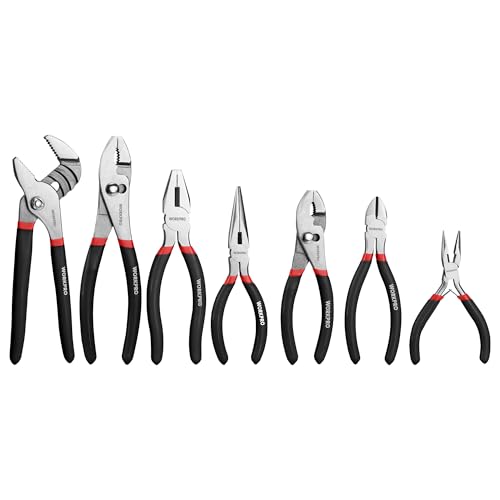

Quick comparison of budget pliers sets
| Set type | Typical contents | Typical length | Typical cutting capacity | Best use | Main compromise |
|---|---|---|---|---|---|
| Basic 3-piece set | 7-inch combination, 6-inch long-nose, 6-inch diagonal cutters | 6–7 inches | Soft wire up to about 2.0 mm; medium wire up to about 1.6 mm | Household repairs and light electrical work | Small jaws and limited leverage |
| General-purpose 4-piece set | Combination, long-nose, diagonal cutters, slip-joint | 6–8 inches | Soft wire up to about 2.5 mm; medium wire up to about 2.0 mm | Home maintenance and mixed workshop tasks | Slip-joint fit may be loose |
| Automotive-oriented set | Combination, long-nose, diagonal cutters, groove-joint, locking pliers | 7–10 inches | Soft wire up to about 3.0 mm; medium wire up to about 2.5 mm | Hoses, clamps, fasteners, and general mechanical work | Bulkier storage and less precision |
| Precision-plus-standard set | Standard combination and cutters plus 4.5–5-inch precision pliers | 4.5–8 inches | Precision cutters commonly rated for soft wire around 1.0–1.2 mm | Electronics, hobby work, and small mechanisms | Thin jaws are not suitable for twisting heavy wire |
These are useful buying ranges rather than universal ratings. Manufacturers measure cutting capacity differently, and a cutter rated for soft copper or aluminum wire should not automatically be used on hardened steel, piano wire, nails, or screws.
Best budget pliers set by situation
For occasional household repairs: choose a 3-piece set
A basic set is the best value if you need to pull staples, bend wire, hold small hardware, cut cable ties, or tighten a nut in an awkward place. Look for a 7-inch combination plier, a 6-inch long-nose plier, and a 6-inch diagonal cutter. This combination covers most infrequent repairs without filling a drawer.
Brands such as WORKPRO, IRWIN VISE-GRIP, and Craftsman commonly offer budget and mid-budget hand-tool lines with these familiar configurations. At the low end of the market, expect roughly $15–$30 for a three-piece set; pricing varies with promotions, coating, and warranty terms.
The important inspection is not the logo alone. Close each tool against a bright background. The jaws should meet across most of their width, and the cutting edges should close evenly without a visible gap at the tip.
For a mixed home workshop: choose a 4-piece set
Add a slip-joint plier when you work on plumbing fittings, brackets, garden equipment, or irregularly shaped parts. Its adjustable pivot gives it a wider range than combination pliers, although it is less precise and can mark finished surfaces.
A good general-purpose set should include:
- A 7- or 8-inch combination plier with serrated gripping jaws and a built-in cutter.
- A 6-inch long-nose plier with a tapered tip that still has useful jaw thickness behind the nose.
- A 6-inch diagonal cutter with a clearly defined cutting edge rather than a blunt notch.
- A 8- or 10-inch slip-joint plier with at least two pivot positions.
This is the sensible choice for someone who uses pliers several times a month. Typical market pricing is about $25–$50. Avoid paying for a ten-piece assortment if it simply repeats several nearly identical small pliers.
For vehicle and outdoor repairs: prioritize jaw size and leverage
Automotive and outdoor work rewards larger handles and deeper jaws. A 9- or 10-inch groove-joint plier can grip hose fittings and large nuts that a 6-inch tool cannot hold securely. Locking pliers are useful for clamping or freeing damaged fasteners, but they should not replace correctly sized wrenches on delicate hardware.
For this use, a five-piece set containing combination, long-nose, diagonal-cutting, groove-joint, and locking pliers is more useful than a large precision assortment. Check that the groove-joint pivot does not shift sideways when the handles are squeezed. Excessive side play makes the tool feel unstable and can cause the jaws to slip.
For electronics and hobby projects: choose small, precise pliers
Small tools are easier to control around circuit boards, model parts, jewelry findings, and thin wire. A 4.5- or 5-inch smooth-jaw plier is suitable for positioning parts, while a fine long-nose plier reaches confined spaces. Choose flush or near-flush cutters only for the wire sizes specified by the manufacturer.
Do not use small precision pliers to twist thick wire or remove nails. Their narrow jaws concentrate force at the hinge and tips, which can permanently misalign them. A set with three or four precision tools is worthwhile only when your work actually benefits from access and control; otherwise, a standard 6-inch long-nose plier is more versatile.
What to examine before buying
Jaw size and shape
Long, narrow jaws reach recessed terminals but have less leverage at the tip. Shorter, wider jaws grip more strongly and resist twisting. For general work, combination pliers with roughly 20–25 mm of usable serrated jaw length offer a better balance than extremely pointed jaws.
Groove-joint pliers should open wide enough for your common fittings, but maximum opening is not the only measure. At the widest setting, the jaws should remain reasonably parallel. If they form a sharp V, they may slip off round parts.
Grip comfort
Look for rounded, two-material handles without a hard seam directly under the fingers. Thick rubber-like overmolds improve comfort during sustained gripping, but soft coatings can tear if exposed to solvents, heat, or sharp edges. A compact handle is easier to store, while a longer handle usually delivers more leverage.
Insulated handles are not proof that a tool is safe for live electrical work. De-energize circuits and use tools specifically rated for the relevant electrical task when required.
Joint alignment and action
Open and close every plier if possible. The pivot should move smoothly without grinding, binding, or a loose sideways wobble. The jaws should remain aligned throughout their travel. A slight initial stiffness is acceptable; a hinge that rocks laterally is not likely to improve with use.
Budget tools often use a simple riveted pivot. That design is durable for household work but cannot be adjusted if it loosens. A bolted or serviceable joint is preferable for frequent workshop use.
Cutting performance
Cutting edges should meet from heel to tip and should be free of chips or rolled metal. Diagonal cutters with a short distance between the hinge and cutting edge generally provide more leverage than long, narrow cutters. For repeated cutting, use a dedicated cutter rather than the side cutter on combination pliers.
Never test a new cutter on hardened wire merely to see what it can do. One incorrect cut can nick the edge permanently. Cut softer materials first, and keep the workpiece fully inside the rated cutting zone rather than at the extreme tip.
Decision matrix for choosing your set
| Your situation | Recommended configuration | Minimum useful budget | Why |
|---|---|---|---|
| Under $25, fewer than five uses per month | 3-piece standard set | $15–$30 | Covers common repairs with minimal duplication |
| Small apartment or limited storage | Combination, long-nose, and diagonal cutters | $20–$40 | Six- to seven-inch tools fit a small drawer |
| Weekly workshop use | 4-piece set with slip-joint pliers | $25–$50 | Adds capacity for fittings and irregular parts |
| Vehicle, garden, or outdoor maintenance | 5-piece set with groove-joint and locking pliers | $35–$70 | Provides larger jaws and clamping ability |
| Electronics or fine hobby work | Precision long-nose and precision cutters plus standard pliers | $25–$60 | Improves access without forcing standard tools into delicate work |
Durability and ownership costs
The first parts to wear on inexpensive pliers are usually the cutting edges, pivot, and handle coating. Serrated jaws can become polished and slippery after repeated use, while unprotected carbon-steel surfaces can develop surface rust in a damp workshop. Stainless or chrome-plated finishes resist corrosion better, but finish alone does not indicate superior jaw alignment.
Clean dirt and adhesive from the jaws after use, wipe exposed metal dry, and place one small drop of light tool oil at the pivot occasionally. Open and close the tool several times, then wipe away excess oil so it does not attract grit. Do not file cutting edges or grind the jaws unless you are prepared to alter their geometry.
A simple cost-per-use check can prevent overbuying. A $24 three-piece set used 40 times over five years costs about $0.20 per tool-use event when the set is treated as one purchase: $24 ÷ 40 = $0.60 per set use, or about $0.20 per individual tool used each time. A $55 larger set used only five times costs $11 per use. For occasional repairs, the smaller set is often the better investment.
Bottom line
For most homes, buy the best budget pliers set with three properly aligned tools rather than the largest assortment. Choose a four-piece set when you regularly encounter fittings or irregular parts, and move to a larger automotive-style set only when you need wide jaws and clamping force. Whatever the price, reject tools with uneven cutters, excessive hinge play, sharp handle seams, or jaws that fail to meet cleanly.