What's inside
As an Amazon Associate I earn from qualifying purchases. This post may contain affiliate links at no extra cost to you.
If your saw calls for a 30 9/16 bandsaw blade, you’re almost certainly running a compact portable band saw — most commonly the Milwaukee M18 FUEL 2829 or 2729 series, plus similar deep-cut compacts from other makers — and the right blade for you depends on the material you cut most: 18 TPI for thin conduit and strut, 14 TPI for general-purpose cutting, and 10/14 variable pitch for mixed stock and thicker bar.
As an Amazon Associate we earn from qualifying purchases at no extra cost to you.


Our Top Picks
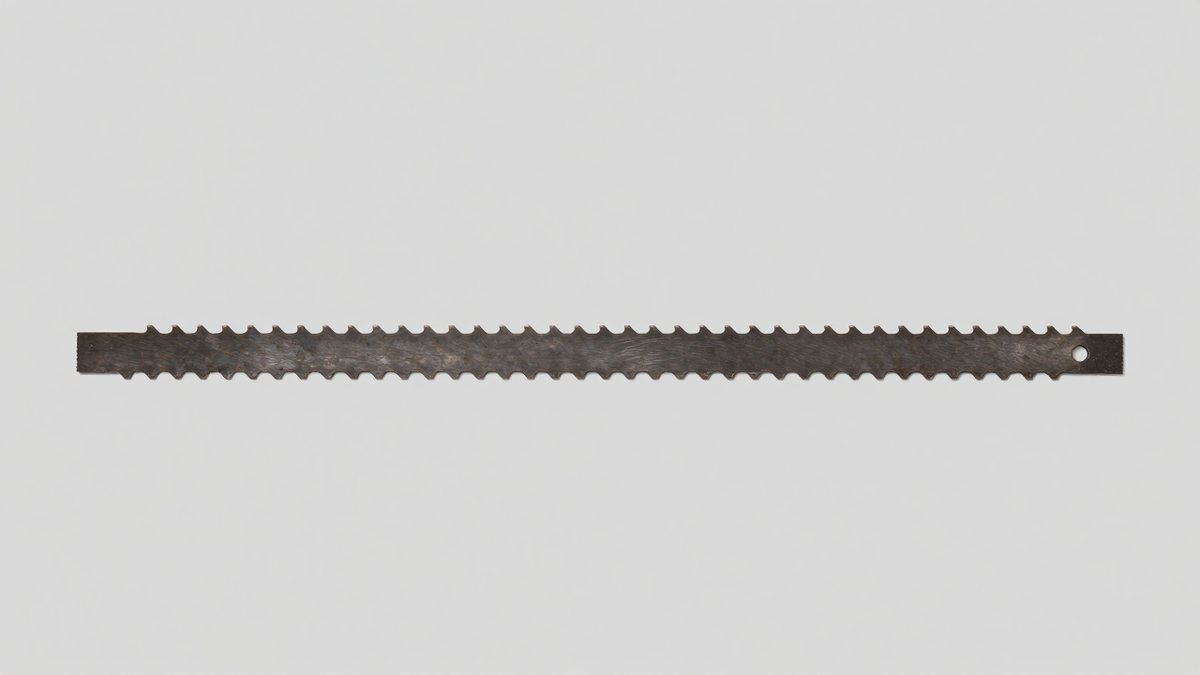
 Milwaukee 48-39-0631 30-9/16" 12/14 TPI Compact Extreme Thick16 x 7 x 0.1 Inches1 PoundsCheck on Amazon


Which Saws Take a 30-9/16 Bandsaw Blade
A 30-9/16 bandsaw blade is the standard length for compact band saws, sitting between the 27-inch sub-compact format and the 44-7/8-inch full-size deep-cut saws. Confirmed fits include:
- Milwaukee M18 FUEL Compact Band Saw (2829 series) — the most common reason people search “milwaukee 30 9/16 bandsaw blade”
- Milwaukee M12 sub-compact? No. The M12 2429 uses 27-inch blades — a common ordering mistake
- Milwaukee corded compact (6232-20 family) — check your manual; some older compacts use 35-3/8-inch instead
- Compact band saws from DeWalt, Makita, and Bosch in the 3-1/4-inch cut capacity class — most accept the 30-9/16 spec, but always verify against the tool’s data plate
The fit rule is simple: the blade must match within about ±1/16 inch for the saw’s tensioning system to compensate. A 30-5/8 or 30-1/2 blade may work on some saws, but anything further off won’t tension correctly and will track poorly or slip off the wheels.
Width, TPI, and Material: The Three Specs That Matter
Beyond length, three numbers define a blade:
| Spec | Options at 30-9/16″ | What It Controls |
|---|---|---|
| Width | 1/2 inch (nearly universal) | Beam strength, ability to cut curves |
| Thickness | 0.020–0.025 inch | Kerf width, resistance to twisting |
| TPI | 8/11, 10/14, 14, 18, 24 | Cut finish and speed vs. stock thickness |
| Tooth material | Bi-metal (M42 cobalt edge) | Heat resistance, blade life |
The 3-tooth rule governs TPI: at least three teeth should be in contact with the material at all times. Cutting 1/8-inch-wall EMT conduit with 10 TPI leaves fewer than two teeth engaged, which strips teeth fast. That’s why electricians overwhelmingly buy 18 TPI — and why the Milwaukee band saw blades 30 9/16 multipacks lean heavily on that pitch.
The Blades Worth Buying in 2026
Prices below are general market ranges; multi-packs consistently beat singles on per-blade cost.
Milwaukee 48-39-0531 / 30-9/16″ Compact Blades (14, 18, and 24 TPI)
The OEM option and the safest choice for Milwaukee owners. Bi-metal M42-style construction, typically sold in 3-packs at roughly $30–$45. The 18 TPI version (48-39-0535 and related SKUs) is the workhorse for conduit and strut; 14 TPI handles thicker stock like 1-1/2-inch angle iron. Tooth geometry is optimized for the saw’s own blade speed, which matters more than people expect — mismatched pitch on a high-speed saw generates heat and kills blades early.
DeWalt DW3986 / DW3987 30-9/16″ Portable Band Saw Blades
DeWalt’s compact-saw blades in 14/18 TPI variable and straight pitches, generally $25–$40 for a 3-pack. Fully compatible with Milwaukee compacts — the 30-9/16 spec is cross-brand. A solid pick if you find them cheaper than Milwaukee packs; performance differences between the two OEMs are marginal in real use.
Imachinist and FoxBC Aftermarket Bi-Metal Blades
Budget aftermarket options, often $15–$25 for 3–5 blades. Quality varies by seller generation, but current bi-metal offerings are adequate for weekend and light-trade use. Expect roughly 50–70% of OEM blade life in hard stock. For occasional users, that math still favors aftermarket.
Morse Master Cobalt and Lenox Diemaster-Style Portables
Industrial brands offering premium tooth alloys, typically $15–$20 per blade. Worth it only if you cut stainless, hardened fasteners, or high volumes daily — the extra cost pays back in fewer blade changes, not faster cuts.
Decision Matrix: Match the Blade to Your Job
| Your Situation | Recommended Blade | Why |
|---|---|---|
| Electrician, daily EMT/rigid conduit | 18 TPI bi-metal, OEM (Milwaukee or DeWalt) | Keeps 3+ teeth in thin walls; blade life matters at volume |
| Plumber cutting copper + steel mixed | 14 TPI or 10/14 variable pitch | Variable pitch clears chips in soft copper without clogging |
| DIYer, occasional all-thread and angle iron | 14 TPI aftermarket 3-pack | Lowest cost per cut at low frequency |
| Cutting stainless or hardened stock | Cobalt M42 premium blade, 14 TPI | Heat resistance; standard teeth dull fast on stainless |
| Fine finish cuts on thin sheet/trim | 24 TPI | Smoothest cut, but only on stock under ~1/8 inch |
Cost-Per-Blade Math
Worked example: an electrician cutting 20 pieces of conduit per day. An OEM 3-pack at ~$36 costs $12 per blade and typically lasts 2–3 weeks of that duty — roughly $0.40–$0.60 per day. A $5 aftermarket blade lasting 4–5 days costs ~$1.10/day and adds downtime. At daily-use volumes, the premium blade is the cheaper blade. At monthly-use volumes, flip that math entirely.
Ownership Realities: What Wears Blades Out
- Heat, not abrasion, kills most blades. Forcing the cut on thick stock overheats teeth. Let the saw’s weight do the work on stationary-mounted compacts.
- Stripped teeth = wrong TPI, almost always. If teeth shear off, you had fewer than three engaged. Move up in TPI before blaming the blade.
- Blade guides wear before the wheels. Check guide rollers when a new blade tracks badly — $10 rollers are often the actual problem.
- Blades dull from the first cut on hard stock. Common practice in the trades: “break in” a new blade with light feed pressure for the first few cuts to prevent micro-chipping.
- Storage matters. Fold blades in the 3-loop method and keep them dry — surface rust pits the tooth edge and shortens life noticeably.
FAQ
Will a 30-5/8 or 30-1/2 inch blade fit my saw?
Sometimes — most compact saws have enough tension travel for ±1/16 inch. Check your manual’s blade spec range rather than guessing.
Are Milwaukee 30 9/16 band saw blades worth the premium?
For daily trade use, yes — the per-day cost math favors them. For occasional use, quality aftermarket bi-metal blades are fine.
Can I cut wood with a compact band saw blade?
You can, but don’t buy a dedicated wood blade for this saw — compact saws run fast surface speeds that suit metal pitches. An 8/11 or 10/14 variable pitch handles wood acceptably.
How do I know when the blade is done?
Increased feed pressure needed, wandering cuts, visible rounded or missing teeth, and a blue heat tint on the back edge all signal replacement time.