What's inside
As an Amazon Associate I earn from qualifying purchases. This post may contain affiliate links at no extra cost to you.
Our Top Picks
 IRWIN Vise-Grip North American Lineman's Pliers9.5 inches11.61 x 12.59 x 1.1 inches1 PoundsCheck on Amazon


Best Lineman Pliers for Cutting and Electrical Work
For most wire work and general repairs, choose 9-inch lineman pliers with forged steel jaws, a tight, durable joint, and clearly marked insulation rated for the voltage involved; step down to 8 inches for tighter spaces or up to 10 inches when extra leverage matters more than weight. The best choice depends on what you cut, how often you use the tool, and whether you need insulated handles for electrical safety.
Choose by job, not just jaw size
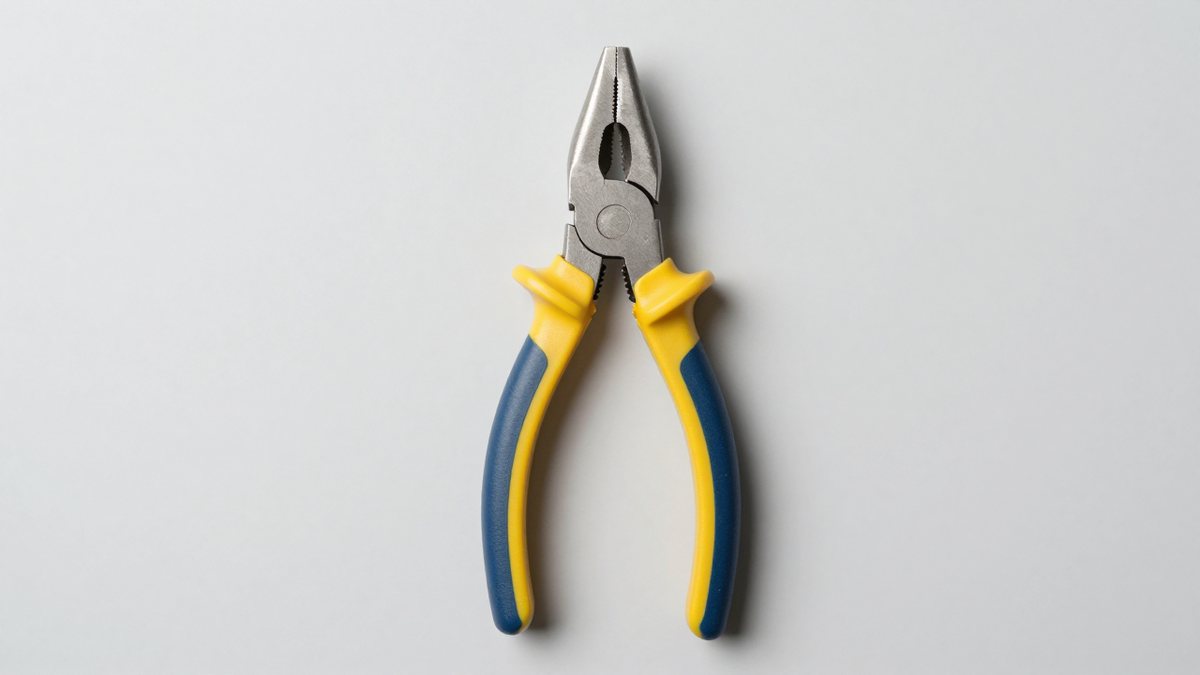
Lineman pliers—also called lineman’s pliers, combination pliers, or electrician’s pliers—pair gripping jaws with a cutting edge near the pivot. That makes them useful for twisting and holding wire, cutting conductors, pulling staples, and general repair work. They are not interchangeable with every electrical tool: use dedicated wire strippers for stripping insulation and cable cutters for large conductors where the manufacturer specifies them.
As an Amazon Associate we earn from qualifying purchases at no extra cost to you.


- Occasional household repairs: An 8-inch model is easier to carry and maneuver. Look for a comfortable grip and a cutting edge intended for common copper wire.
- Frequent electrical or maintenance work: A 9-inch model is a practical balance of reach, leverage, and control. A well-made joint and clearly stated cutting capacities matter more than extra features.
- Heavy-duty gripping and cutting: Consider a 9- or 10-inch high-leverage design. Its longer handles can reduce the hand force needed, but the added bulk can make close work awkward.
- Work on or near energized systems: Use only tools specifically rated and marked for the applicable voltage, and follow safe-work procedures. Insulated handles alone do not make a tool safe for live work.
Size and feature comparison
The figures below are representative ranges for common tool sizes, not guaranteed specifications for every model. Cutting capacity varies substantially by design and by wire material, so check the manufacturer’s capacity chart before buying.
| Tool type | Typical length | Typical weight | Best fit | What to verify |
|---|---|---|---|---|
| Compact lineman pliers | 7–8 in | 8–12 oz | Tool bags, cramped panels, light repairs | Jaw reach and rated copper-wire capacity |
| Standard lineman pliers | 8–9 in | 10–16 oz | General electrical and household work | Joint play, cutting-edge alignment, grip comfort |
| High-leverage lineman pliers | 8–9 in | 12–18 oz | Repeated cutting and gripping with less hand effort | Handle geometry and published cutting capacity |
| Long lineman pliers | 9–10 in | 14–22 oz | Extra leverage or reach for heavier repair tasks | Whether the tool fits the work area and your hand |
Weight ranges are approximate and can differ with handle material and construction. Do not infer a tool’s wire capacity from its length: a compact model may cut a particular conductor cleanly while a longer general-purpose model may not be rated for it.
What separates a good pair from a frustrating one
Cutting capacity and edge design
Check the stated limits for the materials you actually handle, such as copper, aluminum, or soft steel. A tool’s capacity for copper does not automatically apply to steel wire, piano wire, or hardened fasteners. Forcing an undersized cutter can nick or chip its edges, deform the joint, or leave a dangerous ragged cut. If steel wire is part of the job, buy a model whose manufacturer explicitly lists an appropriate steel-wire rating.
For routine electrical work, a clean, even cut is more useful than a vague “heavy duty” label. Inspect the edge alignment: the cutting surfaces should meet consistently rather than leaving a visible gap that pinches wire without severing it.
Joint strength and leverage
The pivot carries substantial force during cutting. A loose joint can let the jaws shift, reducing cutting quality and making the tool harder to control. Before buying, open and close the pliers: movement should feel smooth, with no obvious sideways wobble. Forged steel construction is common in durable models, but the joint fit and edge finish still matter.
High-leverage designs place the pivot closer to the jaws or otherwise change the handle geometry to increase cutting force. The trade-off is that the handles may open wider, and the tool can feel less nimble. If you make occasional cuts, a conventional model may be easier to handle; for repeated work, leverage can reduce fatigue.
Handle insulation: grip is not a voltage rating
Many lineman pliers have dipped or molded grips intended for comfort and slip resistance. Those are not necessarily insulated tools. For electrical work requiring a rated insulated tool, look for clear voltage markings and certification information on the tool and packaging, such as an applicable IEC 60900 marking. Follow the tool maker’s instructions and inspect the insulation before use. Cuts, cracks, chemical damage, or exposed metal beneath a damaged grip are reasons to remove the tool from electrical service.
Even a properly rated insulated tool is only one part of a safe work method. De-energize and verify circuits whenever possible; use qualified procedures and appropriate protective equipment for the task.
Match the purchase to your use
| Your situation | Practical choice | Why |
|---|---|---|
| Homeowner, occasional repairs, tight storage | 8-inch standard model | Lower bulk is convenient; avoid paying for capacities you will not use. |
| Apprentice or regular maintenance work | 9-inch forged model with a well-fitted joint | A versatile size balances reach and control as tasks vary. |
| Frequent cuts on correctly specified wire | High-leverage model with published capacities | Geometry can reduce effort, while ratings help prevent overloading the cutter. |
| Electrical work where insulated tools are required | Voltage-marked, certified insulated model in the needed size | Grip color or soft material alone does not establish electrical protection. |
| Occasional heavy repair involving hard or large material | Purpose-built cutter or larger rated pliers | Use the tool designed and rated for that material rather than forcing standard jaws. |
Ownership: keep the joint and edges in good shape
Wipe the jaws and pivot after dirty work, then apply a small amount of light tool oil to the joint if the manufacturer permits it. Open and close the pliers to distribute the oil, and wipe away the excess so it does not collect dust. Keep the cutting edges dry when storing the tool, and avoid using them as a hammer, pry bar, or substitute for a wrench; side-loading the jaws can misalign the pivot.
The cutting edges and joint are usually the first areas to show problems. Watch for chipped edges, increasing looseness, corrosion, or cuts that begin crushing rather than severing wire. Do not sharpen an insulated tool unless its manufacturer allows it: removing material can alter the cutting geometry and may damage protective surfaces. Replace a damaged insulated tool rather than relying on tape or a new grip to restore its rating.
Price and final choice
As a broad 2026 market guide, basic non-insulated lineman pliers commonly fall around $10–$25, while premium or high-leverage designs often run about $25–$50. Certified insulated models can cost roughly $40–$100 or more, depending on size and features. These are general ranges, not quotes; compare the specified material capacities and electrical ratings rather than price alone.
For one versatile pair, start with a 9-inch forged model and confirm that its listed cutting capacity matches your usual wire. Choose 8 inches for portability, a high-leverage design for repeated cuts, or a certified insulated pair when the work requires rated electrical protection. The right lineman pliers are the ones whose capacity, joint, and handle construction suit the actual job—not simply the largest or most heavily marketed model.