What's inside
As an Amazon Associate I earn from qualifying purchases. This post may contain affiliate links at no extra cost to you.
Our Top Picks
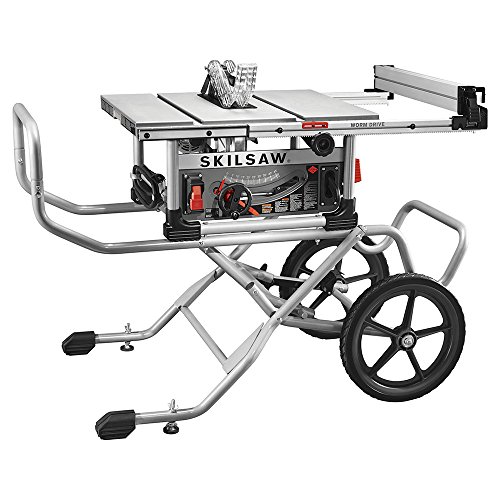 SKIL 10 Inch Heavy Duty Worm Drive Table52.6 x 29.5 x 35 inches52.6 x 29.53 x 35.08 inches94.3 poundsCheck on Amazon

The short answer
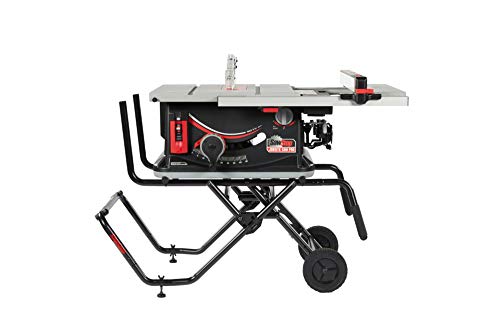
The Skilsaw SPT99-11 is the better fit for repeated ripping of framing lumber, plywood, and other sheet goods when you need a portable saw that can move around a jobsite. Its larger table and generous rip capacity make it easier to support and size stock. The SawStop Jobsite Pro is the stronger choice if its flesh-detection brake, compact storage, and rolling stand matter more than maximum support for wide panels.
Neither saw makes repeatable cuts by itself. Accurate results depend on a parallel fence, a stable setup, a sharp blade, and consistent feed. The key difference is what each saw gives you: the Skilsaw prioritizes cutting capacity and jobsite utility; the SawStop adds a serious safety system in a more compact package.
As an Amazon Associate we earn from qualifying purchases at no extra cost to you.


Specifications that matter
| Feature | Skilsaw SPT99-11 | SawStop Jobsite Pro |
|---|---|---|
| Blade | 10 inches | 10 inches |
| Motor | 15-amp worm-drive motor | 15-amp motor |
| Maximum rip to the right | 30-1/2 inches | 25-1/2 inches |
| Safety brake | No flesh-detection brake | Brake system designed to stop the blade on contact with skin |
| Stand and storage | Folding stand with wheels | Compact folding cart and onboard storage |
Published specifications can vary slightly by configuration and revision, so check the exact package before buying. A 30-1/2-inch rip capacity is useful for breaking down a 4-by-8-foot sheet into wide strips, but it does not mean the whole sheet is easy to handle alone. The SawStop’s 25-1/2-inch capacity is enough for many cabinet parts and common framing cuts, but it limits the width of a single rip.
Repeatable rips in practice
The SPT99-11’s wider table and fence range give it an advantage when you routinely cut wide stock. With a properly aligned fence, its worm-drive motor is designed to maintain power under load, which is useful when feeding dense lumber or long strips. That does not make it immune to bogging: a dull or inappropriate blade, a tight knot, or pushing too fast can still slow the cut, burn the edge, or pull the work off line.
The Jobsite Pro is capable of accurate repeat cuts, too. Its narrower rip range is a practical constraint rather than an accuracy defect. For repeated 3-inch or 12-inch cuts, the limiting factors are still fence alignment and how consistently the stock stays against the fence. Before production work, check that the fence locks parallel to the blade at both ends. A small error becomes noticeable across a long rip and can cause binding or a rough edge.
For either saw, set the blade roughly 1/8 to 1/4 inch above the material, use a sharp blade suited to the cut, and support long or wide pieces at the same height as the table. Never use a hand or a loose scrap to catch a falling offcut. Use a push stick when your hand would approach the blade, and keep the riving knife and blade guard installed for through-cuts.
Safety and setup
The SawStop’s main distinction is its brake, which is designed to stop the blade quickly when it detects contact with skin. It is a meaningful layer of protection, not permission to remove guards or work carelessly. The brake cartridge is a consumable part of the system: an activation can damage the cartridge and blade, so check replacement cost and availability before purchase. Wet or conductive material can also trigger the system, and the bypass mode should be used only when the material requires it and the operator understands the added risk.
The Skilsaw has no comparable flesh-detection system. Its lower purchase cost can make sense for crews already trained in safe table-saw procedure, especially when the saw sees rough framing duty and wide ripping is frequent. If several people with different experience levels use the saw, the SawStop’s added protection may be worth paying for.
Both are portable saws, not cabinet saws. Their stands need firm, level ground; a soft or sloped surface can shift under a long feed. Check the fence and blade alignment after transport, since a hard bump can undo a careful setup. If the fence does not lock consistently or stock pinches between blade and fence, stop and correct the setup rather than forcing the cut.
Which one should you buy?
Choose the Skilsaw if your priority is capacity, frequent wide ripping, and a jobsite-ready saw that will be moved between locations. It is the more practical pick when you often break down sheet goods and can provide outfeed support. Compare current SPT99-11 availability and confirm the listing includes the stand and accessories you expect.
Choose the SawStop Jobsite Pro if the brake system is a deciding safety feature, or if compact storage and transport matter more than the extra 5 inches of right-side rip capacity. It is not automatically the better saw for every shop: the brake adds cost and upkeep, and its narrower support range may require a track saw or another setup for wide sheet breakdown. Check the Jobsite Pro configuration carefully; packages can differ.
If most of your cuts are under 25 inches wide and you already have a safe workflow, the cheaper Skilsaw is the sensible buy. If the SawStop’s brake changes whether you feel comfortable using a table saw, that benefit is more important than a modest difference in rip capacity. For either choice, budget for a quality blade and proper material support—those often improve repeatability more than upgrading between these two saws.