What's inside
As an Amazon Associate I earn from qualifying purchases. This post may contain affiliate links at no extra cost to you.
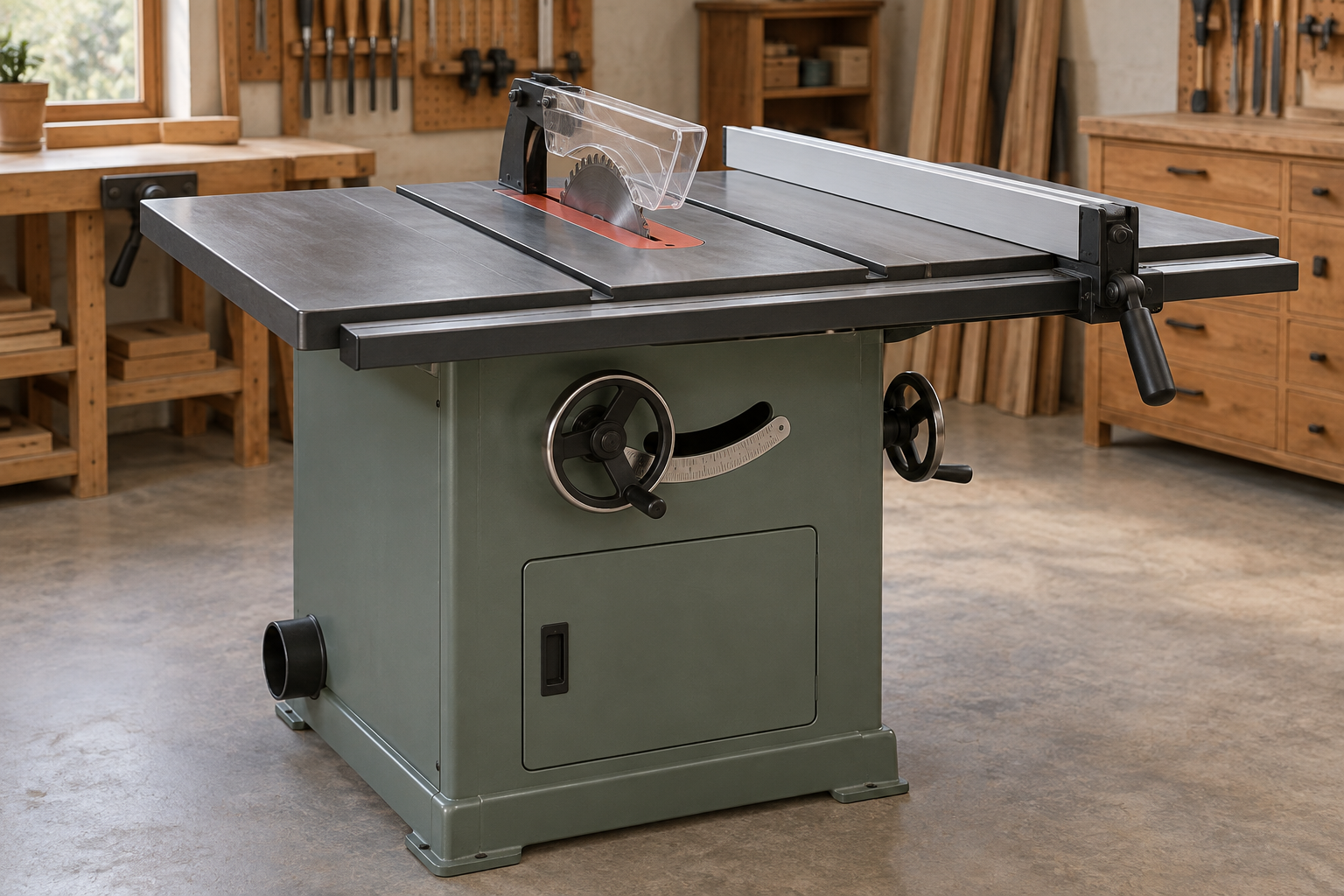
Ripping a narrow strip on a table saw is where a good push block earns its keep. A standard push stick may keep your hand away from the blade, but it often gives poor downward pressure and little control as the workpiece passes the fence. For strips under about 2 inches wide, especially on a saw with a short table, the right push block can improve both safety and cut quality.
The best choice is usually not the biggest or most complicated accessory. It is a block that holds the stock down, pushes it forward without slipping, and lets you keep your hand well away from the blade. For many users, a low-profile push block with a replaceable heel is the most useful design.
As an Amazon Associate we earn from qualifying purchases at no extra cost to you.


Our Top Picks
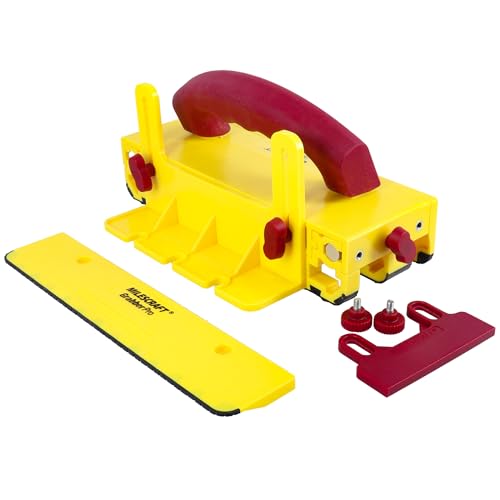
 GRR-RIPPER+ by Microjig. Includes SafeRip Kit. Fully Adjustable7.9 x 3.9 x 7.9 inchesCheck on Amazon


What Makes a Push Block Good for Narrow Strips
A narrow rip cut creates three separate control problems: the workpiece can lift, drift away from the fence, or twist as it reaches the blade. A useful push block addresses at least two of these problems at once.
Look for a broad, grippy contact surface that applies downward pressure over several inches of the board. A small push stick usually applies force only at the back edge. That is adequate for wider stock, but a narrow strip can tilt before the hook engages. A block with a heel or replaceable pushing hook gives positive forward drive while the top surface keeps the board flat.
Clearance matters too. The block should be low enough to pass beneath a compact blade guard or close to the fence, but not so low that your fingers are forced toward the blade. A handle that keeps your hand at least 6 inches from the blade is a sensible minimum; more distance is better when the cut allows it.
For a dedicated narrow-strip setup, consider a table saw push block with a replaceable heel. The replaceable part is useful because the heel will eventually get nicked by the blade or worn smooth. It is cheaper to replace an insert than the whole tool.
Push Block Types Compared
| Type | Best use | Strengths | Limitations |
|---|---|---|---|
| Basic push stick | General ripping of medium and wide boards | Cheap, simple, easy to replace | Limited downward pressure; poor control on very narrow stock |
| Low-profile push block | Narrow strips and cuts close to the fence | Good grip, downward pressure, compact clearance | Heel can wear or be cut if positioned carelessly |
| Handle-style push block | Repeated ripping and thicker stock | Comfortable grip and strong forward control | Can be bulky around a fence or blade guard |
| Two-piece push-block set | Long boards and changing cut conditions | One tool can guide while the other pushes | Costs more and requires better coordination |
| Shop-made push shoe | Special widths, jigs, or occasional work | Can match your saw and stock exactly | Needs careful construction and regular inspection |
A basic push stick is still fine if you are cutting 1-by or 2-by material and can maintain firm control without reaching over the blade. It is also a good backup tool. The low-profile block becomes worthwhile when you routinely cut strips around 1 inch wide or less, work with slippery plywood, or need to maintain pressure against a tall fence.
Best Choice for Most Users
For general shop use, choose a low-profile push block with a non-slip pad, a visible heel, and a handle that keeps your wrist neutral. The grip should not require you to pinch tightly. Fatigue leads to inconsistent pressure, and inconsistent pressure is how a strip starts wandering away from the fence.
Check the heel position before every cut. It should contact the trailing end of the workpiece without sitting in the blade’s path. If the heel is too low, it may scrape the table or catch on a damaged edge. If it is too high, it can lift the board rather than drive it forward.
A low-profile table saw push block is generally the better buy than a large multi-piece kit for a homeowner who makes occasional cabinets, shelves, or trim. Kits make more sense when you frequently switch between narrow ripping, crosscut support, and sheet goods.
How to Make the Cut Safely
Set the fence carefully and measure from the blade teeth that face the fence, not from the blade body. Lock the fence, then check the measurement at the front and rear of the blade. A fence that is not parallel can pinch the offcut or push the stock into the blade.
Keep the riving knife installed and use the blade guard whenever it does not interfere with the operation. The riving knife helps prevent the kerf from closing behind the blade. Never remove it simply because the strip is narrow. If the guard or riving knife cannot be used with a particular setup, stop and choose a different method or jig.
Start the cut with the stock firmly against the fence and the push block on top, slightly behind the blade. Feed at a steady rate. Do not stop with the workpiece partly through the blade unless the saw has been switched off and the blade has stopped completely.
As the trailing end approaches the blade, move the push block so its heel continues driving the stock. Keep your other hand on the infeed side, well away from the blade and never directly in line with it. Once the stock is past the blade, maintain control until it has cleared the rear of the table.
Common Failures and Trade-Offs
The most common mistake is using a push block that is too large for the cut. A bulky handle can hit the fence, forcing the operator to rotate the block and lose downward pressure. A second mistake is relying on a rubber pad that is dirty or worn. Sawdust and pitch can reduce grip dramatically; clean the pad and replace it when it becomes hard or glossy.
Some blocks prioritize grip with soft rubber. They work well on plywood and finished boards, but the material can drag on rough lumber and make feeding uneven. Hard plastic slides more easily but gives less traction. Replaceable pads offer a useful compromise, though they add cost.
If you only make a few narrow rips each year, a quality push stick or a carefully made shop push shoe may be enough. For frequent work, buy a table saw push shoe that matches the height of your fence and the clearance around your blade guard. The right fit matters more than a long feature list.
When to Use Another Method
Do not force a table saw to make an awkwardly narrow cut if the setup feels crowded. For strips under roughly 1/2 inch, a bandsaw with a tall fence, a router setup, or a dedicated ripping jig may offer better control depending on the material. A featherboard can help hold stock against the fence, but it does not replace a push block and should never be positioned where it can trap the workpiece against the blade.
Before buying, measure the gap between your fence and blade guard, inspect the block’s heel and pad, and confirm that your hand stays comfortably behind the blade line. Those three checks will tell you more than the packaging does.