What's inside
As an Amazon Associate I earn from qualifying purchases. This post may contain affiliate links at no extra cost to you.
Our Top Picks
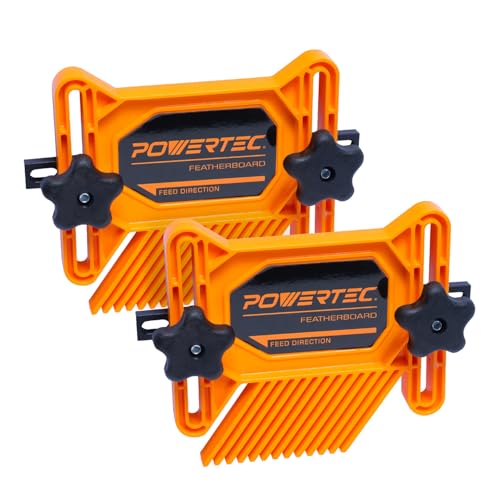 POWERTEC Universal Tandem Featherboards for Table SawFeatherboards (2PCs)10.63 x 7.5 x 2.5 inchesCheck on Amazon
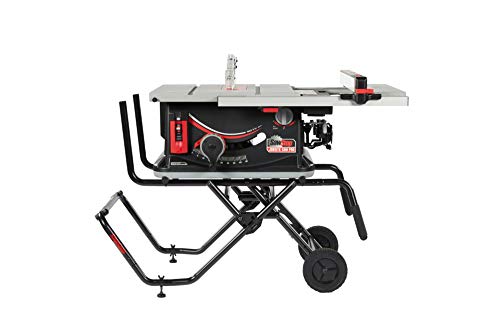


The short version
The SawStop Jobsite Pro and Ridgid R4518 are both wheeled, jobsite-style table saws, but they serve different budgets and priorities. The SawStop costs substantially more in exchange for its flesh-detection brake system, a more polished fence and storage setup, and strong support for frequent jobsite use. The Ridgid is a more affordable choice for trim carpentry, especially if it will mostly cut shelving, casing stock, and other material that does not demand cabinet-saw precision.
For finish work, neither saw is automatically accurate just because it has a fence and a stand. Check the blade-to-miter-slot alignment, verify the fence with a square, and make a test cut before trusting either machine with expensive stock. The more useful buying question is whether the SawStop’s safety system and refinements justify the extra expense for your work.
As an Amazon Associate we earn from qualifying purchases at no extra cost to you.

At a glance
| Consideration | SawStop Jobsite Pro | Ridgid R4518 |
|---|---|---|
| Best fit | Frequent site work; buyers who prioritize the brake system | Budget-conscious trim and general remodeling |
| Blade | 10-inch, standard table-saw blade | 10-inch, standard table-saw blade |
| Cutting capacity | About 25½ inches to the right of the blade | About 27 inches to the right of the blade |
| Stand | Integrated wheeled jobsite stand | Wheeled folding stand |
| Safety distinction | Active flesh-detection brake; cartridge and blade replacement may be needed after activation | Conventional blade guard and riving-knife safety setup; no flesh-detection brake |
| Value | Higher purchase price and added safety technology | Lower entry cost; capable when properly set up |
Specifications can vary by package or revision, so check the current manual and listing before buying. The stated rip capacity is not a promise that either saw will cut a full sheet comfortably on its own; large panels need proper outfeed and side support.
Fence and accuracy for trim work
Trim carpentry exposes small errors. A fence that drifts, a blade that is slightly out of parallel, or a poorly supported narrow strip can leave a visible gap at a joint. The Jobsite Pro is the more refined choice if you set the fence repeatedly and need it to lock consistently. Its larger rip capacity is not the main advantage for most casing or baseboard cuts; repeatability and a square setup matter more.
The R4518 can also produce clean, accurate cuts, but treat setup as part of the purchase. Confirm that the fence stays parallel to the blade through its travel, and make a series of test cuts before ripping finish stock. If the cut starts to pinch or show burn marks, stop and check alignment rather than pushing harder. A sharp, appropriate blade matters too: the supplied general-purpose blade may be adequate for rough work, but a quality fine-finish blade can improve edges on veneered panels and paint-grade trim.
For long boards, the practical limitation is often support, not motor power. A long length of baseboard can tip or bind if it is not supported at the same height as the table. Add a stable roller or outfeed support, and keep your hands clear of the blade path. For repeat narrow rips, a table-saw featherboard can help hold stock against the fence, but it is not a substitute for safe hand placement or a properly adjusted guard.
Safety, maintenance, and real costs
The SawStop’s defining feature is its brake system, designed to stop the blade when it detects contact with skin. It is a meaningful extra layer of protection, not permission to work carelessly. Activation can damage the brake cartridge and blade, so budget for replacement parts and follow the manufacturer’s instructions after an event. Wet, treated, or otherwise electrically conductive material can also affect operation; check the manual for material compatibility and bypass procedures rather than guessing.
The Ridgid relies on conventional safeguards: use the blade guard and riving knife where the cut allows, keep the workpiece flat, and avoid reaching over a moving blade. Those measures work only if they are installed and used. A missing guard, a removed riving knife, or a rushed cut can erase much of the practical safety advantage of any saw setup.
Both machines need regular attention. Clear dust from the table and fence rails, inspect the blade for pitch buildup or damage, and verify that the stand locks securely before cutting. A loose stand or debris caught at the fence can turn a routine rip into a bind. If the saw will live in a van and be unloaded daily, compare folded size and lifting weight as well as cutting specifications; a “portable” saw still needs to be manageable for the person moving it.
Which one should you buy?
Choose the SawStop Jobsite Pro if you use a table saw often, share a shop with other people, or place high value on the added protection of its brake system. Its higher price is easier to justify for a working carpenter than for an occasional homeowner, particularly when repeated setup and fence adjustments are part of the day.
Choose the Ridgid R4518 if your budget is firm and your work is occasional or moderate in volume. It can handle common trim and remodeling cuts when carefully aligned, supported, and paired with a suitable blade. The cheaper saw is fine when it is set up correctly and the operator follows safe practices; paying more does not fix poor technique or inadequate work support.
If your main work is cutting long trim to length, consider whether a miter saw should do more of the job. A table saw is useful for ripping stock to width, but it is a poor substitute for stable crosscut support on long boards. For a mix of ripping and repeat crosscuts, a table-saw crosscut sled can improve control on suitable short pieces. If you will regularly rip sheet goods, also price a table-saw outfeed support so the work does not sag behind the blade.
In short, buy the SawStop for its safety system and more work-oriented refinements; buy the Ridgid when lower cost is the deciding factor and you are willing to verify the setup yourself. For either saw, a straight fence, sharp blade, secure stand, and supported workpiece will make a bigger difference to trim quality than a headline rip-capacity number.