What's inside
As an Amazon Associate I earn from qualifying purchases. This post may contain affiliate links at no extra cost to you.
Our Top Picks
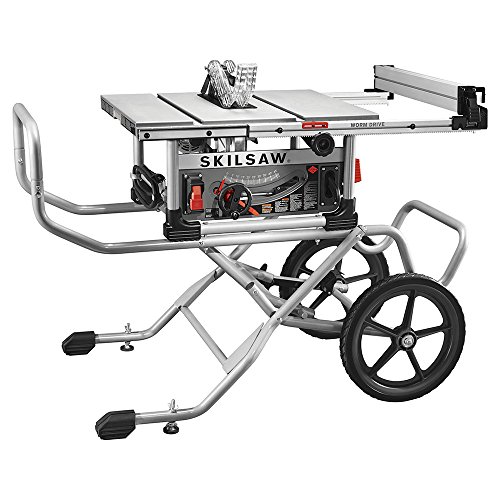 SKIL 10 Inch Heavy Duty Worm Drive Table52.6 x 29.5 x 35 inches52.6 x 29.53 x 35.08 inches94.3 poundsCheck on Amazon
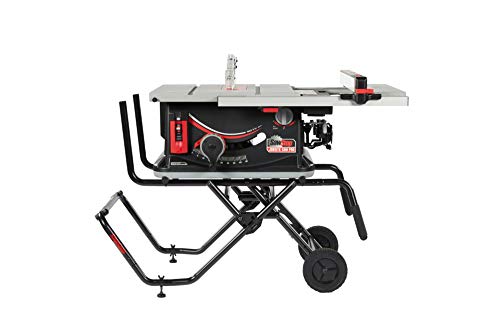

Two portable saws with different priorities
The SawStop Jobsite Pro and Festool CSC SYS 50 are both portable table saws, but they solve different problems. The SawStop is a compact 120-volt jobsite saw built around a 10-inch blade, a full-size rip fence, and flesh-detection safety technology. The Festool is a much smaller cordless saw designed for clean, controlled finish work, especially when it must travel through a building or operate where power access is inconvenient.
For general remodeling, cabinet installation, and cutting sheet goods, the SawStop is the more capable primary saw. For trim carpentry, punch-list work, and precise cuts on smaller stock, the Festool is easier to carry and more refined. Neither is a universal replacement for the other.
As an Amazon Associate we earn from qualifying purchases at no extra cost to you.


Key differences
| Feature | SawStop Jobsite Pro | Festool CSC SYS 50 |
|---|---|---|
| Power source | 120-volt corded, 15 amps | Two 18-volt battery packs |
| Blade size | 10 inches | 6-5/8 inches |
| Maximum cut depth | About 3-1/8 inches at 90 degrees | About 2 inches at 90 degrees |
| Rip capacity | Up to roughly 25-1/2 inches, depending on setup | Roughly 11-13/16 inches to the right of the blade |
| Safety system | Active contact detection with brake cartridge | Electronic controls and a riving knife; no flesh-detection brake |
| Best use | Framing, remodeling, sheet goods, and general site work | Finish carpentry and small, precise cuts |
Cutting capacity and real-world limits
The SawStop wins decisively when the work involves thick material or wide panels. Its 10-inch blade can cut a 2×4 on edge in one pass and handles 3/4-inch plywood with plenty of clearance. The extending table and fence are useful for ripping cabinet sides, shelving, and flooring. It is still a jobsite saw, so long sheets need outfeed support, but it can perform the same broad category of work as other serious portable 10-inch saws.
The CSC SYS 50 uses a 168 mm blade and tops out at about 50 mm of cutting depth. That is enough for 2x lumber laid flat, shelving, flooring, and most trim stock. It is not enough for a standard 2×4 standing on edge. Its smaller table and shorter fence also make wide plywood awkward. You can break down a panel first with a track saw, but that adds another tool and another setup.
For finish work, the Festool’s limitation is often an advantage. The smaller blade produces less exposed cutting area, the controls are compact, and the saw is easy to position on a bench or floor. It is a good match for ripping filler strips, scribe pieces, toe-kick material, and narrow hardwood parts where a large jobsite saw feels excessive.
Accuracy and finish quality
Both saws can make clean, square cuts, but setup matters more than the badge. On the SawStop, check the fence parallelism and bevel stop before cutting cabinet parts. A fence that drifts at the rear can pinch stock or create a tapered rip. Use a sharp, appropriate-tooth-count blade rather than the general-purpose blade for every material.
The Festool has the more controlled finish-work feel. Its table, fence, and electronic controls are compact and precise, and its design integrates well with Festool’s modular storage system. The saw is particularly convenient when making repeated small parts on site. Its short rip range, however, means you must measure carefully and support narrow pieces. A small offcut can drop beside the blade or twist into the guard if it is not supported.
Neither saw eliminates the need for a crosscut sled, auxiliary fence, or push stick when the job calls for one. For narrow rips, keep your hands out of the blade zone and use a push device that maintains downward pressure without contacting the blade guard.
Safety systems and failure modes
The SawStop’s main advantage is its brake system. When the blade detects contact with conductive material such as skin, the brake fires, stops the blade, and drops it below the table. That can turn a potentially severe injury into a smaller one, but it is not permission to bypass guards or work carelessly. The brake cartridge and blade usually need replacement after activation, and wet or conductive material can cause nuisance trips. Disable the system only for materials and situations specifically covered by the manual.
The Festool has a riving knife, blade guard, soft-start behavior, and electronic monitoring, but it does not provide SawStop-style contact detection. Its safety advantage is mainly its controlled format and reduced size. If you work around other people, teach them that cordless does not mean harmless: the blade can still coast, and a small offcut can kick back just as it can on a larger saw.
Portability, power, and running cost
The SawStop is portable in the jobsite-saw sense, not the carry-it-up-three-flights sense. With its stand and accessories, it is a substantial load. The cord provides steady power for long rips, but you need a suitable circuit and an extension cord rated for a 15-amp tool. It is the better choice for a shop or remodeling site where the saw stays set up for hours.
The CSC SYS 50 is dramatically easier to move. It packs into a Systainer-style case and runs without a cord, making it practical for occupied homes and finished interiors. The trade-off is battery cost, charging time, and runtime. Long rips in hardwood or repeated cuts through thick stock consume batteries quickly. Budget for two compatible battery packs and a charger if you do not already own the platform.
If you need a conventional 10-inch jobsite saw at a lower entry price, compare current SawStop Jobsite Pro pricing. For the Festool, check the cost of the CSC SYS 50 saw and battery kit, not just the bare tool.
Which saw makes sense?
Choose the SawStop Jobsite Pro if it will be your only table saw, you regularly rip plywood, or you cut construction lumber. It has the capacity, power, and safety system to cover more jobs. The cheaper option is fine when your work is occasional, your cuts are mostly narrow, and you already have a circular saw or track saw for breaking down sheets.
Choose the Festool CSC SYS 50 when portability and clean finish work matter more than capacity. It makes sense for a trim carpenter moving between rooms, a cabinet installer making final adjustments, or a shop that already owns larger saws. It is expensive for a saw that cannot rip a wide panel or cut a standing 2×4, so buying it as your only table saw is difficult to justify.
For either tool, add a quality table-saw push-stick and featherboard setup when appropriate. The best finish comes from stable support, a sharp blade, and a measured setup—not simply from choosing the more expensive machine.