What's inside
As an Amazon Associate I earn from qualifying purchases. This post may contain affiliate links at no extra cost to you.
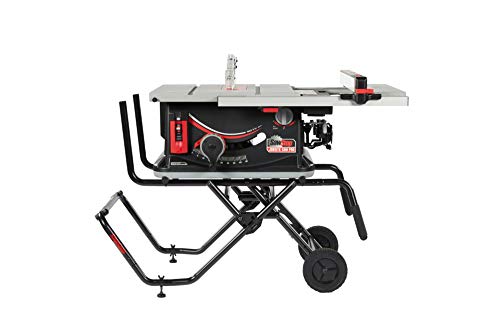
For a compact table saw, the biggest safety difference between the SawStop CTS and Makita 2705X1 is not the blade guard. Both saws provide a riving knife, anti-kickback protection, and a blade guard. The key difference is that the SawStop CTS can detect contact with skin and stop the blade, while the Makita relies on the operator never entering the blade’s path.
That distinction affects price, maintenance, cutting wet material, and how much risk you are willing to accept. The CTS is an 8-1/4-inch compact saw built around SawStop’s safety system. The Makita is a larger 10-inch jobsite saw with more cutting capacity and a conventional collection of mechanical safety features.
As an Amazon Associate we earn from qualifying purchases at no extra cost to you.



Our Top Picks
 DEWALT 15 Amp 8-1/4 in. Compact Portable JobsiteOne Size22.75 x 22.75 x 13 Inches54 poundsCheck on Amazon
 BOSCH GTS15-10 10 Inch Portable Jobsite Table Saw10 in28.1 x 27.8 x 13.53 inches102.95 poundsCheck on Amazon

Safety system differences
The SawStop CTS uses a low-voltage electrical signal to sense when skin contacts the blade. In normal operation, the signal changes when a conductive object—such as a finger—touches the blade. The brake then fires, forcing an aluminum block into the teeth and stopping the blade in less than five milliseconds. The blade also drops below the table.
This is an emergency system, not permission to work carelessly. It cannot prevent every injury, and it does not protect you from kickback, flying stock, or a workpiece striking your hands. It also does not replace the riving knife or guard. A hand can be injured before it reaches the blade, and a board can still move unpredictably if it is twisted or poorly supported.
The CTS uses a replaceable brake cartridge and normally requires a new blade after activation. That is an expensive failure mode, but it is preferable to treating a severe hand injury. You also need to switch the safety system off or use the appropriate bypass mode when cutting conductive material or wet lumber. A damp board can trigger the brake or prevent normal operation.
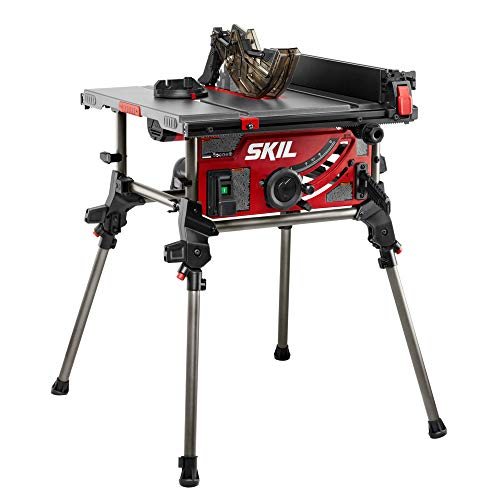
The Makita 2705X1 has no flesh-detection brake. Its protection comes from physical separation and controlled workholding. The riving knife helps keep the kerf open behind the blade, reducing the chance that the board pinches the blade and kicks back. The anti-kickback pawls are intended to catch stock that starts moving toward the operator, while the blade guard helps prevent accidental contact from above.
Those parts work only when they are installed, aligned, and left in place. Removing the guard for a cut may make visibility easier, but it removes a layer of protection. The Makita’s electric blade brake can stop the blade quickly after you release the switch, but it does not detect contact and does not stop the blade before injury.
Head-to-head safety comparison
| Feature | SawStop CTS | Makita 2705X1 |
|---|---|---|
| Blade size | 8-1/4 inches | 10 inches |
| Skin-contact detection | Yes; electronic sensing with brake cartridge | No |
| Brake response | Blade is stopped and dropped below the table in under 5 milliseconds | Electric brake slows the blade after power is released |
| Riving knife | Included; use it with the guard system | Included; adjustable for different cutting setups |
| Blade guard | Included | Tool-less modular guard system |
| Anti-kickback pawls | Included with the guard assembly | Included |
| Wet or conductive stock | May require the safety system to be bypassed | No flesh-sensing limitation |
| Primary trade-off | Better hand-contact protection, smaller capacity, higher ownership cost after activation | More capacity and conventional operation, but no emergency contact protection |
Where the CTS makes sense
The CTS is the better choice when injury prevention is the deciding factor. It is particularly compelling for a small shop, a shared workspace, or a user who is still developing table-saw habits. The flesh-sensing brake provides a last line of defense if attention lapses or a hand slips during a rip cut.
Its compact size is also useful for cabinet installers, trim carpenters, and DIY users who do not need to break down full sheets regularly. The limitation is capacity: an 8-1/4-inch blade gives up depth of cut compared with a 10-inch jobsite saw. You should also budget for replacement brake cartridges and possible blade replacement if the system activates.
Buyers who want this type of protection should compare SawStop compact table saw options, but confirm that the listing is for the CTS rather than a larger SawStop model. Check the included stand or support arrangement as well; a small saw is still dangerous if it rocks while ripping.
Where the Makita makes sense
The Makita 2705X1 is fine for a disciplined operator who wants a conventional jobsite saw and more cutting range. Its 10-inch blade is better suited to thicker stock and repeated framing or remodeling work. The larger table and fence system can also be more useful when cutting wide boards, although proper outfeed support remains necessary.
The Makita is often the more practical purchase if you will never accept the cost of a brake cartridge or if your work regularly involves damp lumber. It is also a reasonable choice for experienced users who consistently use push sticks, keep both hands out of the blade path, and maintain the guard and riving knife.
Do not treat the lower price as a safety bargain if several people will use the saw. A conventional saw requires consistent behavior every time. If a shared tool is likely to be used with the guard removed, the SawStop’s emergency brake becomes more valuable—not because it makes unsafe use acceptable, but because it adds protection when procedures fail.
Setup and operating risks
On either saw, align the riving knife with the blade and verify that the fence is parallel to the blade. A fence that angles inward can pinch the workpiece and produce kickback. Use a push stick once your hand approaches the blade, and support long stock so it cannot lever upward or sideways during the cut.
For the Makita, inspect the pawls and guard after transport. They can snag, sit out of alignment, or be left off during setup. For the CTS, test the saw’s safety status before cutting and keep the correct brake cartridge installed for the blade you are using. Never assume the brake makes a dull blade, unstable stand, or poor technique safe.
If you want to compare conventional jobsite alternatives, browse 10-inch jobsite table saws and compare guard design, fence rigidity, riving-knife adjustment, and support—not just motor amperage.
Which safety approach should you buy?
Choose the SawStop CTS if skin-contact protection outweighs blade size, operating cost, and wet-material restrictions. It is the safer failure mode for a compact saw, provided you still use the guard and control kickback risks.
Choose the Makita 2705X1 if you need a 10-inch blade, work with damp or conductive stock, and will reliably use its mechanical safety equipment. It is not inherently reckless or inadequate; it simply leaves the final barrier between your hand and the blade to your setup and technique.