What's inside
As an Amazon Associate I earn from qualifying purchases. This post may contain affiliate links at no extra cost to you.
Our Top Picks
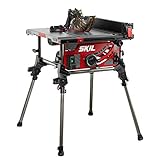
 BOSCH GTS15-10 10 Inch Portable Jobsite Table Saw10 in28.1 x 27.8 x 13.53 inches102.95 poundsCheck on Amazon


Dust Collection Verdict
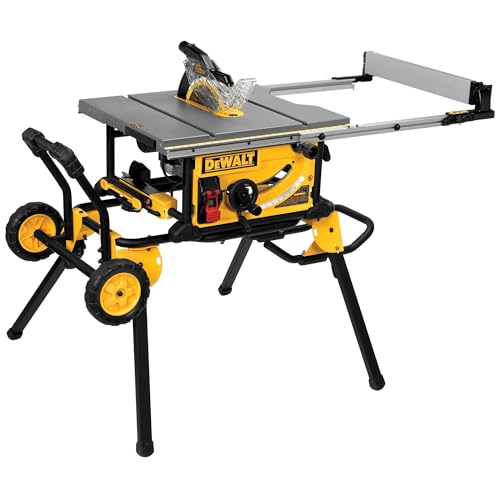
The Bosch GTS15-10 and DeWalt DWE7491RS are both 10-inch jobsite table saws with 15-amp motors and 2-1/2-inch dust ports. Neither is genuinely dust-free, and neither replaces a proper shop vacuum or dust extractor. However, the Bosch has the better overall dust-control design because its blade shroud and upper guard are more focused on containing dust at the source.
The DeWalt is still a practical choice, especially for outdoor work, rough construction, and buyers who already own compatible accessories. Its dust port works well enough with a strong vacuum, but more dust escapes around the open underside of the saw and through the blade guard area.
As an Amazon Associate we earn from qualifying purchases at no extra cost to you.


| Feature | Bosch GTS15-10 | DeWalt DWE7491RS |
|---|---|---|
| Blade size | 10 inches | 10 inches |
| Motor | 15 amps | 15 amps |
| Dust port | 2-1/2 inches | 2-1/2 inches |
| Collection design | Enclosed blade area with focused dust path | Open jobsite-style underside with rear port |
| Best vacuum pairing | High-airflow shop vacuum or dust extractor | High-airflow shop vacuum; portable extractors improve results |
| Dust-control advantage | Better containment at the blade | Simple, accessible port and easy cleanup |
How the Bosch GTS15-10 Collects Dust
The Bosch GTS15-10 uses a more enclosed blade compartment than the DeWalt. That matters because most table-saw dust is created below the tabletop, where the blade teeth exit the material and throw chips downward. A tighter shroud gives the vacuum a better chance of pulling dust through the 2-1/2-inch port instead of allowing it to spread inside the stand or onto the floor.
In use, the Bosch is at its best with the blade guard and anti-kickback assembly installed. The upper guard helps capture dust thrown upward by the blade, while the lower shroud handles the larger volume of chips below the table. With a decent vacuum attached, typical ripping produces a manageable amount of dust around the saw rather than a broad fan of debris.
That does not mean the Bosch is sealed like a cabinet saw. Fine dust can still escape around the throat plate, blade elevation mechanism, and openings around the guard. Shortcuts also reduce performance. A clogged filter, undersized hose, or partially closed blast gate can turn a relatively clean cut into a dusty one within seconds.
How the DeWalt DWE7491RS Collects Dust
The DWE7491RS has a conventional 2-1/2-inch rear dust port and an open jobsite-saw layout. The port collects a useful share of the chips produced under the blade, but the housing is less enclosed than the Bosch. Dust can escape from the underside and accumulate on the stand, floor, and nearby work surface.
With no vacuum connected, the DeWalt leaves a noticeable pile of sawdust after repeated cuts. That is expected, not a defect: the port is designed for connection to extraction equipment. With a shop vacuum attached, larger chips are collected effectively, but fine dust control remains less consistent than on a more enclosed saw.
The DeWalt’s stock blade guard is also more dependent on correct alignment and smooth movement. If the guard rubs the workpiece or is removed for a particular cut, upward dust capture drops sharply. Removing the guard may also expose the operator to more airborne dust, in addition to creating a safety risk.
Your Vacuum and Hose Matter More Than the Port
A 2-1/2-inch port is only the starting point. A small household vacuum with a restrictive filter may move insufficient air once connected to a long hose. For either saw, use the shortest practical hose, keep the filter clean, and empty the collection container before it becomes packed with chips.
A high-airflow shop vacuum with a 2-1/2-inch hose is adequate for occasional plywood, dimensional lumber, and trim work. For frequent cutting of MDF, melamine, or hardwood, a dust extractor with better fine-particle filtration is the safer choice. MDF dust is especially fine and can overwhelm a basic vacuum filter quickly.
Do not reduce the hose to a narrow 1-1/4-inch line unless there is no alternative. Smaller hoses are convenient but reduce airflow and clog more readily with chips. If your vacuum has a filter-cleaning feature or a cyclone pre-separator, use it. A cyclone can keep the main filter from loading with sawdust, although it will not replace the vacuum filter.
Common Dust-Collection Failure Modes
The most common problem on both saws is a poor connection at the dust port. A loose hose leaks air and reduces suction at the blade. A rubber adapter or a short length of flexible 2-1/2-inch dust-collection hose and adapter can make the connection more reliable.
Another problem is a blade guard that is removed and never reinstalled. This increases airborne dust and eliminates much of the upper capture provided by the guard. A clogged throat plate opening can also redirect chips toward the operator. Clean the throat plate and lower shroud periodically, with the saw unplugged and the blade stopped.
Static buildup is usually less important than simple airflow loss. Focus first on hose diameter, leaks, filter condition, and whether the blade shroud is obstructed. If dust still escapes, add a flexible brush skirt or improve the enclosure around the stand, but do not block ventilation openings or interfere with blade adjustment.
Which Saw Should You Buy?
Choose the Bosch GTS15-10 if dust control is a major buying factor, particularly for indoor remodeling, garage workshops, or cutting sheet goods where fine dust quickly becomes a cleanup problem. Its more contained lower blade area gives a connected vacuum a better target and generally leaves less loose debris around the machine.
Choose the DeWalt DWE7491RS if you value its strong rip capacity, proven rolling stand, rack-and-pinion fence adjustment, and broad availability more than maximum dust containment. It is a sensible option for exterior construction, framing, decking, and users who already own a capable vacuum. The cheaper option is fine when most cutting happens outside or when you are willing to sweep and wear appropriate respiratory protection.
For either saw, a HEPA dust extractor for power tools, a properly fitted hose, and an installed blade guard will produce a larger improvement than swapping between otherwise similar jobsite saws. Between these two models, though, the Bosch GTS15-10 has the edge for dust collection, while the DeWalt remains the better fit when mobility, fence convenience, and outdoor productivity take priority.