What's inside
As an Amazon Associate I earn from qualifying purchases. This post may contain affiliate links at no extra cost to you.
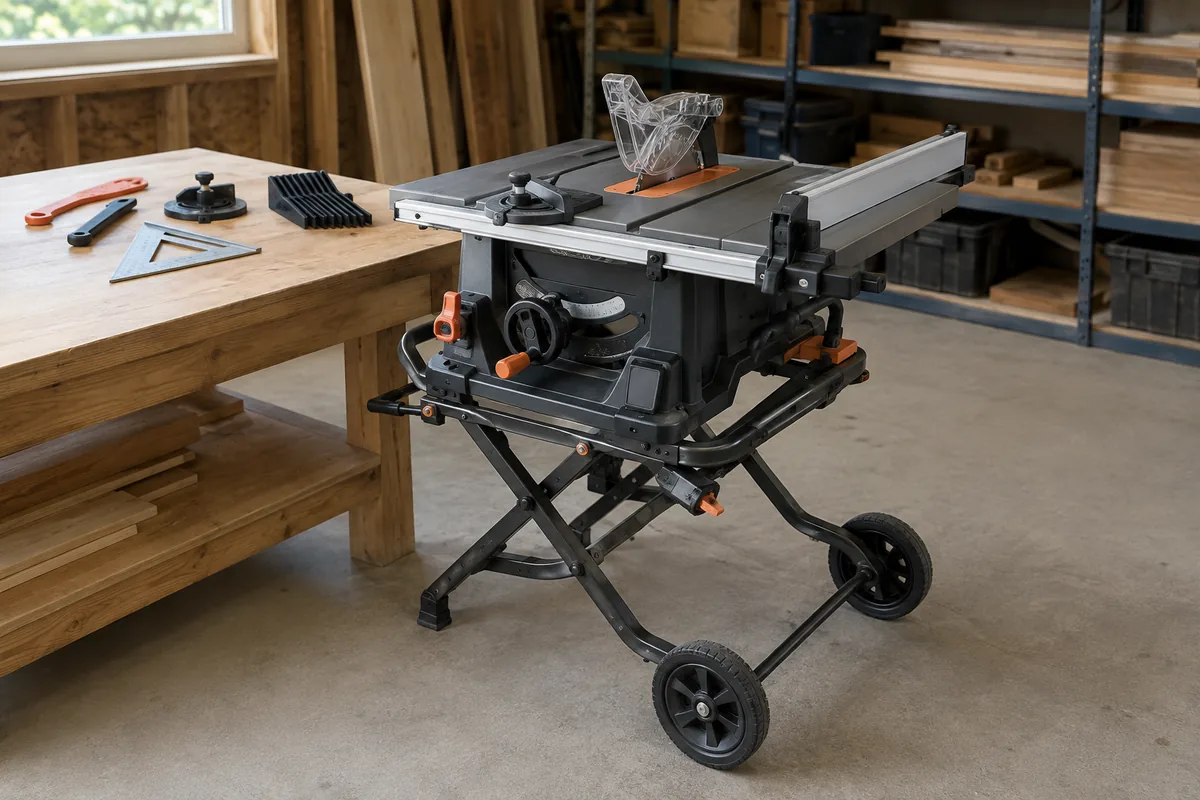
The SawStop CTS and Bosch GTS1031 are both portable table saws aimed at people who need a small footprint, not a full-size cabinet saw. Their main difference is what they prioritize: the CTS adds SawStop’s blade-contact safety system, while the Bosch is a simpler, lighter saw built around portability. The right choice depends on how often you move the saw, how you handle safety, and whether the price premium for the CTS fits your work.
As an Amazon Associate we earn from qualifying purchases at no extra cost to you.



Our Top Picks
 SAWSTOP 1.75HP Contractor Saw with 30” Premium Fence61.75 x 40.5 x 34.75 Inches256 PoundsCheck on Amazon
 DEWALT 15 Amp 8-1/4 in. Compact Portable JobsiteOne Size22.75 x 22.75 x 13 Inches54 poundsCheck on Amazon

At a glance
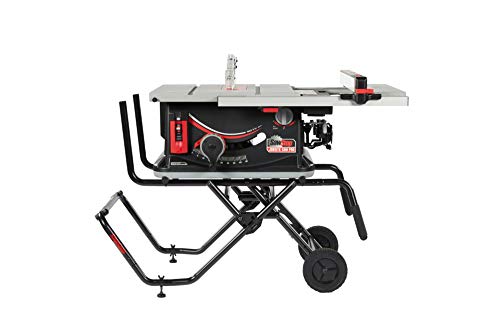
| Feature | SawStop CTS | Bosch GTS1031 |
|---|---|---|
| Blade | 10-inch, 15-amp motor | 10-inch, 15-amp motor |
| Rip capacity | About 24.5 inches right of blade | About 18 inches right of blade |
| Safety system | Flesh-detection brake; stops the blade on contact | Blade guard, riving knife and anti-kickback pawls |
| Portability | Compact, but heavier | About 52 pounds; carry handle integrated into the frame |
| Best fit | Safety-focused shop use and sheet-goods work | Frequent carrying and straightforward cutting |
Specifications can vary by version or market, so check the exact product listing before buying. Both saws use a standard 10-inch blade and a 15-amp motor; neither turns a small bench into a wide, stable cabinet-saw table.
Safety and blade control
The CTS’s defining feature is its electronic brake system. If the blade detects contact with skin, it fires a brake that stops the blade and drops it below the table. That response can reduce the severity of an injury, but it does not make unsafe work safe. The system can also trigger on conductive or unusually wet material, and a fired brake cartridge and blade need replacement before the saw can be used again. Budget for those consumables and follow SawStop’s instructions for bypass mode when cutting material that could cause a false trigger.
The GTS1031 does not have flesh detection. Its guard, riving knife and anti-kickback pawls are conventional protections: keep them installed, use a push stick for narrow stock, and stand out of the line of a possible kickback. A riving knife helps keep a kerf from closing onto the blade, but it cannot stop a board from being thrown if it twists or binds. If you already use safe procedures and want to spend less, that setup can be entirely reasonable. If the extra layer of protection matters to you, the CTS is the clear choice.
Capacity and accuracy
The CTS has the advantage for ripping wider stock: its roughly 24.5-inch right-side capacity handles a 4-by-8-foot sheet ripped in half, though supporting the sheet is still essential. The Bosch’s roughly 18-inch capacity is enough for many boards and narrower panels, but it falls short of a 24-inch half-sheet rip. For full sheet goods, use a helper or a stable outfeed arrangement; pushing a large, flexible panel alone on a compact saw is a good way to lose control.
Both saws are intended for normal woodworking cuts in properly supported material, not heavy production use. A sharp, suitable blade matters more than chasing a headline motor figure. A 10-inch, 24-tooth framing-style blade cuts quickly through construction lumber, while a 40-tooth general-purpose blade usually leaves a cleaner edge in plywood and hardwood. Check that the fence locks parallel to the blade before making a long rip: a fence that toes inward can pinch the workpiece and increase kickback risk.
Portability and setup
At around 52 pounds, the Bosch is easier to carry between a vehicle and a job site than many table saws, and its one-piece frame and carry handle make loading simple. It is not effortless if you must haul it up stairs every day, but it is a practical choice for a person working alone. The CTS is compact too, but its added safety hardware and sturdier build make it a heavier item to move. If the saw will live on a bench in a small garage, that difference matters less than it does for frequent transport.
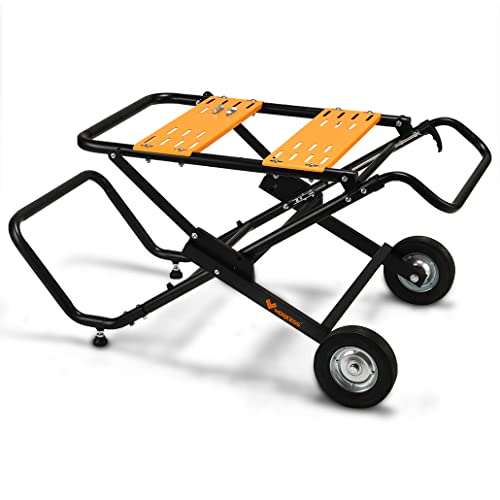
Neither saw includes the broad work surface of a full-size contractor saw. Make a flat, stable stand part of the plan, and check that it will not rock under pressure. For narrow rips, use a push stick; for crosscuts, use a suitable sled or miter gauge rather than guiding a board by hand near the blade. A compact saw is most useful when the surrounding setup is thought through.
Price and ownership
The Bosch is generally the lower-cost option, and it is a sensible buy if you need a portable 10-inch saw for occasional shop projects, trim work or smaller boards. The CTS costs more, but the premium buys a meaningful safety system and more rip capacity. Compare the complete setup, not just the saw: blades, a stand, dust collection and replacement parts can change the value calculation.
For either saw, connect a shop vacuum or dust extractor when practical. Table saws send chips and fine dust into the air and around the workspace; a simple vacuum connection helps, though it will not capture everything. Wear eye and hearing protection, keep the floor clear, and do not reach over a spinning blade to retrieve offcuts.
Which one to buy
Choose the CTS if the blade-contact brake is a priority, if you regularly rip wider panels, or if the saw will stay in a small workshop where carrying weight is not the deciding factor. It is not a substitute for guards and sound technique, but its safety system is a real distinction.
Choose the GTS1031 if you value easier carrying, work mostly with stock under 18 inches wide, and are comfortable relying on standard guards and careful technique. The cheaper saw is fine for that job; paying extra for features you will not use is no benefit.
If neither footprint nor capacity quite fits, compare compact table saws by rip capacity, weight and guard design. For frequent sheet goods, a stable table-saw stand or outfeed support may be a more useful upgrade than a more powerful motor.