What's inside
As an Amazon Associate I earn from qualifying purchases. This post may contain affiliate links at no extra cost to you.
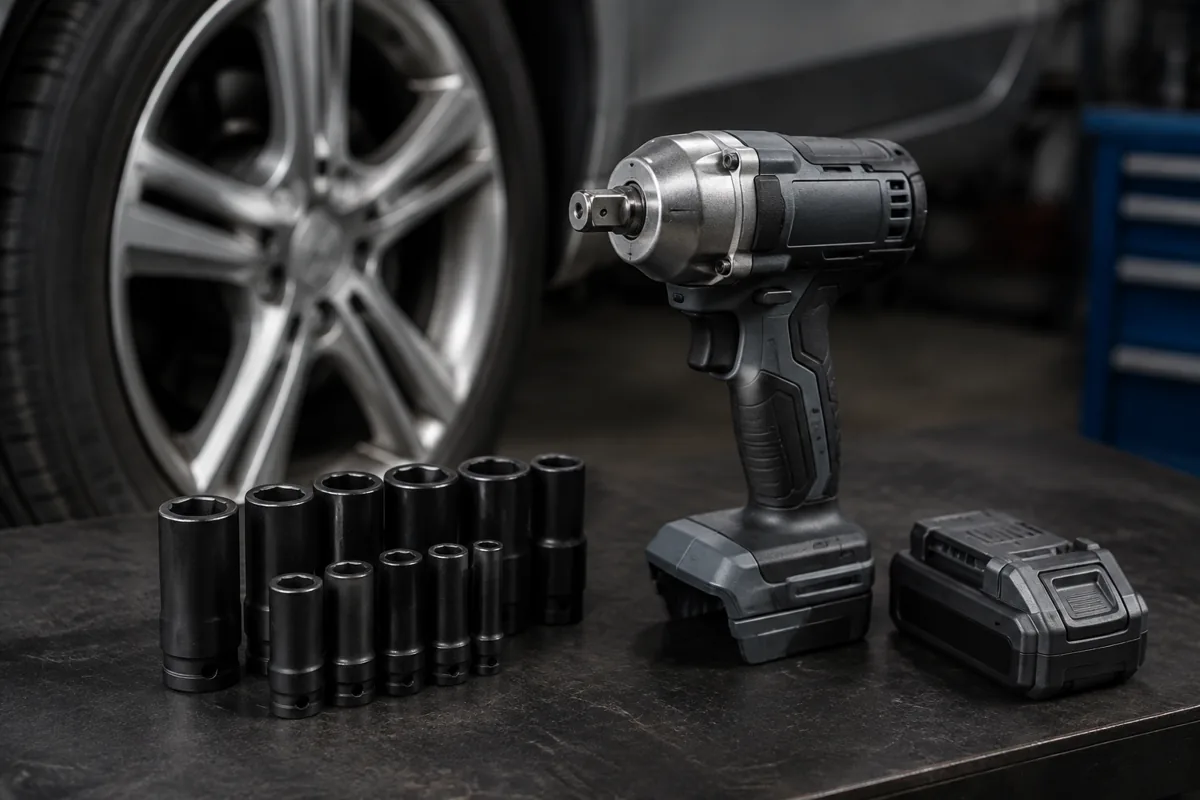
The Makita XWT17 and Milwaukee 2962 are compact 1/2-inch mid-torque impact wrenches built for lug nuts, suspension work and other jobs where a full-size high-torque wrench is awkward. Both offer a short body, several speed or control modes and enough power for many passenger-car repairs. The practical difference is less about headline torque than how each wrench manages speed, fastener risk and awkward positioning.
As an Amazon Associate we earn from qualifying purchases at no extra cost to you.

Our Top Picks
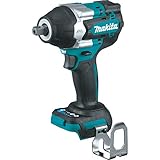
 Makita XWT18Z 18V LXT® Lithium-Ion Brushless Cordless 4-Speed(Pack of 1)4.13 x 9.29 x 10.08 inches0 poundsCheck on Amazon


Quick answer: control favors the Milwaukee
The Milwaukee 2962 is the easier choice if you want a predictable, button-selected mode and an automatic setting intended to reduce over-tightening. The Makita XWT17 gives you useful control too, including multiple forward and reverse modes, but its controls and mode choices can take more getting used to. Either can spin off stubborn lug nuts; neither should be treated as a torque wrench when tightening.
Choose based on the battery system you already own, too. A bare tool can be a poor deal if you have to buy batteries and a charger for it. If you are starting fresh, compare complete kits rather than comparing tool-only prices.
What the numbers mean in real use
Both tools are rated at roughly 600 ft-lb of fastening torque and 800 ft-lb of breakaway torque. Those figures describe maximum output under test conditions, not a reliable tightening value for a particular wheel bolt. Actual results vary with battery charge, fastener condition, socket fit, joint stiffness and how long you hold the trigger.
The XWT17 has three forward speed settings and three reverse settings, plus a trigger that lets you vary speed within a setting. The 2962 also has selectable modes and a variable-speed trigger, with Milwaukee’s “Auto Shut-Off” mode intended to limit tightening after the impact action begins. That is a helpful guardrail, not a substitute for a calibrated torque wrench: wheel hardware still needs final tightening to the vehicle maker’s specification.
| Detail | Makita XWT17 | Milwaukee 2962 |
|---|---|---|
| Drive | 1/2-inch square drive | 1/2-inch square drive |
| Published maximum fastening torque | About 600 ft-lb | About 600 ft-lb |
| Published breakaway torque | About 800 ft-lb | About 800 ft-lb |
| Speed and control | Three forward and three reverse modes; variable trigger | Selectable modes; variable trigger; auto shut-off feature |
| Best control advantage | More direction-specific mode choices | Simple automatic limit for some fastening tasks |
Trigger and mode control
On either wrench, the trigger is the first control to master. A full pull delivers impacts quickly; a light pull lets you approach a fastener more gently. That matters when removing a wheel near a painted rim, starting a bolt in an aluminum component or working in a cramped area where the socket could hit a brake line or bodywork.
Makita’s separate forward and reverse settings are useful when you want different behavior for loosening and tightening. For example, you can use a more assertive reverse mode to break a nut loose, then choose a gentler forward setting to run it back on. The trade-off is that more choices mean more chances to leave the tool in the wrong mode. Check the mode indicator before working, particularly after changing direction.
Milwaukee’s control layout is more straightforward for a user who wants to select a mode and get on with the task. Auto Shut-Off can help reduce the chance of driving a nut down too hard, but it does not know the vehicle’s required torque or whether a dirty thread is giving a misleading result. Use it for speed and restraint, then finish critical fasteners by hand with a torque wrench.
Which is easier for common jobs?
Changing tires: Either can remove passenger-car lug nuts that are within its capacity, assuming the socket fits and the battery is charged. Start in reverse, keep the socket square on the nut, and stop as soon as it comes free. When reinstalling, use the wrench only to seat the nuts lightly. Tighten them in the vehicle’s specified pattern and to the specified torque with a torque wrench. Repeatedly hammering a seated nut is a common way to over-tighten it or damage threads.
Suspension and underbody work: The XWT17’s mode range is helpful when alternating between stubborn removal and controlled refitting. The 2962 is attractive if you prefer a simpler setup and want its tightening aid available. Both can struggle with badly corroded hardware, long fasteners or joints that absorb impact energy. If a nut will not move after a few seconds, stop rather than holding the trigger indefinitely; confirm the socket is fully seated, apply penetrating oil where appropriate, and consider a breaker bar or a higher-torque tool.
Overhead or tight spaces: These mid-torque tools are shorter and lighter than many high-torque models, but the battery still adds bulk. Check clearance with the battery installed, not just the bare tool. A compact impact wrench is not automatically the right tool if the socket and wrench cannot line up squarely with the fastener.
What to buy—and when cheaper is fine
If you already own Makita 18V LXT batteries, the XWT17 is usually the sensible buy; switching systems for a small control difference adds cost without guaranteeing better results. The same logic applies to Milwaukee M18 owners considering the 2962. Check that your existing battery is in good condition and suited to high-current tools.
If you have no batteries, compare the price of a kit with battery and charger against the bare-tool price plus those parts. For occasional tire changes and light automotive work, a corded tool, a quality breaker bar or a less expensive cordless 1/2-inch impact wrench may be enough. Spending more for either of these models makes more sense if you will use it often, need cordless access or already have the matching platform.
Whichever wrench you choose, budget for impact-rated sockets rather than using ordinary chrome sockets, which can crack under impact. A click torque wrench is also essential for accurate final tightening on wheels and other specified fasteners.
Verdict
For the easiest control, the Milwaukee 2962 has the edge if you value a simple mode selection and an automatic tightening aid. The Makita XWT17 suits users who want more distinct forward and reverse settings and are comfortable checking which mode is active. In actual work, careful trigger use, correct sockets and a separate torque wrench matter more than the small control differences. Buy into the battery platform you already own unless a complete kit makes the alternative clearly better value.