What's inside
As an Amazon Associate I earn from qualifying purchases. This post may contain affiliate links at no extra cost to you.
Our Top Picks


Quick verdict
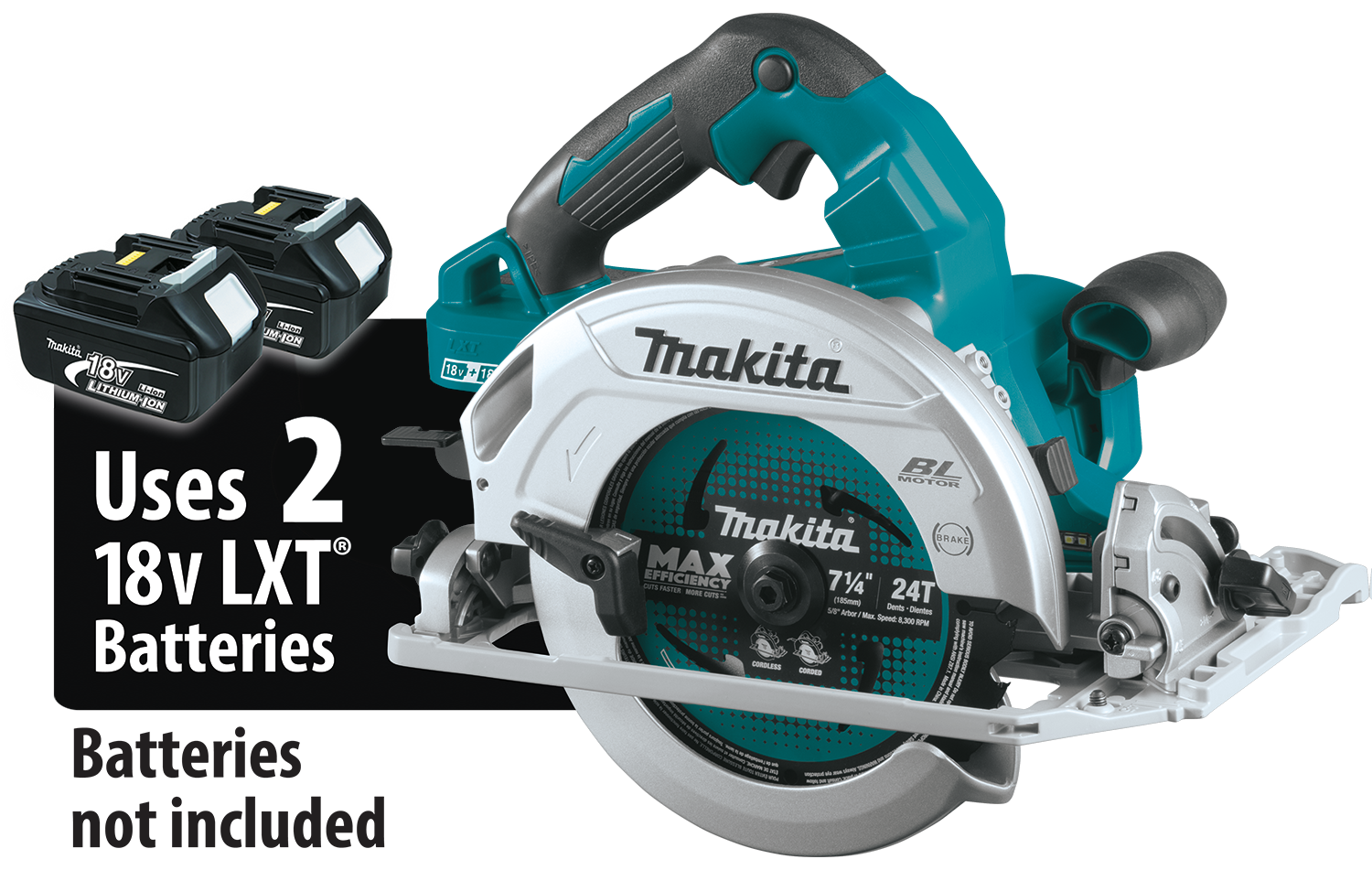
The Makita XSH08 and Bosch GKS18V-25G are both 7-1/4-inch cordless rear-handle circular saws built for breaking down sheet goods and making long cuts in framing stock. The main buying question is less about which one is universally stronger and more about which battery platform, blade setup, and saw layout suit your work. Check the exact kit and regional specifications before buying: included batteries, charger, and accessories can differ.
Either saw can cut 3/4-inch plywood in one pass with an appropriate sharp blade. For repeat work, the bigger difference is often how confidently you can guide the saw along a straightedge, manage dust, and handle its weight over a full sheet. If you already own compatible batteries, staying on that platform is usually the sensible choice.
As an Amazon Associate we earn from qualifying purchases at no extra cost to you.


What matters on paper
Both saws use a 7-1/4-inch blade, the common size for full-depth cuts through sheet goods and dimensional lumber. Maximum cutting depth varies with blade angle; check the manuals for the exact figures and bevel ranges for the saws you are considering. Do not assume a saw’s advertised depth means it can cut every 4x material in one pass, especially at an angle.
| Comparison point | Makita XSH08 | Bosch GKS18V-25G |
|---|---|---|
| Blade diameter | 7-1/4 inches | 7-1/4 inches |
| Format | Cordless rear-handle circular saw | Cordless rear-handle circular saw |
| Typical use | Sheet goods, framing, long straight cuts | Sheet goods, framing, long straight cuts |
| Best reason to choose | You already use Makita batteries or prefer its handling and controls | You already use Bosch batteries or prefer its handling and controls |
| Before purchase | Confirm kit contents, battery compatibility, and current specifications | Confirm kit contents, battery compatibility, and current specifications |
Published performance claims are not a substitute for a controlled side-by-side test with the same blade, stock, and battery condition. A fresh framing blade in clean plywood will feel very different from a dull blade forcing its way through glued, warped material. Compare the saws in person if possible, especially if you will use one for hours at a time.
Using either saw on sheet goods
A rear-handle design puts your hands farther apart than many conventional circular saw layouts. That can feel stable during a long rip, but it does not make the saw self-guiding. Support the sheet properly, keep the offcut from pinching the blade, and use a straightedge for cuts that need to land accurately. A 4×8 sheet is awkward to control on a small pair of sawhorses; foam insulation on a flat surface is often easier and supports the entire panel.
For a 3/4-inch panel, set the blade so its teeth extend only slightly below the work. More exposed blade increases the chance of tear-out and makes a kickback event more severe. Keep the base flat, start the motor before entering the cut, and let the blade reach speed. If the saw slows sharply, stop and find the cause rather than pushing harder. A binding kerf, misaligned guide, dull blade, or undersupported offcut can stall the saw or throw it back.
Blade choice changes the result. A coarse framing blade cuts quickly but can leave a rough edge on cabinet-grade plywood. A fine-tooth plywood or finish blade reduces splintering, though it may cut more slowly and load the motor more. For a clean visible edge, place the panel so the blade’s teeth enter the face that matters, and test the setup on scrap because tooth direction and saw orientation affect which face chips more.
Handling, runtime, and dust
Rear-handle saws are not light trim tools. With a large battery installed, the balance can feel front-heavy or tiring when carrying the saw around a jobsite, even if that battery helps it maintain power under load. Compare complete operating weight, not bare-tool weight, and check whether your preferred battery fits without making the handle awkward to reach.
Runtime depends on battery capacity, blade sharpness, material, and how aggressively you feed the saw. Cutting a few cabinet panels is a different workload from ripping multiple sheets or cutting wet framing lumber. If you need to work continuously, budget for a second compatible battery and a charger rather than assuming one pack will last all day. Battery-platform compatibility is also a practical reason to choose one brand over the other.
Dust ports and extraction can help indoors, but a circular saw still throws chips and fine dust. Wear eye and hearing protection, use a suitable respirator when dust control is poor, and keep bystanders clear of the cut line. Do not hold a vacuum hose in a way that can snag the saw or pull you off line.
Which one should you buy?
Choose the Makita if you are already invested in its battery system and the XSH08 feels better in your hands. Choose the Bosch if its battery platform is already on your bench or its controls and balance suit you better. For a buyer starting from zero, compare the price of the bare tool with the cost of a usable kit: a discounted saw can stop being a bargain once batteries and a charger are added.
If you only break down a sheet now and then, a corded saw or a less expensive cordless option may be adequate. A guide rail or clamped straightedge often improves cut accuracy more than spending extra for a premium saw. Look at circular saw guide rails or 7-1/4-inch plywood blades if clean, repeatable panel cuts are the priority.
For frequent sheet breakdown, either rear-handle saw can make sense, but buy for the platform and handling you can actually use. The cheaper option is fine when it includes the batteries you need, has a sharp suitable blade, and feels controllable during a test cut. Spend more only when the extra cost solves a real problem in your workflow.