What's inside
As an Amazon Associate I earn from qualifying purchases. This post may contain affiliate links at no extra cost to you.
A magnetic tape-measure hook can make one-person layout work easier, but it does not turn every measurement into a hands-free job. Its main advantage is holding the tape’s end against steel while you extend the blade. On wood, drywall, concrete, and most other building materials, that magnet does nothing. A standard hooked tape is usually cheaper, lighter, and entirely adequate if you can catch an edge or use a pencil mark as your reference.
As an Amazon Associate we earn from qualifying purchases at no extra cost to you.



Our Top Picks
 Komelon 7125 Monster Maggrip 25-Foot Measuring Tape with7.6 m300 x 1 x 0.1 inches0.5 poundsCheck on Amazon
 Lufkin Shockforce G2 35-ft Magnetic Tape Measure- LM1235-020.9 m2.6 x 1 x 0.1 Inches1.9 ouncesCheck on Amazon
 FastCap ProCarpenter Standard Reverse Measuring Tape1 Pack192 x 1.5 x 0 Inches0.65 poundsCheck on Amazon

How the hooks work
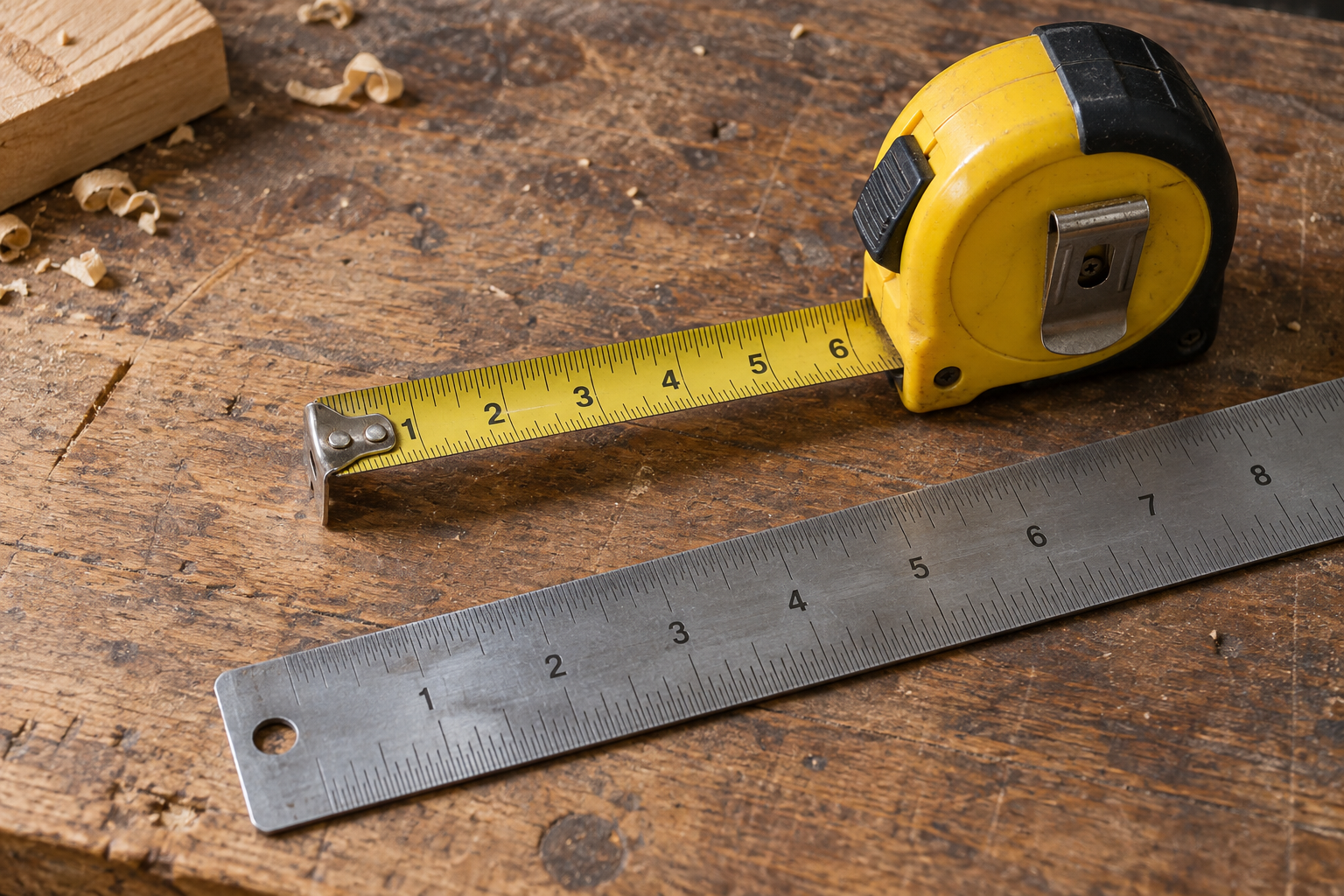
A standard tape’s end hook catches an outside edge for an external measurement and slides slightly on its rivets for an inside measurement. That movement compensates for the hook’s thickness. Press the hook against a surface for an inside reading; pull it against an edge for an outside reading. Either way, the blade needs a stable point to bear against.
A magnetic hook adds one or more magnets at the end. Place it on a compatible steel surface—such as a steel stud, pipe, metal door frame, or structural beam—and the magnet can hold the end while you pull the tape out. The blade still bends and can still slip; the magnet only secures the hook to the steel it can grip.
Magnetic vs. standard tape hook
| Factor | Magnetic hook | Standard hook |
|---|---|---|
| Best use | Solo measurements starting from accessible steel | Edges, corners, and ordinary measuring tasks |
| On wood or drywall | No magnetic advantage; hook works normally | Works normally |
| One-person reach | Can hold the tape end on steel as the blade extends | May need an edge, a temporary fastener, or a second hand |
| Setup and upkeep | Magnets can collect iron filings and interfere near sensitive items | Fewer parts to clean; hook can still snag or loosen |
| Cost and bulk | Often costs more and may have a heavier end | Usually the simpler, less expensive choice |
When a magnet helps with solo layout
The clearest win is measuring along a steel surface when you cannot keep a hand on the starting point. For example, if you need to mark a 72-inch cut on a steel beam, you can attach the hook at the end, extend the blade, and mark the 72-inch point. A magnetic hook can also help when checking the spacing between steel studs or measuring a metal frame, provided the starting face is accessible and the magnet holds firmly.
It is useful, not foolproof. A small or narrow contact area, paint, dirt, or an awkward angle can weaken the hold. On a vertical surface, the hook may slide under the blade’s pull. On a long reach, blade sag can shift the reading even if the hook stays put. Keep the tape straight, use a light pull, and check that the hook has not moved before marking. For repeatable layout, verify a critical measurement from the opposite direction or against a known dimension.
When a standard hook is enough
Most household and framing measurements do not begin on exposed steel. Measuring a sheet of plywood, a stud, or a wall usually gives you an edge or corner to catch. For a long measurement across a floor, you can hook the tape on a board edge or use a second object to pin the end. If you commonly measure alone but work mostly with wood, a magnetic hook is unlikely to save much time.
Accuracy depends more on using the hook correctly than on having a magnet. A loose, bent, or damaged hook can create errors. Check that it moves slightly on its rivets and sits square to the blade. For inside measurements, push the hook firmly against the surface; for outside measurements, pull it against the edge. If the hook is visibly bent or the rivets are loose, replace the tape rather than trusting it for repeated layout.
Trade-offs and failure modes
Magnets pick up metal shavings, which can scratch a work surface or keep the hook from sitting flat. Brush the end clean before taking a precision reading. A magnetic tip can also snap onto nearby steel unexpectedly, which is inconvenient around finished surfaces. Keep it away from magnetic-sensitive items, including some cards and electronic equipment, and follow the tape maker’s guidance.
Do not treat the magnet as a substitute for a proper anchor on nonmagnetic material. It will not stick to aluminum, copper, wood, or drywall. Nor does it make a tape blade rigid: at a long extension, the blade may buckle or drop. If your measurement exceeds the practical reach of the blade, have a helper hold the far end or use a suitable laser measure.
What to buy
If you regularly lay out work alone on steel, compare magnetic-hook tape measures. Look for a hook that seats flat and a blade width and length suited to your usual work; a stronger-feeling magnet is not useful if the blade is too floppy for the reach. Check whether the hook is replaceable, since end hooks take knocks and wear.
If your work is mostly on lumber, interiors, or general household projects, a dependable standard tape measure is the sensible buy. Spend the difference on a comfortable case, readable markings, or a blade that stays extended far enough for your typical solo measurements. Choose the magnet for a regular steel-layout problem, not as a general upgrade.