What's inside
As an Amazon Associate I earn from qualifying purchases. This post may contain affiliate links at no extra cost to you.
Our Top Picks

What You Are Comparing
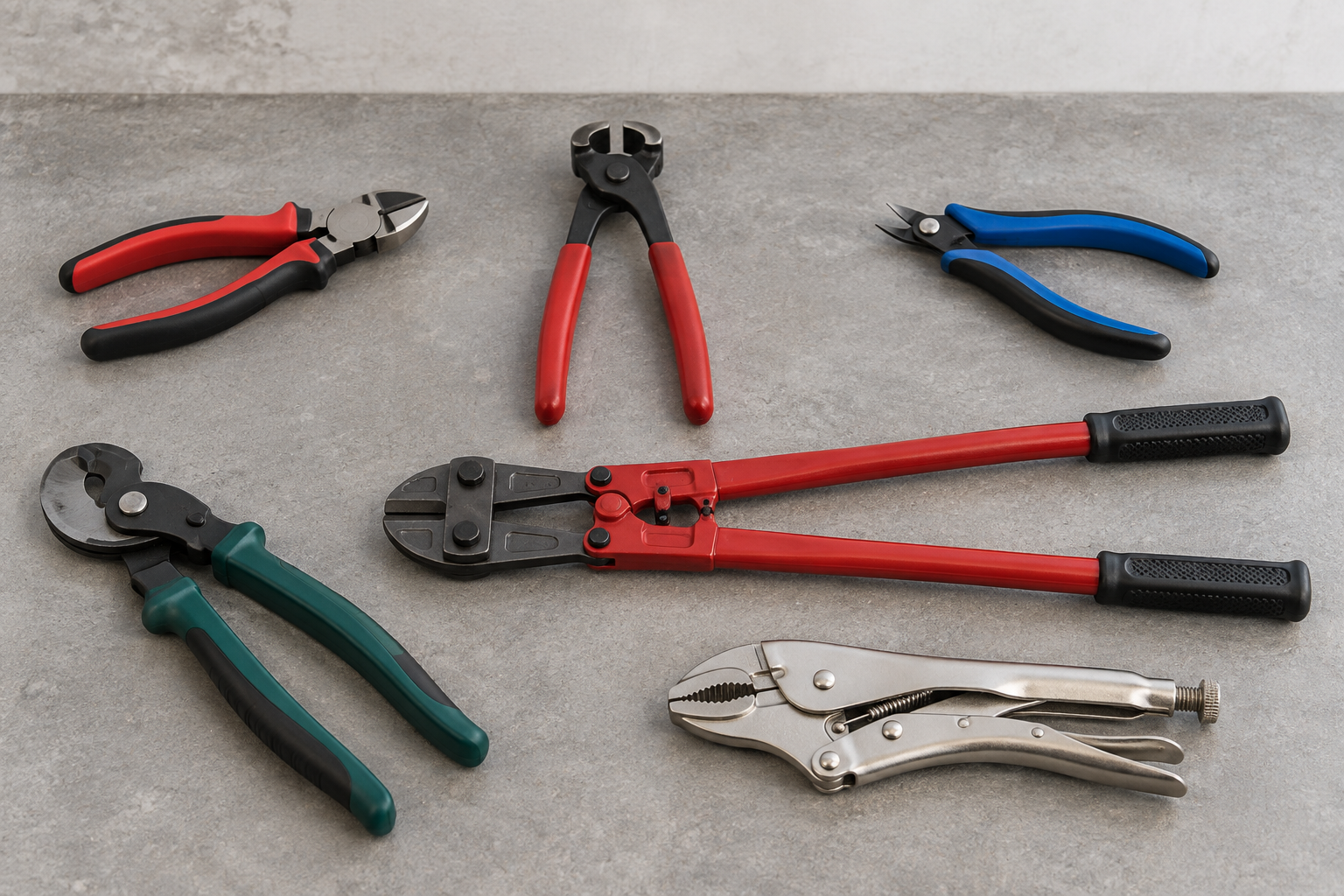
A standard bolt cutter uses one lever at each handle and a set of jaws that close directly on the work. A compound-action bolt cutter adds another lever link between the handles and jaws. That extra linkage increases the force at the cutting edges, so you can cut thicker, harder rod with less effort at the grips.
For a thick steel rod, the difference is not just comfort. It affects whether the cutter can complete the cut without bending the handles, chipping the jaws, or leaving the rod half-severed. The right choice depends on the rod’s diameter, hardness, access, and how many cuts you need to make.
As an Amazon Associate we earn from qualifying purchases at no extra cost to you.


Compound-Action vs Standard Bolt Cutters
| Factor | Standard bolt cutter | Compound-action bolt cutter |
|---|---|---|
| Mechanical advantage | Lower | Higher |
| Best use | Small to medium mild-steel rod, bolts, chain | Thicker rod, hardened fasteners, repeated heavy cuts |
| Typical handle effort | High near rated capacity | Lower for the same material |
| Jaw opening | Often generous for the tool size | Can be smaller or more restricted by the linkage |
| Price and weight | Usually cheaper and lighter | Usually more expensive and heavier |
| Main failure risk | Handle bending or jaw damage from overloading | Linkage damage or jaw chipping from improper work |
How Thick Is “Thick”?
There is no universal capacity rating. A 24-inch standard cutter may be suitable for roughly 3/8-inch soft steel rod, while a heavy compound-action cutter of similar length may handle around 1/2 inch, depending on the manufacturer and the steel grade. Those figures are only starting points. Hardened rod, spring steel, stainless steel, and high-tensile bolts can require substantially more force than ordinary mild-steel rebar or threaded rod.
Check the tool’s published capacity for the exact material. Do not treat a diameter marking as a guarantee for every type of steel. A cutter rated for 1/2-inch soft steel may be unsuitable for a 3/8-inch hardened bolt.
As a practical rule, a 1/4-inch mild-steel rod is normally easy work for a quality standard cutter. At 3/8 inch, tool quality and handle length begin to matter. Around 1/2 inch, compound action is usually the safer purchase unless the rod is soft and you only need one or two cuts.
When a Standard Bolt Cutter Is Enough
Choose a standard cutter when the rod is within its capacity, the steel is relatively soft, and the job involves a small number of cuts. Cutting ordinary chain, mild-steel threaded rod, small padlock shackles, and light rebar does not automatically justify the extra cost of compound action.
A 24-inch or 30-inch standard cutter gives useful leverage without becoming difficult to position. The cheaper option is also easier to carry and has fewer moving parts to collect grit. For occasional DIY work, a properly adjusted standard tool can be the better value.
Do not compensate for an undersized standard cutter by sliding a pipe over the handles. That can multiply the load beyond what the pivots, jaws, and handles were designed to withstand. The usual results are permanently bent handles, cracked jaws, or a sudden release that can injure your hands.
For general home use, compare 24-inch standard bolt cutters with a published soft-steel capacity rather than choosing solely by the lowest price.
When Compound Action Is the Better Choice
Compound action earns its price when the rod is close to the limit of a normal cutter, when you need many cuts, or when the work must be done in a confined position where you cannot use your full body weight. The added linkage produces more cutting force from the same handle length.
This does not mean the tool cuts effortlessly. A thick rod still requires firm positioning and controlled force. Compound-action cutters can also feel less smooth because several pivots move at once. They are often heavier, and their jaw geometry may make it harder to reach a rod close to a wall or inside a narrow frame.
Look for heavy-duty compound-action bolt cutters when you are cutting 3/8-inch to 1/2-inch material, working with tougher steel, or making enough cuts that hand fatigue becomes a concern. Select a tool with replaceable jaws if it will see regular use.
Technique, Positioning, and Safety
Measure the rod before buying. Clean off heavy rust and scale so the jaws seat correctly, and keep the workpiece supported. Place the rod fully into the jaw notch or cutting zone recommended by the manufacturer. Do not cut with only the tips engaged; that concentrates force at a weak point and can chip the edges.
Keep the cutter square to the rod and close the handles slowly. If the handles stop moving while the rod remains intact, do not bounce on them or add a cheater pipe. Release the tool and use a larger cutter, a compound-action design, or a powered method suited to the material.
Wear eye protection and gloves, but do not rely on gloves to protect against a snapped rod. Cut-off pieces can move suddenly, and the remaining rod may spring or rotate. Never use a bolt cutter on energized electrical cable, and confirm that a rod is not part of a load-bearing structure before cutting it.
When Neither Cutter Is the Right Tool
Once the rod exceeds the cutter’s rated capacity, a bolt cutter is the wrong tool regardless of its leverage system. A reciprocating saw with a metal-cutting blade, an angle grinder with a suitable abrasive or cutting wheel, or a hydraulic rebar cutter may be faster and safer. These methods create sparks, noise, and metal debris, so they require different protective equipment and fire precautions.
For occasional thick-rod work, renting a hydraulic cutter can cost less than buying a large compound-action tool. For repeated construction work, a powered or hydraulic solution usually makes more sense than forcing a hand tool through every cut.
The Practical Buying Decision
Buy a standard bolt cutter if your rod is mild steel, under about 3/8 inch, and you need only occasional cuts. Choose compound action if the material is near that limit, is hardened or high-tensile, or you expect repeated cutting. Size the tool by the manufacturer’s material rating, not by handle length alone.
If you are unsure of the rod grade, assume it is harder than ordinary mild steel and leave a safety margin. A larger compound-action cutter may cost more upfront, but it is cheaper than replacing a bent standard cutter or dealing with a damaged, unfinished cut.