What's inside
As an Amazon Associate I earn from qualifying purchases. This post may contain affiliate links at no extra cost to you.
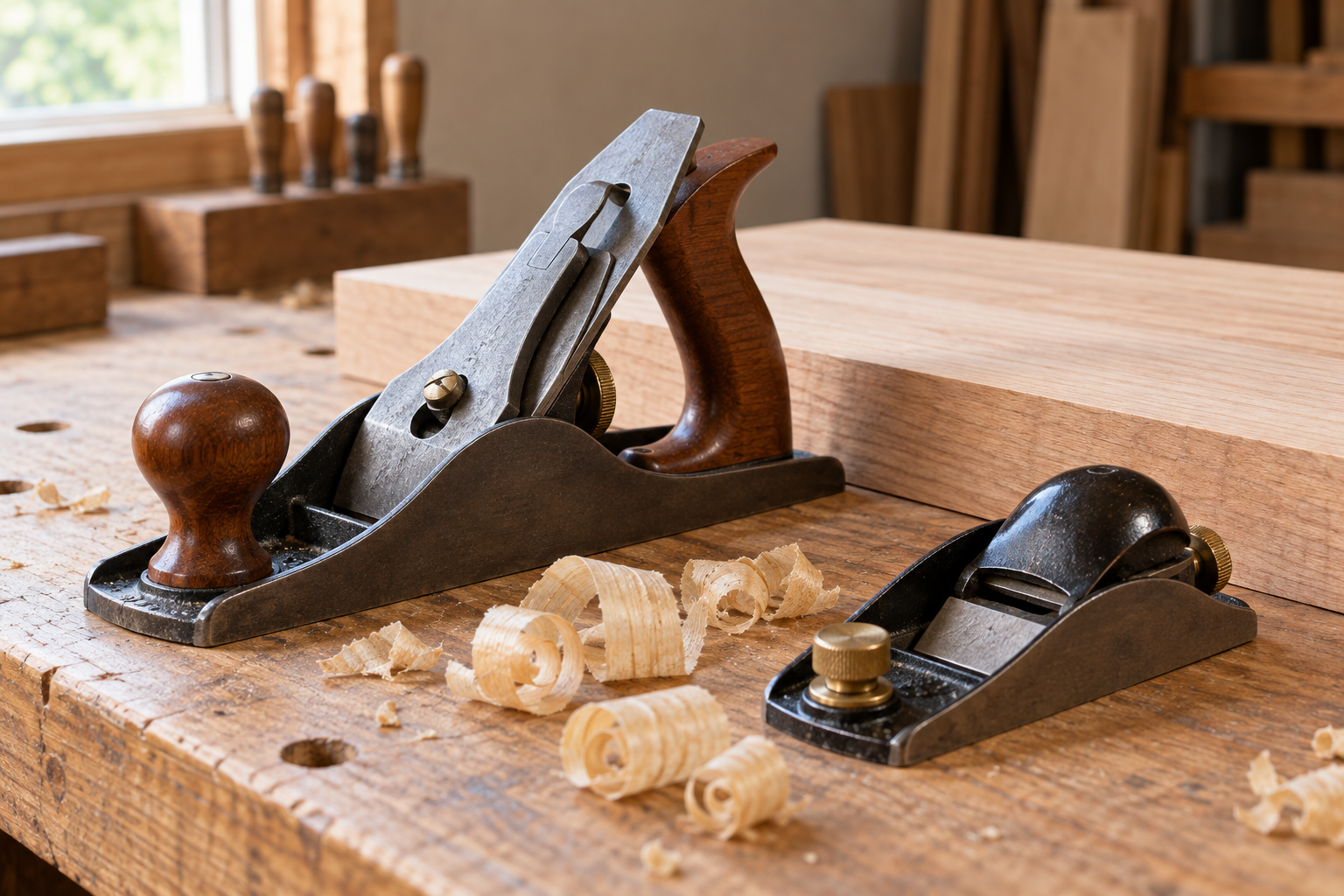
For trimming a sticking interior door, a sharp low-angle block plane is usually the best first choice. It gives you control near corners, removes small amounts at a time, and costs less than a powered planer. A standard bench plane can be better for a long, straight edge; a power planer makes sense when there is a lot of wood to remove, but it is easier to take off too much.
As an Amazon Associate we earn from qualifying purchases at no extra cost to you.


Our Top Picks
 Stanley 1-12-004 Smooth Plane Bailey No. 4Smooth Plane 2 Inch9.88 x 5.67 x 2.68 inches4.2 PoundsCheck on Amazon
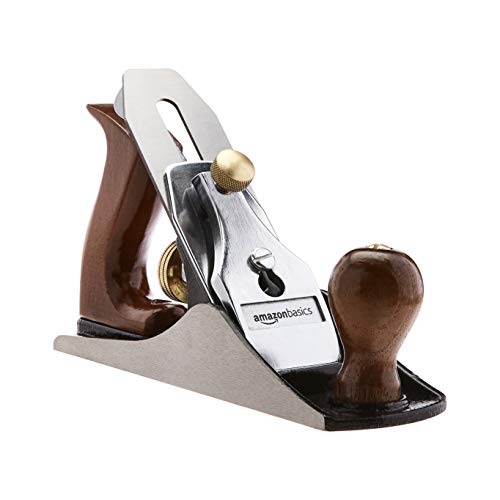 Amazon Basics No.4 Adjustable Precision Smoothing Bench Hand(Pack of 1)10 x 5.5 x 2.6 inches3.82 poundsCheck on Amazon



Choose by how much the door needs trimming
First find where the door is rubbing. Open and close it slowly, then mark the contact area with pencil or masking tape. Check the gap around the door as well: a typical interior door has roughly 1/8 inch at the sides and top, though the existing frame and floor may call for something different. If the door catches only at one high spot, planing just that area is less risky than cutting the whole edge.
For a small adjustment—around 1/16 inch or less—a block plane is easy to control. If you need to remove more than about 1/8 inch along much of the door, a longer bench plane or a circular saw with a guide may be more efficient. A power planer can remove material quickly, but its cutter can leave dips or chew up the ends if you are not practiced.
Hand planer options compared
| Tool | Best use | Trade-off |
|---|---|---|
| Low-angle block plane | Small adjustments, end grain, short tight spots | Short sole follows local bumps rather than reliably flattening a long edge |
| No. 4 bench plane | Trimming and straightening a longer door edge | Heavier and less convenient near corners; needs room for a full stroke |
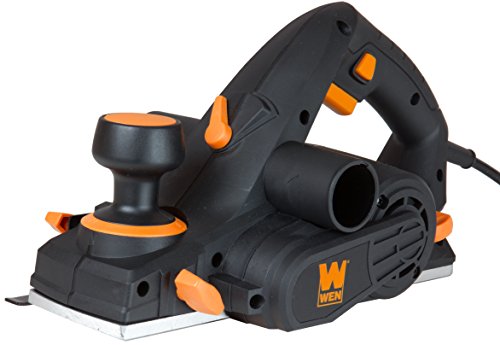
| Power planer | Removing substantial material quickly | Fast, but easier to gouge, taper, or overcut the door |
| Sandpaper or sanding block | Very minor fitting and smoothing | Slow for real stock removal and can round the edge |
A block plane is the practical pick for most homeowners doing a minor seasonal adjustment. Look for an adjustable mouth, a blade that can be set for a fine cut, and a sole that sits flat. A budget plane can do the job if its blade is sharp and the iron is seated securely; a premium plane is not necessary for one door. For a general-purpose option, compare low-angle block planes.
If the sticking edge is long or visibly uneven, a bench plane’s longer sole helps bridge shallow dips and high spots. A No. 4 size is a useful middle ground for door work, though it may feel bulky if you only need to shave a corner. A basic bench plane is fine for occasional use, provided the blade can be sharpened and adjusted; do not pay for a specialist smoother if the goal is fitting a door. See No. 4 bench planes.
Check the cause before removing wood
A door that sticks may not need planing. Loose hinge screws, a sagging hinge, or a shifted frame can cause rubbing that changes with the season. Tighten the hinge screws and check whether the door lifts as it closes. If a screw spins without tightening, a longer screw may reach the framing, but avoid forcing one if the hinge or jamb is damaged. Also check the floor: carpet or a raised threshold can make the bottom edge catch even when the side clearance is fine.
Take the door off its hinges if you need to work on a substantial section. Support it securely on padded sawhorses, and mark the amount to remove. A plane will not fix a badly twisted door or a frame that has moved; removing wood to compensate can leave an uneven gap when the problem changes later.
How to plane the edge cleanly
Set the blade for a very thin shaving. On a hand plane, the iron should protrude just enough to produce a continuous shaving without demanding force. Start with one or two strokes, test the fit, and repeat. It is easy to remove more wood; putting it back is not an option.
Plane with the grain where possible. Door stiles can have grain that changes direction, so if the plane tears fibers, reverse direction or take a lighter cut. At the end of a stroke, ease pressure to avoid rounding the edge. To reduce breakout at the corners, plane from each end toward the middle, or make a shallow chamfer on the far corner before working across the full edge. Keep the edge square unless the door’s existing shape calls for a slight bevel.
For a very small adjustment, a sharp block plane is enough. A dull blade tends to scrape, tear, or require extra pressure, which makes it harder to control. If you do not already own a sharpening setup, a ready-to-use plane or a basic sharpening stone is more useful than buying a larger tool for a one-off job. A hand-plane sharpening stone can maintain the edge, but follow its instructions and keep the bevel consistent.
When a power planer is worth it
Choose a power planer when you have several doors to fit or need to remove a noticeable amount from a long edge. Its speed is useful, but the cutter removes material in fixed-depth passes, so a shallow setting and frequent test fits matter. Keep the tool moving evenly; pausing can leave a hollow. Support the door well, use eye and hearing protection, and keep hands clear of the cutter and its path.
Power planers are a poor choice for a tiny correction on a finished door. They can chip veneer, leave ridges, and cut past the mark before you react. If you are removing more than a small amount from a veneered or hollow-core door, inspect the construction first: the face veneer is thin, and the bottom rail may not leave much room for trimming. In those cases, a hand plane gives better feedback, but it cannot replace missing structural material.
Test the fit and protect the edge
After each short round of planing, rehang the door and check its swing. Aim for consistent clearance rather than a perfect gap if the frame is out of square. Once it clears, smooth the cut edge with a fine sanding block, without rounding the corners. If you exposed bare wood, seal or paint it—especially at the bottom edge, where moisture can cause swelling. Stop as soon as the door closes freely; extra clearance can make the gap look uneven and let more light or sound through.