What's inside
As an Amazon Associate I earn from qualifying purchases. This post may contain affiliate links at no extra cost to you.
Our Top Picks


The short answer
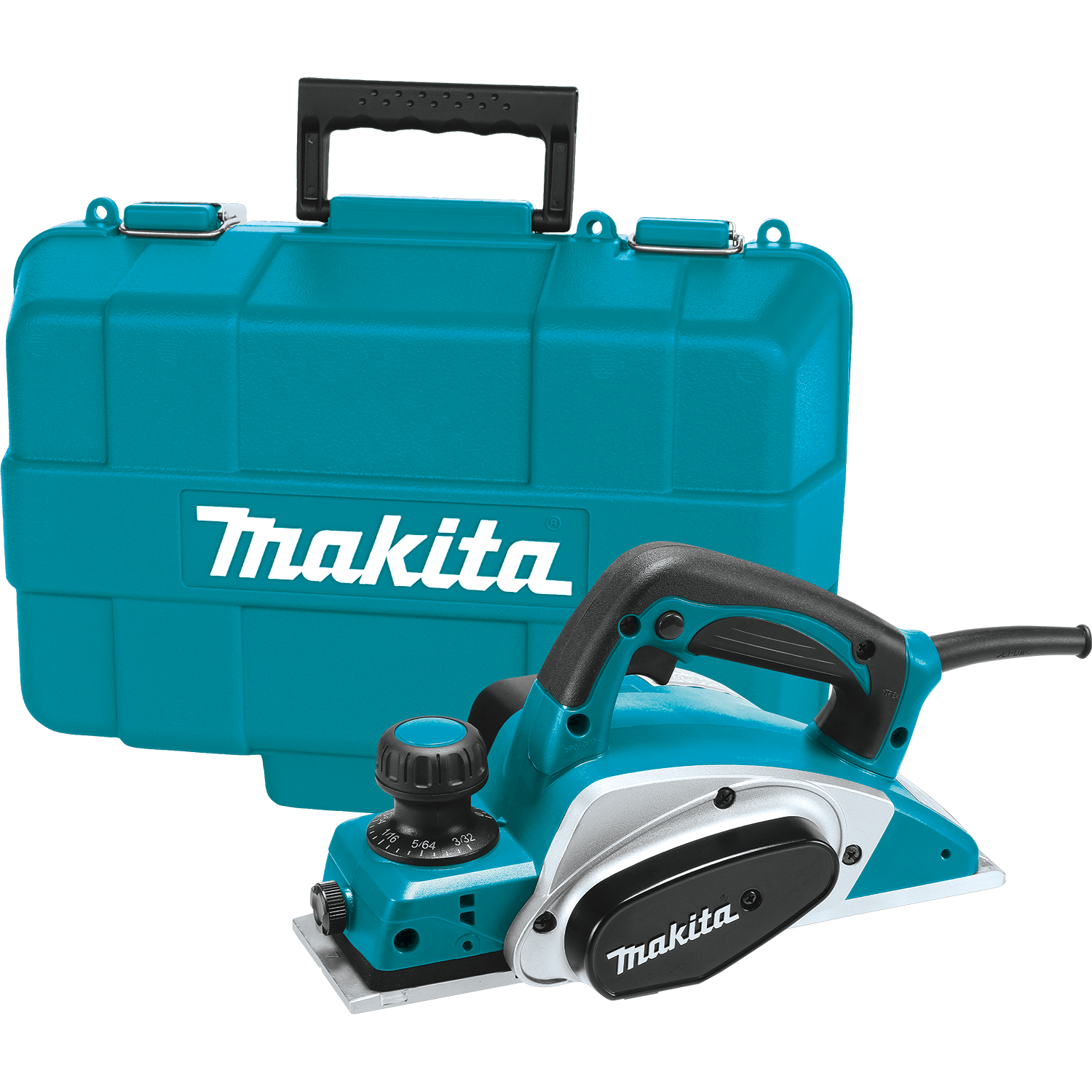
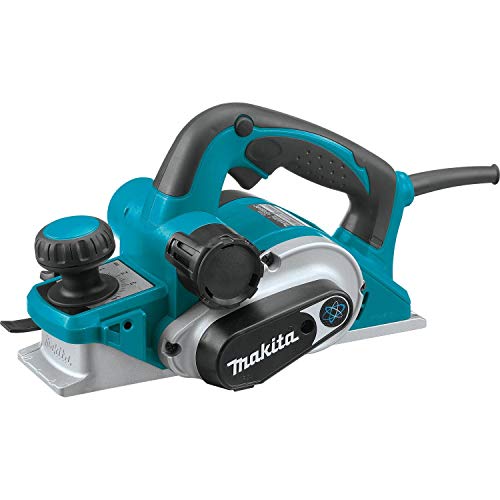
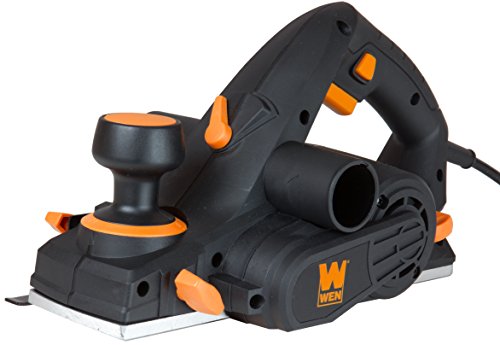
The Makita KP0800K and DeWalt DW680K are both 3¼-inch corded planers suited to trimming doors, easing edges and removing small amounts of wood. Their headline capacities are nearly identical: each cuts up to 3/32 inch in one pass and has a 3¼-inch-wide planing path. The choice is less about raw capacity than handling, cutter setup and the condition of the particular tool.
For occasional door fitting, either can do the job. Buy the better-priced model from a dependable seller, then spend time setting up a straight fence, sharp blades and dust collection. If you expect to plane multiple doors or work for long stretches, compare grip and balance in person if possible; comfort matters more than a small specification difference.
As an Amazon Associate we earn from qualifying purchases at no extra cost to you.


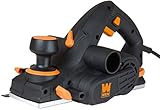
Specifications that matter
| Feature | Makita KP0800K | DeWalt DW680K |
|---|---|---|
| Planing width | 3¼ inches | 3¼ inches |
| Maximum cut depth | 3/32 inch per pass | 3/32 inch per pass |
| Motor rating | 6.5 amps | 7 amps |
| No-load speed | 17,000 rpm | 15,000 rpm |
| Weight | About 5.7 pounds | About 6.2 pounds |
| Typical kit contents | Case; accessories vary by package | Case; accessories vary by package |
These figures come from manufacturer specifications, but package contents and published weight can vary by market. Both tools are mains-powered, so neither is limited by battery runtime. Their similar cut limits mean a badly out-of-square door is not a one-pass correction: several controlled passes are safer than trying to remove the full 3/32 inch along the entire edge.
How they compare in use
The Makita is lighter by roughly half a pound and turns faster without load. That combination can make it feel nimble when you are working along an upright door edge or making short corrections. The DeWalt has a slightly higher amp rating, but that alone does not establish that it will cut faster or leave a better finish. Wood species, blade condition, feed rate and how firmly the shoe stays flat have a bigger effect on the result.
Both have adjustable depth settings and a front shoe that helps register the tool on the work. For door fitting, a parallel fence is useful when you need to take a consistent strip off an edge, but it does not replace marking the cut and checking the door in the opening. Confirm the fence is square to the shoe before relying on it. A skewed setup can leave a tapered edge that looks acceptable at the top and binds at the bottom.
Neither is a substitute for a jointer or a carefully set hand plane when you need a dead-straight, furniture-grade edge. A power planer removes material quickly, but it can also dig in at the start or end of a pass. Support the door securely, keep the front shoe flat as the cutter enters, and maintain pressure over the rear shoe as the tool exits. Test on scrap first, particularly if the door has veneer or a thin painted surface.
Which one should you buy?
Choose the KP0800K if its lower weight and comfortable grip suit your hands, or if it is meaningfully cheaper in your area. For fitting a few doors around the house, paying extra for the DeWalt’s motor rating is difficult to justify. Choose the DW680K if its controls feel more natural to you or you already own compatible DeWalt accessories. Check the exact package listing: a kit name does not guarantee that every seller includes the same accessories.
For either tool, replacement blades are a practical buying consideration. Check whether the model uses the blade type you can readily source, and whether the included blades are reversible or require sharpening, according to the manufacturer’s instructions. Keep a spare set available; a nicked blade can leave repeating tracks that are hard to sand out cleanly. Browse current Makita KP0800K listings and DeWalt DW680K listings, and compare included parts as well as price.
Using a planer to fit a door
First identify where the door rubs. Mark the contact area, remove the door if practical, and check for loose hinges or a sagging frame; planing the wrong edge will not fix those problems. Measure the gap you need and draw a clear cut line. If you are unsure how much material to remove, start with a shallow setting around 1/32 inch rather than the maximum depth. Make a pass, refit the door and check the clearance before taking more.
Plan with the grain where possible. Cutting against the grain can tear fibers, especially near the end of a stile. On a painted door, score the cut line with a sharp knife to reduce paint chipping, and take light passes. If the door is hollow-core or has a thin veneer skin, avoid removing enough material to expose the core; these doors have limited trimming allowance, and the maker’s instructions should set the limit.
Clamp the door on a stable surface and keep hands clear of the cutter path. Wear eye and hearing protection, and use a dust bag or vacuum connection if compatible. Wood dust is not harmless, and planing a painted door can create chips and dust that need separate care. After the fit is right, seal or repaint any exposed bare wood, particularly on an exterior door, to reduce moisture uptake and future swelling.
Accessories and when to skip a power planer
A fence helps control a straight cut; a dust extractor keeps the work area clearer. Neither corrects a warped door or a frame problem. If the adjustment is only a few thousandths of an inch, or the door has delicate veneer, a sharp hand plane offers more control and less risk of removing too much in one pass. A belt sander can work for small corrections, but it is easier to round over an edge or create a dip if you do not keep it moving evenly.
If buying a planer specifically for door work, compare the cost of the tool, blades and dust hookup against the number of doors you expect to fit. For one door, borrowing a planer or using a competent carpenter may be cheaper. For recurring trim work, either Makita or DeWalt is a capable corded option; choose based on price, handling and blade availability, then let careful setup—not the badge—determine the quality of the fit.