What's inside
As an Amazon Associate I earn from qualifying purchases. This post may contain affiliate links at no extra cost to you.
Our Top Picks


Best Hand Impact Driver Bit Set for Removing Stuck Slotted Screws
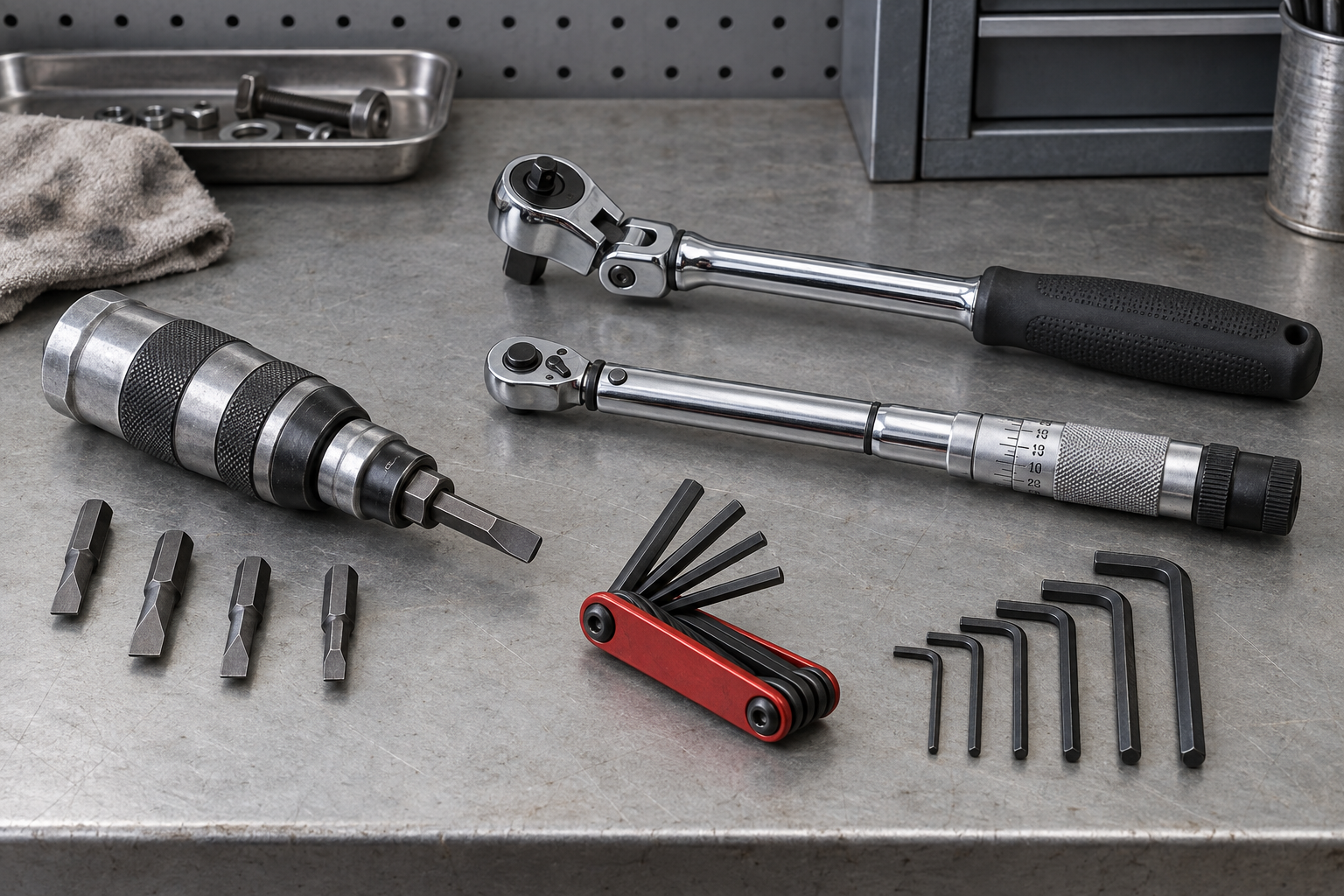
For a stuck slotted screw, the best setup is usually a manual hand impact driver with a 1/2-inch drive and a proper impact-rated slotted bit. You strike the driver with a hammer while holding it firmly in the screw head. The impact both drives the bit downward and turns it a small amount, helping prevent the bit from camming out of the slot.
A good set matters because slotted screws vary widely. A bit that is too narrow can twist or chew the slot. One that is too thick will not seat fully. For most household, automotive, and machinery repairs, look for a set with several wide slotted bits, a 1/2-inch hex or square-drive adapter, and bits made specifically for impact use.
As an Amazon Associate we earn from qualifying purchases at no extra cost to you.


What to buy
My preferred choice is a 1/2-inch hand impact driver set with slotted bits. The 1/2-inch drive is stronger than the small 3/8-inch designs and gives you more room to strike the tool without damaging it. It is the right size when screws are rusted, painted over, or installed with excessive torque.
Choose a set containing at least three slotted bit widths. Useful sizes are approximately 5 mm, 6 mm, and 8 mm wide, though manufacturers may list them in fractions of an inch. A narrow bit around 3 mm is useful for small hardware, but it should not be your only option. The bit should fill the screw slot from side to side without being forced in.
A set with only Phillips bits and one thin slotted bit is a poor choice for this job. It may be adequate for occasional light-duty repairs, but it gives you little margin when the screw head is damaged.
| Set type | Best use | Advantages | Limitations |
|---|---|---|---|
| 1/2-inch hand impact set | Rusty automotive and machinery screws | Strong driver, good hammer contact, handles wider bits | Bulkier and more expensive |
| 3/8-inch hand impact set | Household and medium-duty work | Compact and usually cheaper | Less reserve strength; fewer large slotted bits |
| Bit-only set | Replacing worn or missing bits | Low cost if you already own the driver | Not useful without a compatible impact holder |
| Standard screwdriver bit set | Loose or lightly tightened screws | Cheapest option and convenient for ordinary driving | Can shatter or twist under hammer impact |
Bit quality and fit matter more than the number of pieces
Impact bits are generally made from tougher steel and are designed to tolerate repeated shock. Do not assume that every bit sold in a large screwdriver set is safe to strike with a hammer. A standard chrome-vanadium bit can chip, bend, or split when used as an impact bit. Look for wording such as “impact rated” or a manufacturer’s clear instruction that the bits are suitable for hand impact drivers.
The bit must also have a square shoulder or other positive interface with the driver. Avoid improvised arrangements where a loose bit is held in a drill chuck, magnetic holder, or socket adapter not rated for impact. That setup can allow the bit to slip and damage the screw head or your hand.
For badly rusted screws, thicker bits are usually safer. A wide 8 mm bit has more cross-sectional steel than a narrow bit and is less likely to twist. However, it is useless if the screw slot is only 4 mm wide. Test the fit before striking: the bit should bottom out in the slot, with minimal side-to-side movement.
How to remove the screw without destroying it
First scrape paint, dirt, and rust out of the slot with a pick or small flat screwdriver. If the screw is corroded, apply penetrating oil and give it 10 to 30 minutes to work. Heat can help on metal parts, but keep it away from fuel, wiring, seals, and painted surfaces.
Set the hand impact driver to reverse, then place the correctly sized bit in the slot. Hold the tool square to the screw and press down firmly. Strike the end with a controlled blow from a ball-peen or machinist’s hammer. A 12- to 16-ounce hammer is sufficient for most work; a heavy sledge blow is more likely to bend the driver, split the screw head, or damage the workpiece.
Start with one firm strike rather than a series of light taps. If the screw does not move, add more penetrating oil, strike again, and try modest pressure on the driver. Once it turns, stop hammering and use the driver by hand to finish removing it.
Common failure modes
The most common mistake is using a bit that is too small. It may appear to engage because the tip touches the slot edges, but it concentrates force on two small points and quickly rounds them. A bit that is too large is also dangerous: it may rest on the screw head instead of seating in the slot.
Another failure is holding the driver at an angle. Even a few degrees of tilt can force the bit out during the strike. If access is cramped, a shorter bit or a smaller workpiece position is safer than using the driver diagonally.
Do not continue once the slot starts to deform. At that point, try a slightly wider impact bit if it still fits, or use locking pliers on an exposed head. For a flush or heavily damaged screw, drilling the head off may be the practical answer. A screw extractor can work, but extractors are brittle and require a centered pilot hole.
When the cheaper option is fine
If you remove a few clean screws from furniture, appliance panels, or light-duty hardware, a basic 3/8-inch hand impact set is usually enough. You do not need a large professional kit just because it contains more pieces. The important features are a secure driver, a correctly sized slotted bit, and impact-rated construction.
For frequent automotive work, rusted outdoor equipment, or old machinery, spend more on a 1/2-inch set with several wide slotted bits. The stronger driver and better bit selection cost less than repeatedly replacing damaged screws. A useful wide slotted impact bit set is particularly valuable when screw heads are large or deeply recessed.
Keep the bits clean and replace any tip that is visibly rounded, twisted, or chipped. A fresh bit often succeeds where a worn one fails, and it is cheaper than repairing a stripped screw or damaged casting.