What's inside
As an Amazon Associate I earn from qualifying purchases. This post may contain affiliate links at no extra cost to you.
Our Top Picks


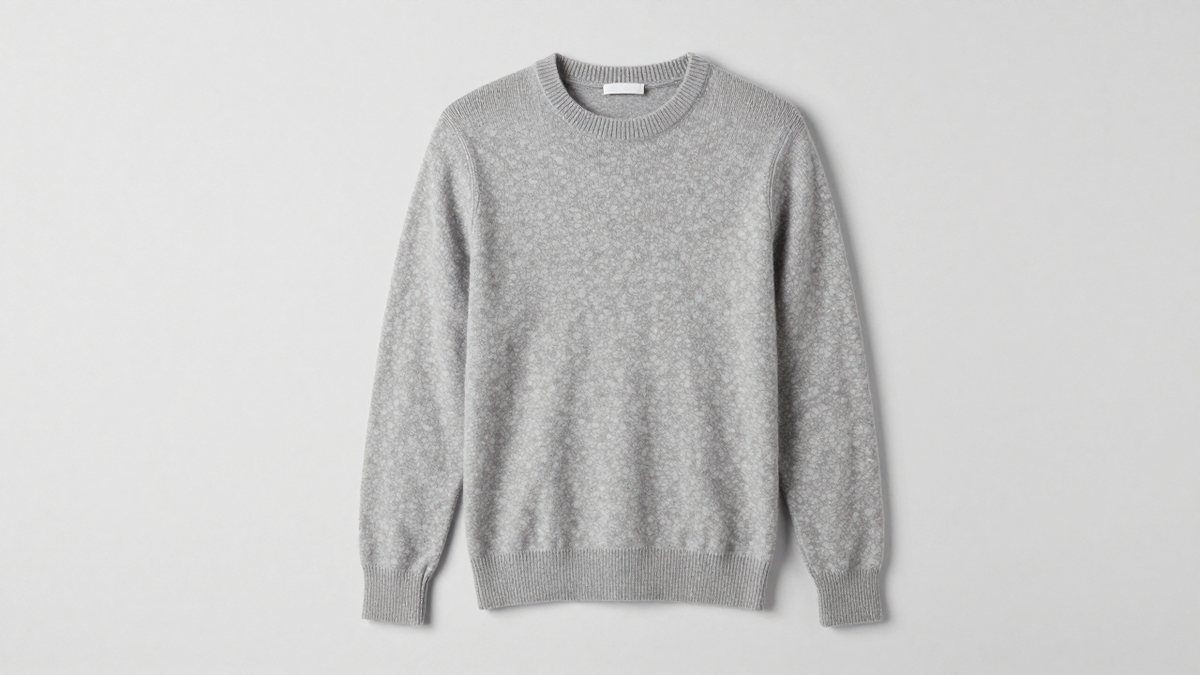
Best Cashmere Sweaters That Are Worth the Money
The best cashmere sweaters for repeated wear are usually tightly knitted, well-finished 2-ply garments made from long, fine cashmere fibers—not simply the softest or lightest sweaters on the rack. Check the yarn construction, knit density, seams, and care requirements before paying a premium; “Grade A” and gauge labels help only when a brand explains what they mean.
Quick picks by situation
- For frequent wear: Choose a midweight, 2-ply crewneck or V-neck with a compact knit and reinforced ribbing. It is more versatile and generally less fragile than a very fine, lightweight sweater.
- For layering: A single-ply, fine-gauge sweater feels lighter under a jacket. Treat it as a delicate layer, rotate it, and avoid carrying rough bags over it.
- For a first cashmere sweater: Look for a classic fit, a solid color, and a disclosed fiber composition from an established cashmere maker such as Johnstons of Elgin, N.Peal, or Naadam. Compare construction and return policies rather than choosing by brand name alone.
- For a limited budget: A well-made merino or cashmere-merino blend may be better value than the cheapest pure-cashmere option. Blend percentages should be clearly disclosed.
What makes cashmere resist pilling?
Pilling happens when loose fiber ends work out of the yarn and tangle on the fabric surface. Friction—especially at the underarms, cuffs, sides, and where a bag strap rubs—brings those ends together. Some pilling is normal in new cashmere and often eases after loose surface fibers are removed. Persistent, heavy pilling can point to a loose knit, short fibers, or high-friction wear; it is not determined by softness alone.
As an Amazon Associate we earn from qualifying purchases at no extra cost to you.


Two-ply versus single-ply
“Ply” describes how many yarn strands are twisted together. A 2-ply yarn uses two strands, generally producing a rounder, more stable yarn than a single strand of comparable fineness. That can help the sweater hold its shape and tolerate regular wear. It does not mean twice the warmth, nor does it guarantee that the yarn uses longer fibers or that the garment is tightly knitted.
Single-ply cashmere can be pleasant, light, and suitable for fine layering. Its thinner yarn may be more vulnerable to abrasion or snagging, depending on the knit and fiber quality. If you want one sweater for frequent use, a substantial 2-ply knit is usually the safer starting point.
“Grade A” and fiber length
Cashmere grades are not a universal consumer standard that guarantees a particular lifespan. Retailers may use “Grade A” to describe fine fibers, but grading methods and supporting details can vary. Fiber diameter, length, sorting, and yarn spinning all matter. Longer fibers generally produce fewer exposed ends in the yarn, which can reduce fuzz and pilling, but shoppers rarely receive independently verified fiber measurements.
Treat a grade label as one clue, not proof. Prefer brands that explain their sourcing and specifications, and inspect the actual garment: look for an even surface, consistent color, clean seams, and ribbing that springs back after a gentle stretch.
Gauge and knit density
Gauge usually refers to the number of knitting needles or stitches over a set width, but brands do not always report it consistently. A higher gauge often corresponds to a finer, lighter knit—not necessarily a more durable one. Weight and density are useful alongside gauge: a thin, open sweater may snag more readily, while a compact midweight knit can better suit regular wear. There is no single ideal gauge because yarn thickness and knitting machines vary.
| Construction clue | Typical feel or use | What it means for wear | Best fit for |
|---|---|---|---|
| Single-ply, fine knit | Light, thin, easy to layer | More susceptible to abrasion if the knit is open; handle gently | Occasional wear or layering under a smooth jacket |
| 2-ply, fine knit | Light to medium weight with a more stable yarn | A useful balance, though fine fabric still needs care | Office wear and regular rotation |
| 2-ply, compact midweight knit | More structure and coverage | Often the most practical choice for frequent wear; inspect seams and ribbing | A first or everyday cashmere sweater |
| Thick or brushed knit | Plush, warm, visibly fuzzy | May show surface fuzz and friction wear sooner; softness can disguise loose construction | Occasional cozy wear rather than heavy daily use |
How to choose by budget and wear frequency
| Your situation | What to choose | Trade-off to accept |
|---|---|---|
| Under about $100, occasional wear | Wait for a sale on a simple, clearly labeled cashmere sweater, or consider a disclosed blend | Check for lighter construction, limited colors, and less detailed sourcing information |
| About $100–$250, weekly rotation | Prioritize 2-ply yarn, a compact knit, and reinforced cuffs and hem | Expect to compare fit and finishing closely; price alone does not verify fiber length |
| About $250–$500 or more, long-term wardrobe piece | Look for detailed material and origin information, consistent finishing, and repair or care support | A premium price may reflect sourcing and craftsmanship, but does not eliminate pilling |
| Daily wear or frequent commuting | Choose a midweight 2-ply style and rotate it with other sweaters | Cashmere still requires more careful washing and abrasion management than many workhorse knits |
These are broad retail price bands, not fixed quality tiers. Promotions, country of origin, fiber sourcing, and brand positioning can move prices substantially.
Calculate whether the premium makes sense
Estimate cost per wear by dividing the purchase price by the number of wears you realistically expect. For example, a $240 sweater worn 60 times costs $4 per wear. A $120 sweater worn 20 times costs $6 per wear. The more expensive sweater is better value in this example—but only if it fits your routine and holds up. Rotation, gentle washing, and avoiding rough contact are part of that calculation, not optional extras.
Care habits that extend useful life
- Rotate sweaters: Give the fibers time to recover between wears, especially after a long day.
- Wash sparingly, but when needed: Follow the garment label. Hand-wash in cool water with a mild wool wash, avoid wringing, and dry flat. If the label permits machine washing, use a mesh bag, a wool or delicate cycle, and cool water.
- Remove pills carefully: Once the garment is dry, use a cashmere comb or fabric shaver with a light touch. Cutting or pulling pills can damage the knit.
- Store folded: Hanging can stretch the shoulders. Store clean, dry sweaters folded, and protect them from moths.
- Reduce friction: Smooth bag straps and rough coat linings can cause localized fuzzing. Avoid wearing a delicate single-ply knit beneath a rough outer layer.
For most buyers seeking a sweater that earns its cost, the strongest all-around choice is a compact, midweight 2-ply style with transparent material information and solid finishing. Choose a fine single-ply sweater for light layering, not as a shortcut to durability, and regard “Grade A” as a claim to investigate rather than a guarantee.