What's inside
As an Amazon Associate I earn from qualifying purchases. This post may contain affiliate links at no extra cost to you.
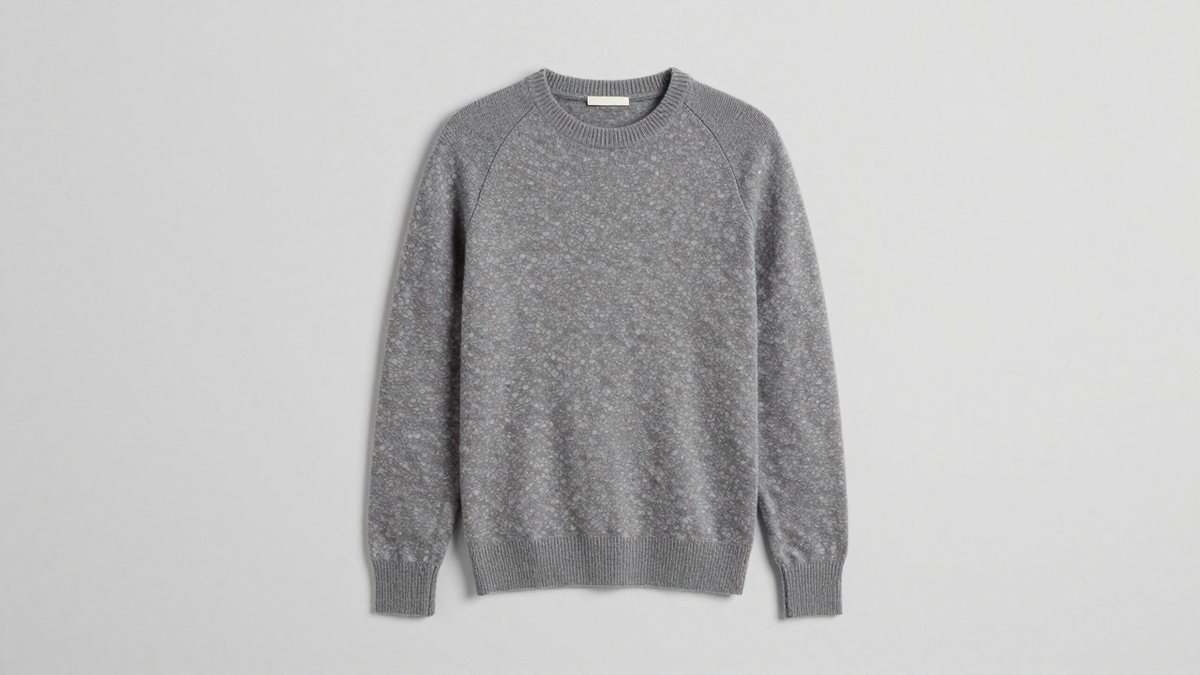
The best cashmere sweaters balance a 12- to 15-gauge knit, two-ply construction, long-fiber cashmere, and a close-but-not-tight fit; for most buyers, a well-made two-ply sweater is the best durability-versus-softness choice.
As an Amazon Associate we earn from qualifying purchases at no extra cost to you.


Our Top Picks


Quick picks by situation
| Situation | Best choice | Look for | Typical market range |
|---|---|---|---|
| Lowest sensible cost | Entry-level crewneck | 12–15 gauge, one-ply, 2–3% cashmere tolerance in labeling and construction details | $80–$150 |
| Frequent office wear | Two-ply crewneck or V-neck | Grade A fibers, 12–14 gauge, reinforced seams, ribbed cuffs | $150–$300 |
| Maximum warmth | Chunky two-ply or three-ply sweater | 5–8 gauge, 250–400 g finished weight, dense knit | $200–$450 |
| Light layering | Fine one-ply sweater | 16–18 gauge, approximately 150–220 g, smooth low-bulk knit | $100–$250 |
| Most demanding owner | Long-fiber two-ply cashmere | Traceable fiber information, compact knit, spare yarn or repair service | $250–$600+ |
These are useful buying ranges rather than guarantees. A high price does not automatically prove superior fiber length, and “100% cashmere” says nothing about ply, yarn quality, or finishing.
What matters most: grade, fiber length, and ply
Cashmere grade
Cashmere is commonly described as Grade A, B, or C, but grading systems are not perfectly standardized between sellers. Grade A generally indicates finer fibers, often around 14–15 microns in diameter; lower grades use coarser fibers. Finer cashmere feels softer, but softness alone is not a durability test. Extremely fine fibers can be more vulnerable to abrasion when the sweater is worn under a rough coat or carried beneath a shoulder bag.
Fiber length is just as important. Longer fibers create fewer exposed ends at the yarn surface, which can reduce fuzzing and pilling. Look for a brand that explains fiber origin, fiber length, or its grading method rather than relying only on the phrase “premium cashmere.”
One-ply versus two-ply
Ply is the number of yarn strands twisted together. A one-ply sweater can be soft, light, and excellent for layering, but its fabric usually offers less resistance to stretching and abrasion. Two-ply cashmere uses two strands and is normally the strongest all-purpose configuration. Three-ply and heavier constructions add warmth and substance, although they may feel less fluid and cost more.
Do not confuse ply with gauge. Gauge describes the knitting fineness: a higher number usually means a finer knit. A 16-gauge one-ply sweater is thin and light; a 12-gauge two-ply sweater is more substantial. Neither number is inherently better—the right combination depends on how you will wear it.
Head-to-head comparison of common sweater constructions
| Construction | Typical gauge | Approximate adult finished weight | Softness and warmth | Pilling and shape retention | Best use |
|---|---|---|---|---|---|
| Fine one-ply | 16–18 | 150–220 g | Very soft, light warmth | Moderate; can stretch at elbows and cuffs | Layering and mild indoor temperatures |
| Medium two-ply | 12–15 | 220–320 g | Soft, versatile warmth | Good when made with longer fibers | Everyday wear and office use |
| Heavy two-ply | 8–11 | 300–450 g | Warm and structured | Good, though friction still causes surface wear | Cold-weather standalone wear |
| Three-ply or chunky knit | 5–8 | 400–700 g | Warmest, less compact | Usually strong; may pill at high-friction zones | Outdoor layering and very cold rooms |
Best cashmere sweater styles for men and women
For men: the two-ply crewneck is the safest first purchase
A medium-weight two-ply crewneck works with jeans, tailored trousers, and a jacket. Choose a shoulder seam that ends close to the shoulder bone, a hem that sits flat without gripping the hips, and sleeves that reach the wrist bone. A ribbed neck should recover after being gently stretched; a loose, wavy collar is an early warning sign.
A V-neck is more useful over a collared shirt, but its neckline exposes more construction quality. Look for clean binding and no puckering at the point of the V. A cardigan is practical for temperature changes, but buttons and front edges add stress, so reinforced buttonholes matter.
For women: choose shape before decoration
A classic crewneck or relaxed V-neck is generally easier to wear repeatedly than a very fitted or cropped design. For a close fit, check the fabric in the bust and upper arms while moving; horizontal strain lines mean the knit is working too hard. For an oversized fit, buy the intended shoulder and body proportions rather than simply sizing up, since excessive sleeve and shoulder width can accelerate abrasion.
Cashmere blends with silk or wool may offer more structure and lower cost, while pure cashmere usually provides the softest hand. A blend is not automatically inferior: a small amount of durable wool can improve recovery, but the label should state the fiber percentages clearly.
How to choose the right size
- Measure a sweater you already like. Lay it flat and measure chest width from armpit to armpit, body length from the high shoulder to the hem, and sleeve length.
- Compare garment measurements, not only body size. A 40-inch chest sweater may be designed for a 40-inch body with little ease or a 36-inch body with a relaxed fit.
- Allow practical ease. For a close fit, about 2–4 inches of chest ease is common; for a relaxed fit, approximately 5–8 inches is more comfortable over a shirt.
- Check recovery. Gently pinch the fabric at the elbow and waistband, release it, and look for rapid return without a permanent baggy area.
- Inspect the finishing. Even stitches, aligned side seams, secure cuffs, and a flat neck rib usually matter more than a decorative logo.
Pilling, cleaning, and ownership costs
Pilling is caused by loose fibers tangling under friction. It commonly appears first beneath the arms, along the sides, at the cuffs, and where a seat belt, backpack, desk edge, or coat rubs. Some initial pilling is normal and does not necessarily mean the sweater is defective. Persistent heavy pilling after careful use points to short fibers, a loose knit, or repeated abrasion.
Wash cashmere only when needed. Air it after wearing, fold it rather than hanging it, and follow the care label. For hand washing, use cool water and a small amount of wool detergent; press out water in a towel instead of twisting. Dry flat in its original shape. A fine cashmere comb can remove pills, but use light strokes and avoid repeatedly thinning the same area.
A simple ownership calculation helps compare prices. Suppose a $180 two-ply sweater is worn 30 times per cold season for three seasons: that is 90 wears, or $2 per wear before cleaning. A $90 one-ply sweater worn 12 times per season for two seasons costs $3.75 per wear. The cheaper item wins only if it actually receives comparable use and survives the expected period.
Brands and product types worth considering
Established cashmere offerings from brands such as Naadam, Quince, Uniqlo, Everlane, and Johnstons of Elgin cover different points on the price and construction spectrum. Their ranges and specifications can change, so compare the current garment measurements, fiber description, ply information, and care instructions for the exact sweater rather than judging the brand alone.
For the best value, prioritize a clear fiber composition and a dense two-ply knit over a fashionable color or unusually low price. For the softest hand, choose fine Grade A-style fibers, but accept that softness does not eliminate pilling. For maximum longevity, favor longer-fiber information, medium gauge, secure finishing, and a fit that does not create constant friction.
Final verdict
The best cashmere sweater for most men and women is a medium-weight, two-ply, 12- to 15-gauge style made with clearly described long fibers and enough ease for comfortable movement. Choose fine one-ply cashmere when low bulk matters most, and choose a heavier two-ply or three-ply knit when warmth and structure outweigh lightness. Whatever the price, careful fit, low-friction wear, folding storage, and gentle washing will have a larger effect on service life than the label’s marketing language.