What's inside
- The best ball peen hammers depend on the work: choose a 16-ounce model for general shop use, a 24- to 32-ounce hammer for heavier forming, or a lighter hammer for delicate riveting and control.
- Ball peen hammer comparison by weight and job
- Choose by material, face, and handle
- Best choice for your situation
- Riveting and shaping: size the hammer to the job
- Keep it safe and serviceable
As an Amazon Associate I earn from qualifying purchases. This post may contain affiliate links at no extra cost to you.
Our Top Picks
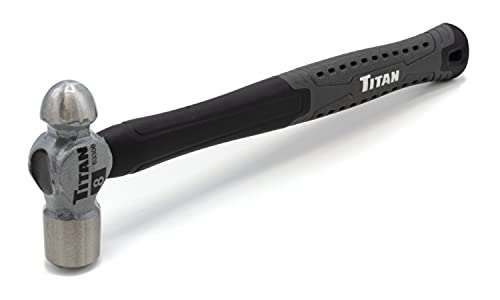
 Titan 63302 2-Piece Ball Pein Hammer Set2pc Set Ball Peen 8oz + 16oz2.4 x 3.9 x 12 inches0.5 poundsCheck on Amazon


The best ball peen hammers depend on the work: choose a 16-ounce model for general shop use, a 24- to 32-ounce hammer for heavier forming, or a lighter hammer for delicate riveting and control.
For most buyers, a forged steel head with a properly hardened striking face and a hickory or quality fiberglass handle is the sensible starting point. Match the hammer’s weight to the metal and task, then check that the handle is secure and the face is made for striking—not merely that the tool feels substantial.
Ball peen hammer comparison by weight and job
Nominal hammer weight usually refers to the head, not the complete tool. The figures below are practical starting points, not limits: material thickness, work support, and the force you need all affect the right choice.
As an Amazon Associate we earn from qualifying purchases at no extra cost to you.


| Head weight | Typical handle length | Best suited to | Trade-off |
|---|---|---|---|
| 8 oz (227 g) | 10–11 in (25–28 cm) | Small rivets, light peening, delicate bench work | Limited striking energy; easier to control in tight spaces |
| 16 oz (454 g) | 12–14 in (30–36 cm) | General metalworking, small repairs, occasional riveting | Versatile, but not efficient for moving heavy stock |
| 24 oz (680 g) | 14–16 in (36–41 cm) | Regular shop work, moderate forming, larger fasteners | More impact; demands a stable workpiece and controlled swing |
| 32 oz (907 g) | 16–18 in (41–46 cm) | Heavier forming and driving work where a larger blow is useful | Fatigue and accidental overstrikes become more likely |
For a first general-purpose hammer, a 16-ounce model is a reasonable compromise. If you are choosing between 16 and 24 ounces, consider how the tool will be used: repeated light rivet blows favor the lighter hammer, while moving or shaping thicker stock may benefit from the heavier one. A heavier hammer is not automatically more effective; poor control can damage the work or the tool.
Choose by material, face, and handle
Head material and face hardness
Forged steel is the standard choice for a durable ball peen hammer. The flat face is used for striking, while the rounded peen spreads or displaces metal. Many steel hammers are hardened and tempered at the working ends, but manufacturers do not all publish hardness values or use the same measurement method. Compare a stated hardness only when the manufacturer identifies the scale and the part of the head it applies to.
A striking face should be smooth, reasonably flat, and free of cracks, chips, or mushroomed edges. Do not use a ball peen hammer with a face that is too soft for the work: it can deform and shed metal. Conversely, an overly hard, damaged, or improperly ground face can chip. Avoid grinding or heating the striking ends unless the manufacturer specifically permits it; changing their heat treatment can make them unsafe.
For delicate finished surfaces, a steel face can leave marks. Use a suitable soft-faced hammer or a protective intermediary instead of assuming a ball peen hammer is gentle enough. The peen is for shaping metal, not for striking hardened punches, chisels, or other tools unless the tool maker approves that use.
Hickory, fiberglass, and steel handles
- Hickory: A traditional wood handle absorbs some vibration and can be replaced if it wears or breaks. Inspect it for cracks, looseness, and damage near the head. Keep it dry and do not soak it in water to tighten the fit.
- Fiberglass: Often chosen for a durable, low-maintenance grip. Check for cracks, exposed fibers, or movement at the head, and replace the hammer if the handle is damaged. The feel and vibration vary by design.
- Steel: A one-piece or steel-shaft hammer can provide a robust assembly, often with a rubber or other grip covering. It may transmit more vibration to the hand, and a damaged grip can make it uncomfortable or slippery.
Whatever the material, the head must remain firmly attached. A loose head is a stop-use condition, not a minor annoyance.
Best choice for your situation
| Your situation | Practical choice | Why |
|---|---|---|
| New to metalworking or occasional repairs | 16 oz forged-steel head, hickory or fiberglass handle | Manageable weight for learning control and useful across common shop tasks |
| Small rivets or light, precise bench work | 8–12 oz head with a shorter handle | Lower swing effort helps place repeated blows accurately |
| Frequent forming or heavier stock | 24–32 oz head, chosen to suit the workpiece and support | Greater mass can move metal with fewer, controlled blows |
| Limited storage or tight working area | Shorter handle and a lighter head | Needs less swing clearance and is easier to position |
| Frequent shop use where downtime matters | Well-made forged head with a replaceable hickory handle, or a durable fiberglass model | Handle choice affects repairability, upkeep, and comfort over repeated use |
If you mean the best dead blow ball peen hammer, treat that as a different tool category. Dead-blow hammers use a hollow head with internal shot or another filling to reduce rebound. They can be useful when you want a controlled impact with less bounce, but their faces and construction are not automatically suitable for peening or deforming metal. Check the maker’s intended uses and face material; for forming work, use a conventional ball peen hammer unless the dead-blow model is specifically designed for it.
Riveting and shaping: size the hammer to the job
For riveting, the goal is controlled, repeatable blows that form the rivet head without bending the shank or marking surrounding material. A lighter hammer is often easier to control on small rivets. For larger rivets, a heavier hammer may help, but support the work close to the joint and use an appropriate backing tool. The rivet size, material, and setting method matter more than a single universal hammer-weight rule.
For shaping sheet or bar, work on a suitable anvil or forming surface and use the peen intentionally. A narrow peen concentrates impact; the ball end produces a rounded deformation. Make gradual passes and inspect the work between them. Heavy blows on unsupported thin sheet can stretch or buckle it unpredictably.
Keep it safe and serviceable
- Before work, check the head for cracks, chips, and mushrooming, and confirm that it does not move on the handle.
- Wear eye protection and secure the work. Keep hands clear of the impact zone and use a hammer suited to the target tool and material.
- After use, wipe off oil, moisture, and metal residue; store the hammer dry. A light protective coating can help prevent rust on an exposed steel head.
- Replace a damaged handle or retire the hammer if the head is loose, the face is badly deformed, or the head is cracked. Do not try to repair a cracked head by welding.
- Avoid striking with the side of the head or using the ball peen as a pry bar. These uses can damage the tool and create a risk of fragments or loss of control.
For most shop owners, the best ball peen hammers are not the heaviest or most elaborate: they are the correctly sized, well-fitted tool with sound striking faces and a handle that suits the pace and precision of the job. Start with 16 ounces for general use, then add a lighter or heavier hammer only when your work consistently calls for it.