What's inside
- Quick picks by route and conditions
- What stiffness do you actually need?
- Head-to-head: Scarpa Mont Blanc Pro GTX versus La Sportiva Nepal Cube GTX
- Waterproofing and insulation: do not confuse the two
- Crampon compatibility is a system, not a marketing label
- Fit and break-in: the decisions that prevent painful days
- Decision matrix for choosing your pair
- Ownership realities: what wears first
- Final buying advice
As an Amazon Associate I earn from qualifying purchases. This post may contain affiliate links at no extra cost to you.
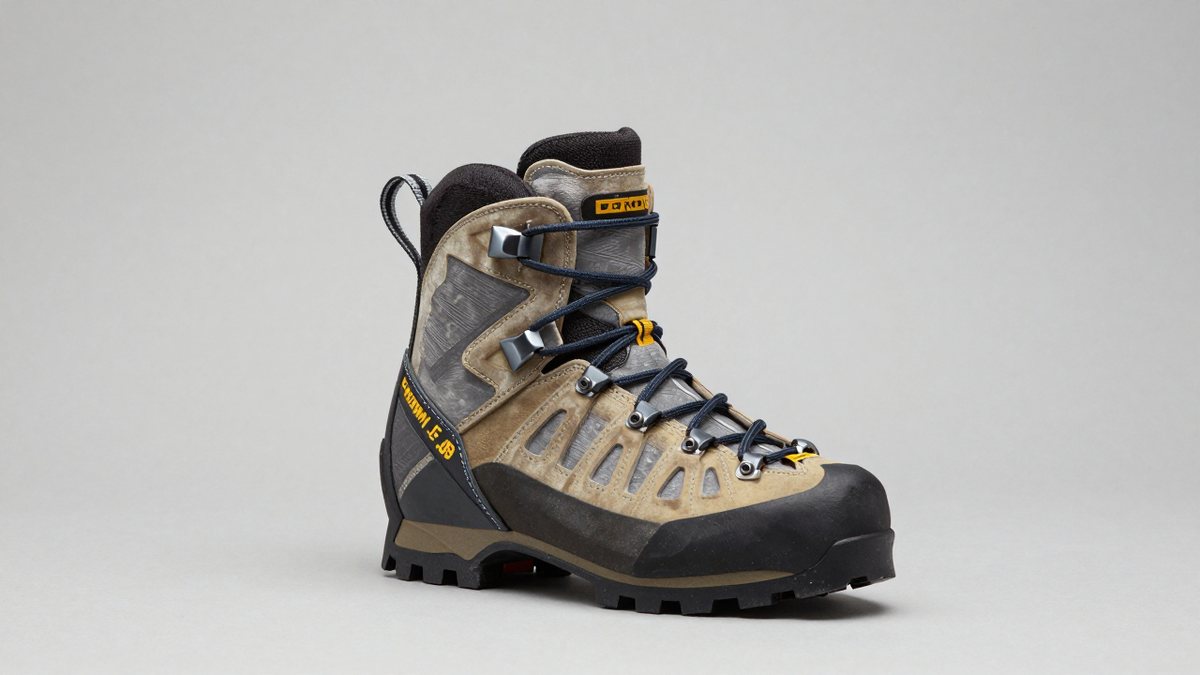
The best mountaineering boots for long alpine days are stiff enough for precise edging and crampon control, but not so rigid, heavy, or insulated that they punish your feet on approaches: for most mixed alpine and glacier routes, the Scarpa Mont Blanc Pro GTX and La Sportiva Nepal Cube GTX are the strongest all-round choices, while lighter boots suit warm, technical days and insulated boots suit cold, high-altitude objectives.
As an Amazon Associate we earn from qualifying purchases at no extra cost to you.


Our Top Picks



Quick picks by route and conditions
| Best for | Boot type or pick | Typical weight | Crampon fit | Main reason to choose it |
|---|---|---|---|---|
| Mixed alpine routes and long glacier days | Scarpa Mont Blanc Pro GTX | About 1,700–1,900 g per pair | Semi-automatic; usually compatible with automatic systems where the heel and sole are suitable | Balanced stiffness, warmth, and walking comfort |
| Cold, technical, and higher-altitude routes | La Sportiva Nepal Cube GTX | About 1,600–1,800 g per pair | Automatic or semi-automatic, depending on crampon and boot fit | Precise edging with useful insulation at a relatively low weight |
| Warm-weather alpine rock and glacier approaches | Lightweight B2 mountaineering boot | About 1,100–1,500 g per pair | Usually semi-automatic | Less fatigue and faster movement on mixed approaches |
| Durable, supportive all-round use | Lowa Alpine Expert II GTX | About 1,700–2,000 g per pair | Typically semi-automatic | Firm platform and substantial protection for varied terrain |
| Cold expeditions and prolonged snow travel | Double or highly insulated mountaineering boot | Often 2,000–3,000 g or more per pair | Automatic | Warmth, drying options, and reliable performance in freezing conditions |
Weights vary with size, production version, and whether the manufacturer quotes one boot or a pair. Treat the figures as comparison ranges, not laboratory measurements. A boot’s category matters more than a small difference in grams.
What stiffness do you actually need?
Flexible hiking and approach boots
Flexible boots are comfortable on ordinary trails but are a poor choice for sustained front-pointing, steep snow, or technical crampon work. The sole can bend around a crampon, reducing control and creating pressure points. They work for approaches and easy summer snow only when crampon use is occasional and the terrain is low consequence.
B2 boots: the practical alpine middle ground
A B2 boot has a stiffened sole and a heel welt for semi-automatic crampons. This is the most useful category for many alpine climbers. It handles glacier travel, firm snow, moderate ice, scrambling, and mixed routes without the walking penalty of a fully rigid expedition boot.
B3 boots: precision over comfort
B3 boots are rigid enough for sustained front-pointing and technical mixed climbing. They are the right tool for steep ice, demanding mixed terrain, and routes where edging accuracy matters more than natural walking. On long, flat approaches, that rigidity increases fatigue and can make the boot feel awkward.
A simple test is to hold the boot at both ends and try to bend the forefoot upward. A proper mountaineering boot should resist strongly, but this home test cannot replace checking the manufacturer’s crampon category and the actual boot-crampon combination.
Head-to-head: Scarpa Mont Blanc Pro GTX versus La Sportiva Nepal Cube GTX
Scarpa Mont Blanc Pro GTX
The Mont Blanc Pro GTX is a strong all-rounder for climbers who combine long approaches with glacier crossings, alpine rock, and moderate technical snow. Its structured upper and firm sole provide dependable edging, while the insulated construction is more forgiving than a thin, warm-weather boot on early-morning starts.
Choose it if you want one boot for frequent alpine use and value a balanced walking feel. It is less appealing for hot, dry approaches where ventilation and low weight are the priority, and it may be insufficient for very cold expedition objectives compared with a true double boot.
La Sportiva Nepal Cube GTX
The Nepal Cube GTX emphasizes low weight for an insulated B3-style boot. It is well suited to technical alpine routes, steep snow, and mixed climbing where a precise platform is valuable. The rigid sole works especially well with compatible automatic crampons, but the same rigidity requires more careful foot placement on ordinary trails.
Choose it when technical control and cold-weather performance outweigh all-day trail comfort. Climbers with wide feet should pay close attention to the last: a boot that is technically excellent but too narrow will become a liability over a long summit day.
Waterproofing and insulation: do not confuse the two
A waterproof membrane such as GORE-TEX helps block liquid water, but it does not make a boot warm. Warmth comes from insulation, the thickness of the upper, the fit, your socks, and how much you move. A waterproof, lightly insulated boot may be ideal for summer glacier routes; it can be uncomfortably cold during slow belays or winter bivouacs.
- Warm summer alpine routes: choose moderate insulation and good moisture management.
- Shoulder-season snow and mixed climbing: choose insulated single boots with a rigid sole.
- Very cold or multi-day snow objectives: consider a double boot with a removable inner liner.
Waterproof membranes also breathe less effectively when the outside fabric is saturated or when your pace is high. Gaiters, careful drying, and avoiding cotton socks often matter as much as the membrane specification.
Crampon compatibility is a system, not a marketing label
Match the boot and crampon before buying. Automatic crampons require both a front toe welt and a heel welt with the correct shape and height. Semi-automatic crampons use a heel lever and a flexible basket at the toe. Strap-on crampons are more universal, but they are generally less secure for technical front-pointing.
After fitting, lock the crampon onto the boot and pull firmly in several directions. The boot should not rock inside the binding, the heel lever should close without excessive force, and the points should sit symmetrically beneath the sole. Walk on flat ground and check again after a few minutes. A compatible category does not guarantee a perfect fit across every brand.
Fit and break-in: the decisions that prevent painful days
Try boots late in the day, wearing the socks you will use in the mountains. Your feet normally expand during activity, so a perfect morning fit can become too tight later. Your toes should not touch the front when standing, but your heel should remain controlled while descending stairs.
- Wear the boots indoors for 30–60 minutes and check for pressure over the toes, instep, ankle bones, and heel.
- Walk on stairs and an incline. Downhill movement reveals whether the heel slips or the toes hit the shell.
- Use the intended crampons and flex your ankles. Look for pressure caused by the binding or heel welt.
- Progress to short local walks before committing to a full alpine day.
Rigid leather or synthetic mountaineering boots may need several outings for the upper and footbed to settle, but they should not require enduring sharp pain. Do not assume an oversized boot will solve warmth problems: excess volume allows heel lift, reduces precision, and can create friction. If fit remains questionable, consult a specialist boot fitter or podiatry professional rather than forcing the issue.
Decision matrix for choosing your pair
| Your typical use | Recommended stiffness | Insulation | Priority |
|---|---|---|---|
| First glacier course, occasional trips, long trail approach | B2 | Light to moderate | Comfort, semi-automatic crampon fit, manageable break-in |
| Frequent alpine climbing on rock, snow, and moderate ice | Firm B2 or B3 | Moderate | Edging precision, durability, balanced weight |
| Steep ice or technical mixed routes | B3 | Moderate to high | Rigid sole, secure automatic crampon interface |
| Cold expedition or slow-moving winter objective | Expedition B3 or double boot | High or removable liner | Warmth, drying, and protection over walking comfort |
| Mostly warm rock routes with short snow sections | Light B2 | Low to moderate | Low weight, ventilation, and scrambling comfort |
Ownership realities: what wears first
The outsole edges and toe rubber usually show wear first, especially during rocky approaches. Crampon welts, laces, lace hooks, and waterproofing treatments are other common failure points. Replace worn laces promptly; a broken lace on a remote route can compromise fit and security.
After each trip, remove the insole, brush away grit, and dry the boots at room temperature. Keep them away from radiators, fires, and hot car heaters, which can damage adhesives, leather, foam, and waterproof membranes. Rinse salt and mud with cool water, let the boots dry fully, and reapply the manufacturer-approved conditioner or water-repellent treatment. Do not coat technical synthetic uppers with heavy wax unless the manufacturer allows it.
Budget for replacement before the tread is completely smooth. A rough ownership estimate illustrates the trade-off: a $500 pair used on 25 demanding days per year for three years costs about $6.67 per use before resoling or repairs. A $300 pair that lasts only one season at 15 days costs $20 per use. Durability, fit, and repairability can matter more than the initial price.
Final buying advice
For one pair covering most glacier routes, alpine rock approaches, and moderate snow climbs, start with a well-fitting B2 or moderately rigid insulated boot such as the Scarpa Mont Blanc Pro GTX. Choose the La Sportiva Nepal Cube GTX when technical precision, crampon control, and lower weight matter more than relaxed trail walking. Move to a true B3 or double boot only when your terrain and temperatures justify the additional stiffness, weight, and cost.
The best mountaineering boots are ultimately the pair that fits securely with your crampons, leaves room for natural foot expansion, and matches the coldest and most technical conditions you regularly face—not simply the lightest pair on a specification sheet.