What's inside
As an Amazon Associate I earn from qualifying purchases. This post may contain affiliate links at no extra cost to you.
Our Top Picks


Short answer
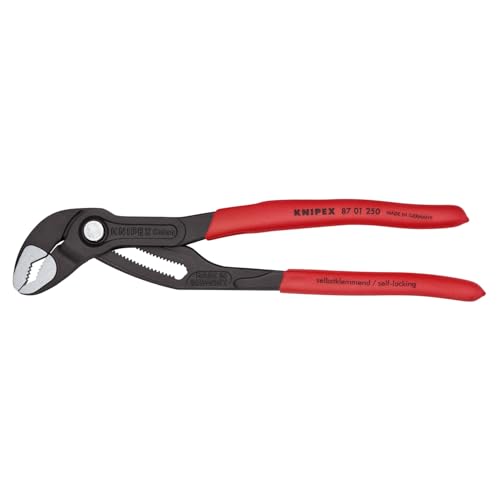
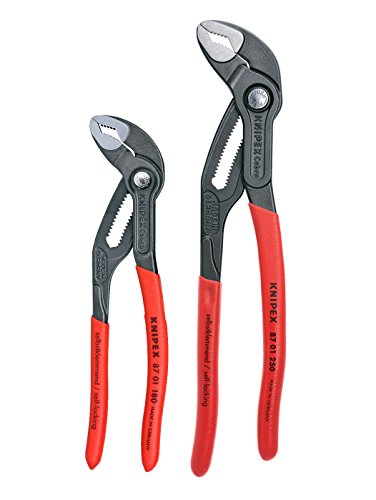
For repeated size changes while gripping a fitting, Knipex Cobra water-pump pliers usually adjust faster: press the button, slide the lower jaw, and release. Channellock tongue-and-groove pliers use a conventional tongue-and-groove adjustment, which typically takes more hand movement and may require unloading the jaws first. But neither design should be adjusted while carrying a heavy load. If you mean adjusting between grips during a plumbing or repair job, the Cobra has the speed advantage. If you mean changing settings safely while the tool is under force, stop and release the pressure first.
What “faster under load” really means
These are adjustable pliers, not ratcheting wrenches. Their jaws grip by hand pressure; the joint does not tighten itself as you turn. “Under load” can mean the jaws are still clamped on a pipe or nut when you want to change the opening. That is a poor time to move either tool’s adjustment: pressure can bind the joint, make the setting hard to change, or cause the jaws to slip suddenly.
As an Amazon Associate we earn from qualifying purchases at no extra cost to you.


A fair comparison is how quickly each tool can be repositioned once you ease off the workpiece. On that measure, the button-and-slide mechanism on a Cobra is generally quicker to set and reset than the familiar tongue-and-groove arrangement on Channellock pliers. Exact speed depends on the size of the tool, how worn or dirty it is, and whether you can reach the adjustment with one hand.
How the adjustments differ
On a Cobra, press the push button, slide the lower jaw along the handle, then release the button to lock the jaw into a new position. The button offers a direct, repeatable adjustment, and the jaw can move through its available settings without the same step-by-step repositioning associated with many traditional groove-joint tools. That makes the Cobra handy when switching between fittings of different diameters.
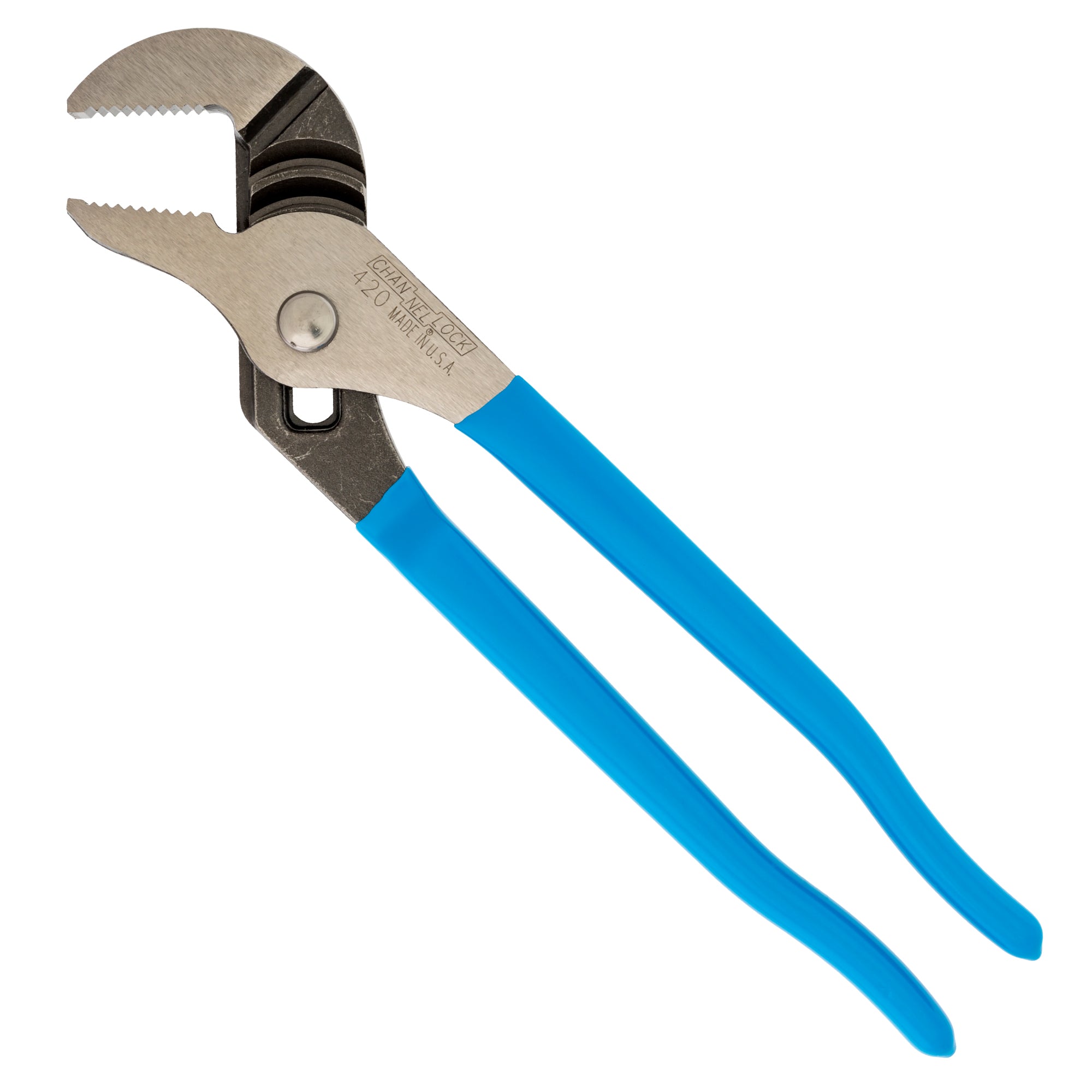
Channellock tongue-and-groove pliers use a sliding joint that seats into one of a series of grooves. To change the opening, you shift the handles and reset the joint in another groove. It is a simple, durable arrangement, and experienced users can do it quickly. Still, it can take an extra attempt to land on the setting you want, especially if the handles are awkwardly oriented or the jaws are still gripping an object.
Do not confuse quick adjustment with better holding power. Both tools need the jaw opening set correctly and the workpiece placed well into the jaws. A poor fit, worn teeth, oily surfaces, or pulling at an angle can cause either pair to slip. On a stubborn fitting, slipping can round edges or send your hand into nearby metal.
Comparison at a glance
| Factor | Channellock tongue-and-groove | Knipex Cobra |
|---|---|---|
| Adjustment method | Move the joint to another groove | Press button and slide the jaw |
| Speed between sizes | Quick with practice; can take a reposition | Usually quicker and more direct |
| Adjustment under gripping force | Not recommended | Not recommended |
| Best fit | General plumbing and maintenance on a budget | Frequent size changes and controlled one-hand setup |
| Main trade-off | Less convenient to reset repeatedly | Higher purchase cost for a faster adjustment system |
Grip, control, and common failure modes
Both designs depend on keeping the jaws square to the work. Set the opening so the teeth engage without holding the handles at their widest reach, and grip close to the jaw tips only when the workpiece shape allows secure contact. If you are turning a pipe or fitting, use enough jaw contact to avoid concentrating force on one edge. When a fitting is fragile, plated, or already damaged, either tool may mark it; consider a strap wrench or a protective jaw cover instead.
The main adjustment-related failure is trying to force the joint while the pliers are loaded. That can make the setting bind. Another is picking a jaw opening that is too large, then squeezing harder to compensate. The tool can walk off the workpiece, damage the fastener, or pinch your fingers. Release pressure, reset the jaws, and check engagement before applying force again. Do not extend the handles with a pipe for extra leverage; that can overload the tool and reduce control.
Which one should you buy?
Choose Cobra if you regularly move between several pipe or fitting sizes, work in cramped spaces, or value fast adjustment enough to pay more. It is particularly convenient for service work where a tool may be reset dozens of times in a day. A Knipex Cobra pliers search is a useful starting point; compare the jaw capacity and overall length against the fittings you actually handle.
Channellock is the sensible choice when the pliers will be used occasionally, the budget is tighter, or you already own a size that fits the job. Once set, a sound pair can grip and turn ordinary plumbing and maintenance work without requiring the quicker button adjustment. The extra few seconds between settings matter less if you are working on one or two fittings rather than changing sizes all afternoon. Browse Channellock tongue-and-groove pliers by capacity and handle length, not just by brand.
A faster, safer way to reset either tool
Before changing the opening, remove turning force and loosen your grip enough to take the load off the joint. Move the jaws to a setting that leaves a small amount of clearance around the workpiece, then seat the teeth squarely. Test the bite with modest hand pressure before applying full force. If the pliers keep slipping, do not compensate by squeezing harder: choose a better-fitting tool or a different method.
The verdict is straightforward: Cobra is faster to adjust between sizes, especially during repetitive work. Channellock remains a capable, often less expensive option when changes are infrequent. Neither should be adjusted while carrying a hard load, so the practical advantage is speed after you release the workpiece—not a safe way to alter the grip mid-turn.