What's inside
As an Amazon Associate I earn from qualifying purchases. This post may contain affiliate links at no extra cost to you.
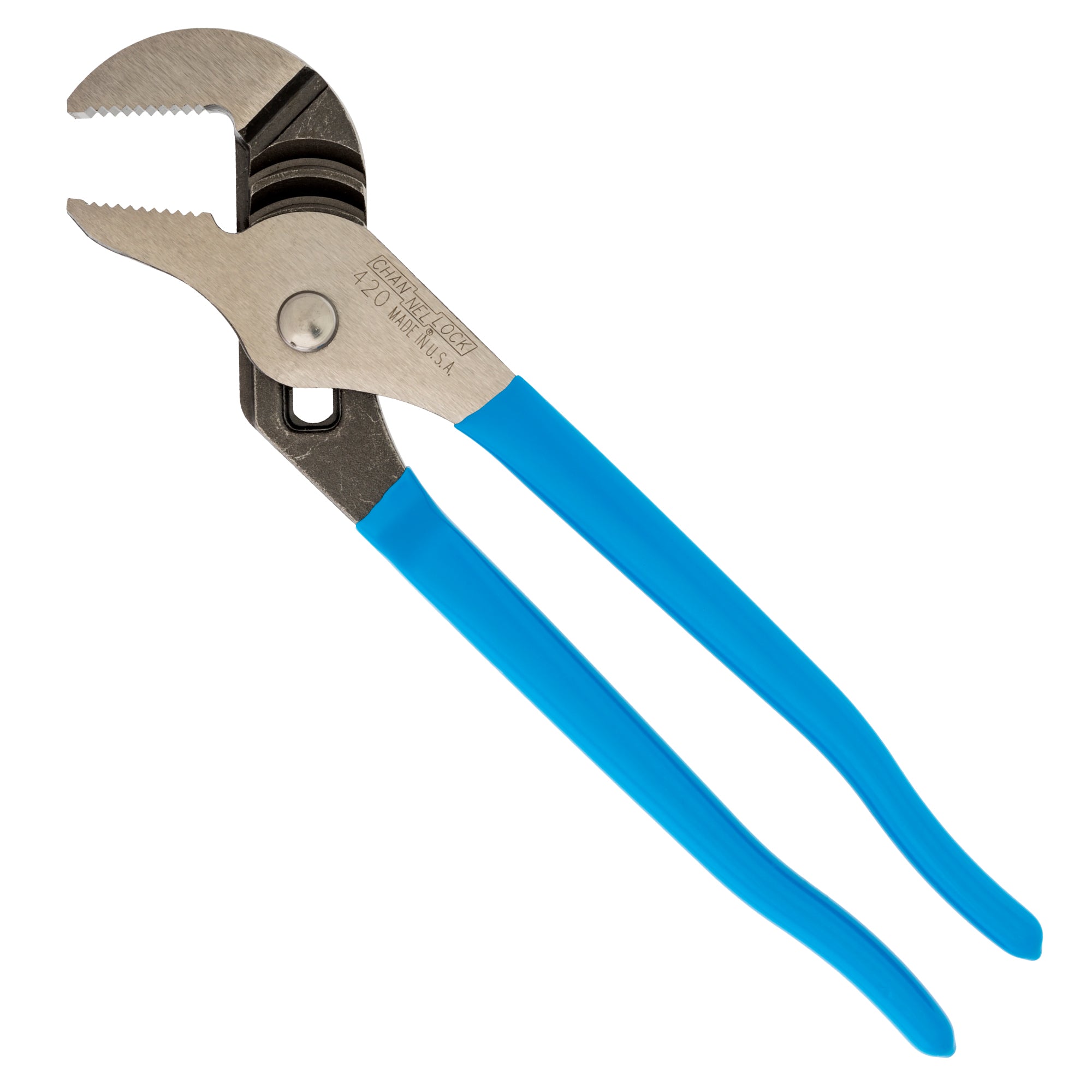
The Knipex Cobra and Channellock 420 are both adjustable water pump pliers, but they suit different priorities. The Cobra’s push-button adjustment makes it quick to size and gives it a strong grip on varied shapes. The 420 is a traditional groove-joint design that costs less and can be a sensible choice for occasional plumbing work. Neither is a substitute for a properly sized wrench when a fitting must not be marred.
As an Amazon Associate we earn from qualifying purchases at no extra cost to you.


Our Top Picks


Size and adjustment
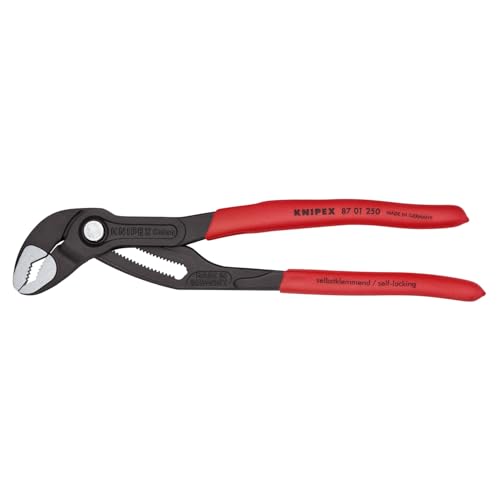
The Channellock 420 is a 9.5-inch plier with five adjustment positions and a published capacity of 1.5 inches. The Knipex Cobra is sold in several lengths; the familiar 10-inch version has a maximum capacity of about 2 inches. Check the specifications for the exact size before buying, since “Cobra” refers to a product line rather than one tool.
That extra capacity matters when you work on larger nuts, unions, or pipe fittings. It does not mean the Cobra is automatically better for every job: a tool that is too large is awkward in a cramped vanity cabinet. For sink supply connections and small household repairs, the 420’s capacity is often enough.
The Cobra’s release button lets you slide the jaw directly to the position you want, then lock it in place. The 420 adjusts by opening the handles and moving the tongue through its groove. Both systems work; the Cobra is faster to set precisely, while the 420’s simpler mechanism is familiar and straightforward. Keep fingers clear of the moving joint on either tool.
Grip and control
Both tools use serrated jaws to bite into round or irregular work. The Cobra’s jaw geometry and fine adjustment steps make it easy to get a close fit, which helps reduce slipping when you can’t fully open the handles. Its narrow head can also be useful around fittings where a bulky wrench would be difficult to position.
The 420 is a capable gripping plier, but its coarser adjustment can leave a less exact fit on some work. If the jaws contact only the corners of a hex nut, or the pliers sit at an angle, the tool can slip and round the fitting. Take a moment to seat both jaws squarely and apply force in a controlled direction. Don’t use either plier as a hammer or add a pipe to the handle for extra leverage.
At a glance
| Feature | Knipex Cobra (10-inch version) | Channellock 420 |
|---|---|---|
| Length | About 10 inches | 9.5 inches |
| Published capacity | About 2 inches | 1.5 inches |
| Adjustment | Push-button, fine positions | Groove-joint, five positions |
| Best fit | Frequent use, varied sizes, larger work | Occasional repairs and smaller fittings |
| Main trade-off | Higher purchase price | Less capacity and less precise adjustment |
Protecting fittings and avoiding damage
Serrated jaws can leave marks on chrome, brass, plastic, and finished surfaces. On a visible faucet nut or decorative plumbing fitting, use a smooth-jaw wrench or put a protective layer between the jaws and the work. A rag can help, but it also makes the grip less secure; if the tool starts to slip, stop rather than squeezing harder.
For tightening a threaded plumbing connection, follow the fitting maker’s instructions and use the correct wrenching surfaces. Don’t grip a thin tube, valve stem, or plastic body when a nut is provided for the wrench. On a stuck fitting, support the adjoining pipe or valve so the force does not twist the plumbing inside the wall. A damaged fitting or hidden leak can cost far more than a better-fitting tool.
Which one should you buy?
Choose the Cobra if you expect to use water pump pliers regularly, need the greater capacity of the 10-inch version, or often move between different-sized workpieces. The quick adjustment is useful when access is awkward and you need to reset the jaws repeatedly. If you want that style, compare the Knipex Cobra 10-inch pliers with the size you actually need rather than buying the largest version by default.
Choose the 420 if your jobs are occasional, your fittings fit within its capacity, and you would rather spend less on a reliable basic plier. For tightening a few hose connections or gripping a small stubborn part, the 420 can be entirely adequate when used carefully. Check the Channellock 420 price against other sizes before deciding; the right length is more useful than paying for capacity you will not use.
Buy for the fitting, not the label
If the work is mainly on hex nuts, a correctly sized adjustable wrench is usually a better choice than serrated pump pliers because it contacts the flats without biting into them. For plastic or finished fittings, prioritize smooth jaws. For gripping pipe or irregular shapes, either plier can work, provided it fits the work securely and you can keep it aligned.
In short, the Cobra earns its higher price through easier, finer adjustment and more capacity in the 10-inch size. The Channellock 420 is the practical budget pick for lighter, occasional plumbing tasks. If neither can grip the fitting without slipping, don’t force it: use the correct wrench or a purpose-made tool for that connection.