What's inside
As an Amazon Associate I earn from qualifying purchases. This post may contain affiliate links at no extra cost to you.
Our Top Picks


Best hand saw for beginners: choose by the cut, not the label
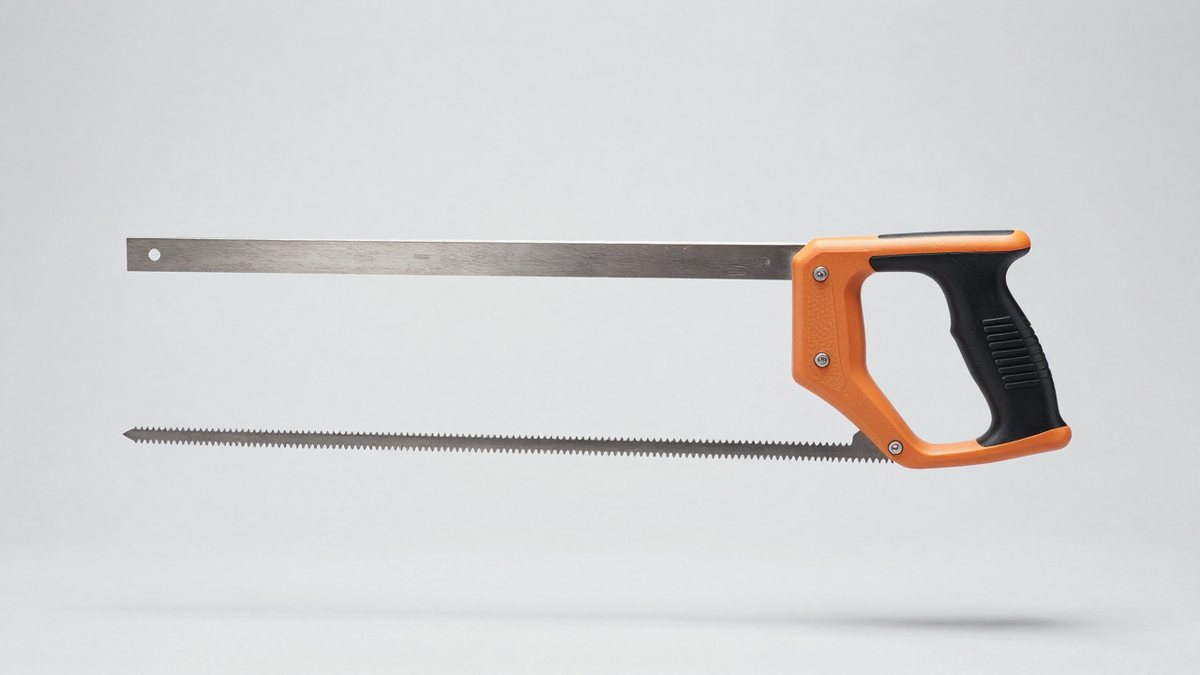
The best hand saw for beginners is usually a 15–20-inch (380–510 mm) hardpoint crosscut saw with about 8–10 teeth per inch (TPI): it cuts common boards at a manageable pace, needs little maintenance, and is forgiving enough for learning straight cuts. Choose a shorter backsaw for accurate joints, a Japanese pull saw for thin stock and fine work, or a coarser saw for fast cuts in thicker lumber.
There is no single best style for every job. Blade length affects how much material a stroke can remove; tooth count trades speed for a smoother finish; and handle shape matters when you are guiding the blade rather than forcing it. The picks below are types, not claims about one specific model—check the product’s listed blade length, TPI, and replacement-blade availability before buying.
As an Amazon Associate we earn from qualifying purchases at no extra cost to you.


Beginner-friendly saw types compared
| Saw type | Typical blade length | Typical tooth count | Control and best use | Trade-off |
|---|---|---|---|---|
| Hardpoint crosscut saw | 15–20 in. (380–510 mm) | 8–10 TPI | Versatile choice for cutting across the grain in boards and trim | Less precise than a backsaw for tight joinery |
| Fine-tooth panel saw | 18–22 in. (460–560 mm) | 10–12 TPI | Smoother crosscuts in thinner boards and finish trim | Slower in thick stock; fine teeth can clog in resinous wood |
| Backsaw | 8–14 in. (200–355 mm) | 12–16 TPI | Controlled cuts for small joints, shoulders, and miters | Short blade and stiffening spine limit depth of cut |
| Japanese pull saw | 7–10 in. (180–255 mm) | About 14–20 TPI, depending on pattern | Fine cuts in trim, dowels, and small parts; cuts on the pull stroke | Thin blade can kink if twisted or pushed sideways |
| Coarse rip or pruning-style hand saw | 18–24 in. (460–610 mm) | 5–7 TPI | Fast cuts along the grain or rough cuts in thick material | Leaves a rougher surface and takes more practice to steer |
These are common ranges, not fixed standards. Tooth shape and spacing differ among saws, and manufacturers may describe tooth spacing as points per inch rather than TPI. A higher number generally means smaller, more closely spaced teeth and a slower, finer cut.
Which saw fits your project?
- One saw for household repairs and starter projects: Choose a 15–20-inch, 8–10 TPI crosscut saw. It is a practical first purchase for cutting boards to length, trimming shelving, and making rough-to-moderate cuts in softwood and common hardwood.
- Mostly thin trim or cleaner crosscuts: Look for a 10–12 TPI panel saw around 18–22 inches long. It will usually leave a cleaner cut than a coarser general-purpose saw, though it takes longer through thick boards.
- Small boxes, frames, or simple joinery: A 10–14-inch backsaw with roughly 12–16 TPI offers better guidance for short, controlled cuts. The rigid spine helps keep the blade straight, but the cut cannot extend beyond the depth allowed by the spine.
- Flush-cutting dowels or working in tight spaces: A Japanese flush-cut or double-edged pull saw can be useful. Some patterns have different tooth counts on the two edges, so confirm which edge is intended for the material and cut.
- Frequent cuts along the grain: Consider a rip-pattern saw rather than expecting a crosscut saw to perform every task well. Its teeth are shaped to sever wood fibers along the grain. For occasional cuts, a general-purpose saw may be sufficient; expect slower progress.
- Very rough outdoor work or branches: A coarse pruning saw is designed for this situation, not for accurate furniture cuts. Its aggressive teeth remove material quickly but leave a rougher finish.
How blade length, teeth, and handle affect control
Blade length: A longer blade can make a longer stroke, which helps when cutting wide stock. It also needs more clearance and may feel unwieldy on short pieces. For a first general-purpose saw, 15–20 inches is a useful middle ground. For small parts or joints, shorter blades are easier to position precisely.
Tooth count: Coarse teeth clear chips quickly and suit faster, rougher cuts. Fine teeth take smaller bites, which can reduce tear-out and improve control, but they need more strokes. Dense hardwood, damp wood, and resinous stock can make fine teeth feel especially slow. Do not judge finish quality by TPI alone: tooth geometry and sharpness matter too.
Handle comfort: Look for a grip that fits your hand without forcing your wrist into an awkward angle. A handle with room for a relaxed grip and a secure, nonslip surface is more useful than extra bulk. If possible, hold the saw before buying. For a pull saw, grip lightly; pulling harder or twisting the blade can cause it to wander or buckle.
A simple setup for straighter beginner cuts
- Mark the cut clearly. Use a square to extend the line across the top and down the visible side of the board. This gives you more than one reference for checking the blade.
- Support the work securely. Clamp the board or brace it on a stable surface, keeping the waste piece free to fall away. A moving board is harder to cut accurately and can pinch the blade.
- Start with short, light strokes. Place the saw just on the waste side of the line and establish a shallow kerf. Once the blade tracks, use a comfortable stroke without pressing down excessively.
- Check alignment as you cut. Watch the blade against the line on the top and side of the board. Small corrections are easier early than after the cut has wandered.
- Ease off near the end. Support the offcut so it does not split away under its own weight. Let the teeth finish the cut rather than forcing the final strokes.
For crosscuts, a sharp pencil line is usually enough; for a cleaner finish, score the line lightly with a knife. On expensive or visible pieces, practice on scrap from the same kind of wood first. The scrap tells you how quickly the saw cuts and how much tear-out to expect.
Ownership: what wears, and what to check
Many entry-level hardpoint saws have hardened teeth that are not intended to be resharpened with ordinary files. When they become dull, the practical replacement may be the whole saw. Some Japanese saws and certain backsaws have replaceable blades; confirm that replacements are available and note their cost before choosing one. Replaceable blades can reduce waste, but they are still a recurring expense.
Keep the blade clean and dry after use, especially after cutting damp or resinous wood. Wipe off sap and dust, then store the saw where the teeth will not strike tools or hardware. Avoid using a fine-tooth saw to force a fast cut in thick stock: it is tiring, can bind, and encourages you to push harder. Likewise, do not twist a thin blade to correct a crooked cut. Stop, free the blade if needed, and realign the work or restart the kerf with lighter strokes.
Bottom line
For most new woodworkers, a 15–20-inch crosscut hand saw with 8–10 TPI is the most adaptable starting point. Add a backsaw when accuracy in small joints matters, or a pull saw for delicate trim and flush cuts. Match the tooth pattern to the grain direction, choose a handle you can hold comfortably, and favor a manageable stroke over an aggressive one: those choices do more for accuracy than buying the longest or most elaborate saw.