What's inside
As an Amazon Associate I earn from qualifying purchases. This post may contain affiliate links at no extra cost to you.
The best hammer for woodworking depends on what you’re striking: choose a 12–16 oz smooth-face hammer with a comfortable handle for general assembly, a lighter mallet for delicate joints, or a heavier hammer when you need more driving force. Match the striking face to the work, too: steel is durable but can dent wood, while a wood or non-marring mallet face is gentler on joinery.
As an Amazon Associate we earn from qualifying purchases at no extra cost to you.


Our Top Picks

Top picks by woodworking job
- Best all-around: 16 oz smooth-face claw hammer. A familiar steel hammer in this weight range suits shop fixtures, light framing, and occasional nail setting. Its claw adds versatility, but use a scrap block between the face and finished work to avoid dents.
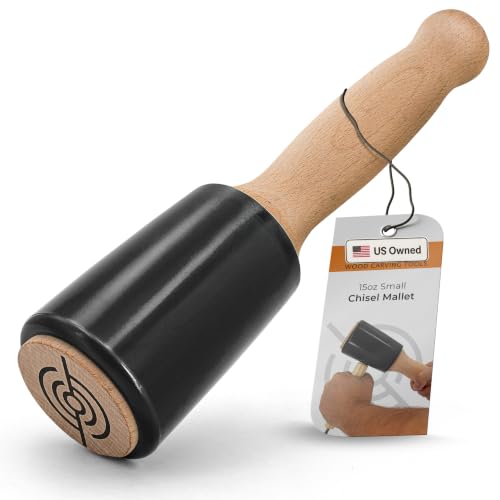
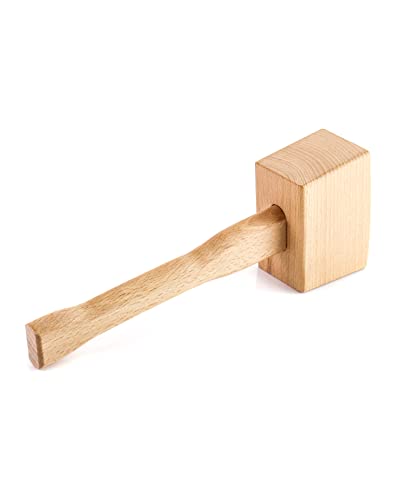
- Best for delicate joinery: 12–16 oz wooden joiner’s mallet. A wooden head can deliver controlled blows to a chisel handle or a fitted joint without putting a steel face directly against the work. It is a purpose-built choice, not a substitute for every nail-driving task.
- Best for assembly without surface marks: non-marring dead-blow mallet. A soft-faced mallet is useful for nudging parts into alignment or seating components. Check whether the face is replaceable; that can make the tool easier to maintain.
- Best for heavier shop work: 20–24 oz smooth-face hammer. The extra mass can help drive larger nails or handle sturdier shop projects, but it also increases fatigue and makes accidental damage more likely in delicate assemblies.
Compare the main options
Weights below are common working ranges, not universal standards; manufacturers may quote head weight or total tool weight. Check the product specification before comparing models.
| Hammer type | Typical weight | Face material | Best use | Main trade-off |
|---|---|---|---|---|
| Smooth-face claw hammer | 12–20 oz | Hardened steel | Nails, general shop repairs, occasional prying | Can dent finished wood; claw is not a joinery face |
| Wooden joiner’s mallet | 12–24 oz | Wood head | Chisels and controlled joint assembly | Less suitable for nails; striking surfaces wear |
| Non-marring mallet | 12–32 oz | Rubber, plastic, or other replaceable soft faces | Seating parts and shifting assemblies | Soft faces can mark, deform, or wear under repeated heavy blows |
| Heavier smooth-face hammer | 20–24 oz | Hardened steel | Larger nails and sturdier shop work | More tiring and harder to control near delicate edges |
Choose by striking task, not just weight
For fitting delicate joints
Start with a wooden mallet or a non-marring mallet, depending on what you’re striking. A wooden joiner’s mallet is suited to chisel handles and careful taps on joint parts; a soft-faced mallet is useful when nudging an assembly together. Neither makes a joint fit that is too tight. If parts resist, check for glue buildup, misalignment, or an undersized opening rather than increasing force.
For nails and general shop work
A smooth-face steel hammer around 16 oz is a practical middle ground for many woodworkers. The flat face is useful for driving nails, and a claw can pull them back out. For finished surfaces, use a nail set for the final driving or put a protective scrap between the hammer and the work. A textured face can grip nail heads but is more likely to leave marks if it slips.
For larger or repeated jobs
Consider a 20–24 oz steel hammer when you routinely drive larger nails or work on sturdier assemblies. The added mass can reduce the effort needed per blow, but only if you can keep the swing controlled. If your wrist, shoulder, or accuracy suffers during a short trial, a lighter hammer is likely the better choice.
How handle feel affects control
Handle material and shape matter as much as the number stamped on the head. Hickory and other wood handles can feel less rigid in the hand and may be replaceable on some designs. Fiberglass handles are common on steel hammers and resist many everyday shop conditions, while steel handles are durable but can transmit more vibration. Grip materials and shapes vary, so the best test is whether the handle feels secure without forcing you to squeeze tightly.
For controlled joinery taps, a shorter handle can feel easier to guide. A longer handle can provide more leverage and swing speed, but needs more clearance. If possible, hold the tool in your usual working stance and check that your fingers clear the workpiece and that the head lands squarely without an exaggerated swing.
A quick decision matrix
| Your situation | Good starting choice | Why |
|---|---|---|
| New woodworker, occasional repairs | 16 oz smooth-face claw hammer | Versatile for nails and general shop tasks |
| Frequent chisel work or fitted joinery | 12–16 oz wooden joiner’s mallet | Designed for controlled blows on chisels and joints |
| Finished parts that must stay unmarked | Soft-faced mallet with replaceable faces | Reduces direct steel contact; worn faces can be changed |
| Regular work with larger nails | 20–24 oz smooth-face hammer | More head mass for heavier driving, if control remains comfortable |
| Limited storage or mostly small projects | One 12–16 oz hammer or mallet suited to the main task | Avoids buying a heavy specialty tool that will rarely be used |
Ownership: what wears and what to check
On a steel hammer, inspect the handle-to-head connection and look for cracks, looseness, or mushrooming at the striking face. Stop using a tool with a loose head or a damaged handle; a head that shifts during a swing is a serious hazard. On a wooden mallet, the striking faces gradually compress and wear. That is normal, but a split head or loose handle calls for repair or replacement before further use.
Soft mallet faces can flatten, chip, or pick up glue and grit. Clean off residue before it transfers to a workpiece, and replace damaged faces when the design allows. Keep all striking faces clean: embedded grit can scratch wood, while glue on a mallet can stick to a joint and pull it out of alignment.
Common mistakes include using a steel face directly on finished parts, choosing a hammer so heavy that the swing becomes inaccurate, and treating a mallet as permission to force a poorly fitting joint. Use the lightest tool and blow that reliably does the job, and make a test strike on scrap when the surface finish matters.
Bottom line
For a first general-purpose shop hammer, a 16 oz smooth-face claw hammer is a sound starting point. If joinery and chisel work dominate, add a 12–16 oz wooden mallet; if you frequently align finished assemblies, choose a non-marring mallet with replaceable faces. The best hammer for woodworking is the one whose weight you can control and whose face suits the surface you’re striking.