What's inside
- Best Hammers for Construction: Top Picks for Framing and General Site Work
- Top picks by type of construction work
- Compare the key specifications
- Choose by job, experience, and frequency
- What weight and balance feel like in practice
- Handle material: durability versus vibration
- Nail-pulling leverage and ownership checks
As an Amazon Associate I earn from qualifying purchases. This post may contain affiliate links at no extra cost to you.
Our Top Picks

Best Hammers for Construction: Top Picks for Framing and General Site Work
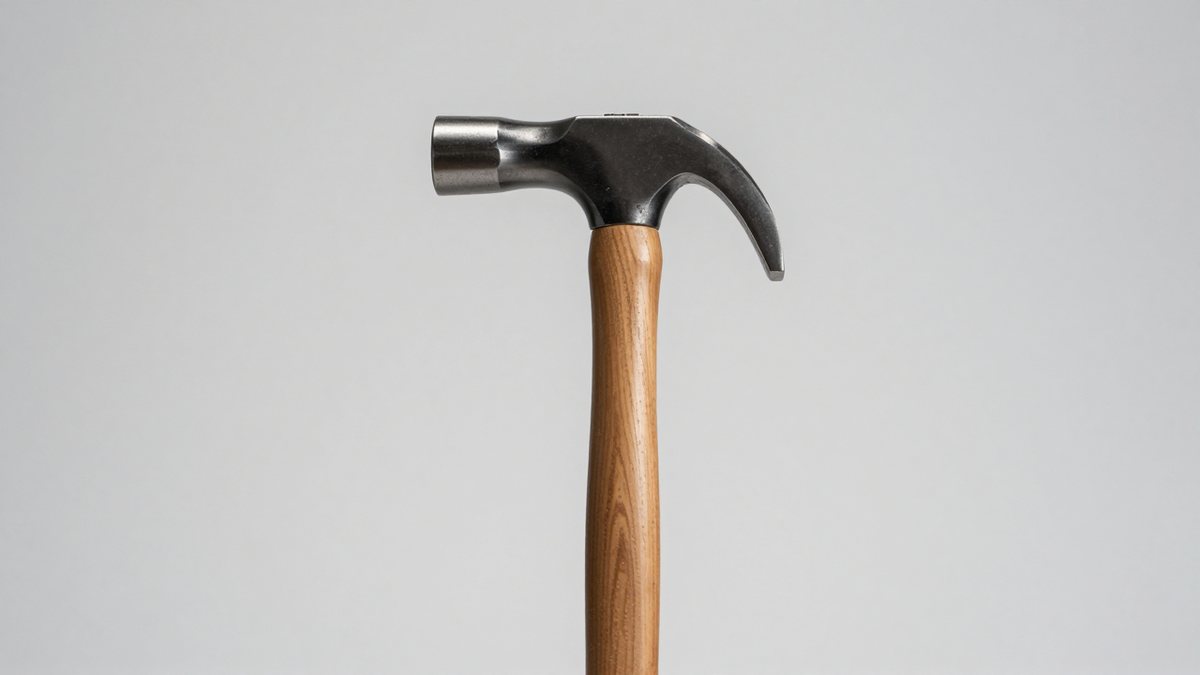
The best hammer for construction for most people is a 16-ounce curved-claw hammer for everyday site work or a 22-ounce milled-face framing hammer for driving large nails all day. Choose by the work you do most: head weight affects driving speed and fatigue, handle material changes vibration and maintenance, balance affects control, and claw shape determines how much leverage you have for pulling nails.
These are established hammer types and specific models to compare, not a claim that one tool suits every crew. Check the exact weight and handle configuration on the product listing: manufacturers sometimes offer several versions of a model.
As an Amazon Associate we earn from qualifying purchases at no extra cost to you.


Top picks by type of construction work
Best all-around: 16-ounce curved-claw hammer
A 16-ounce hammer is a practical default for punch lists, light framing, formwork adjustments, and general repairs. It is easier to control overhead and less tiring for occasional use than a heavier framing hammer. A smooth face is less likely to mark finished surfaces; the curved claw is useful for pulling common nails and prying small boards.
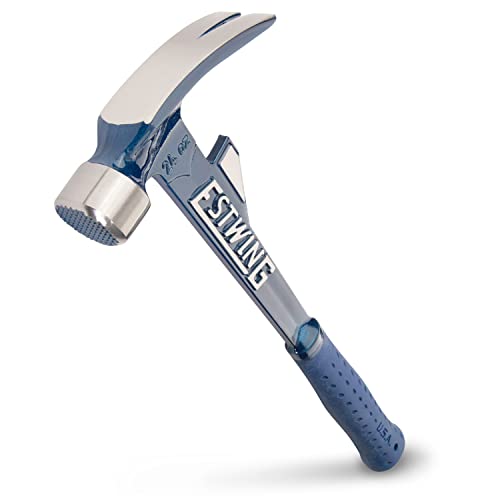
For a recognizable example, compare the Estwing E3-16C, a 16-ounce curved-claw hammer with a steel handle and shock-reduction grip. Its one-piece construction avoids a separate head-to-handle joint, but the steel handle transmits more vibration than a well-designed fiberglass or wood handle may. Consider it when durability and simple construction matter more than minimizing shock.
Best for frequent framing: 22-ounce milled-face framing hammer
When driving framing nails repeatedly, a 22-ounce head can deliver more impact per swing than a 16-ounce head. A longer handle also increases swing speed, but demands more clearance and control. The milled face helps grip nail heads and reduces glancing blows; it can leave a textured mark in the wood, so it is a poor choice for visible trim.
The Estwing E3-22SM is one example of a 22-ounce framing hammer with a milled face and steel handle. A Vaughan California Framer is another established framing-hammer line; compare the specific model’s weight, handle, and face before buying, since configurations vary. These are better matches for regular rough framing than for delicate finish work.
Best when nail pulling matters: straight-claw framing hammer
A straight claw is useful for prying, splitting light wood, and reaching into framing assemblies where a curved claw is less convenient. It is not a substitute for a wrecking bar when removing large or deeply embedded nails. If nail removal is a frequent task, favor a long, sturdy handle and a claw geometry that gives you room to rock the head against a scrap block. The block protects the workpiece and increases leverage without digging the hammer head into the wood.
Compare the key specifications
| Hammer type or example | Head weight | Handle and balance considerations | Best fit |
|---|---|---|---|
| General-purpose curved claw | 16 oz | Shorter, lighter swing; easier to control in tight spaces | Repairs, punch lists, occasional framing |
| Estwing E3-16C | 16 oz | Steel handle, one-piece construction, grip designed to reduce shock | Users who want a compact, durable general-purpose hammer |
| Estwing E3-22SM | 22 oz | Steel handle; milled face; heavier swing for larger nails | Rough framing and repeated nail driving |
| Fiberglass-handled framing hammer | Typically 20–22 oz | Grip and balance vary by model; inspect the head-to-handle fit | Frequent site use when a steel handle’s vibration is unwelcome |
| Wood-handled framing hammer | Typically 20–22 oz | Often a more traditional feel; handle can be replaced but needs inspection | Users who value a replaceable handle and familiar balance |
Weights above refer to the hammer head, not necessarily the complete tool. Handle length, head shape, and manufacturing differences affect total weight and feel. Treat the table as a shortlist, then compare the exact model specifications.
Choose by job, experience, and frequency
| Your situation | Practical choice | Why |
|---|---|---|
| Occasional repairs or mixed site tasks | 16 oz, curved claw, smooth face | Versatile and easier to control across different tasks |
| Framing several days a week | 20–22 oz framing hammer; compare handle materials | More driving force per swing; grip and balance matter over long sessions |
| Beginner or smaller work area | 16–20 oz, manageable handle length | Control and clearance are more useful than maximum impact |
| Frequent prying and nail removal | Straight-claw framing hammer, plus a pry bar for heavy demolition | Claw geometry helps, but leverage has limits |
| Visible wood or finish work | Smooth-face hammer | A milled face can leave marks that are difficult to conceal |
What weight and balance feel like in practice
A heavier head can drive a large nail faster when the user can swing it accurately. That advantage can disappear if fatigue causes missed strikes or if the tool is awkward overhead. A lighter hammer usually gives up impact per swing but allows quicker repositioning and finer control. For a first purchase, a 16- to 20-ounce tool is a sensible range; move toward 22 ounces if framing is regular work and the heavier swing remains comfortable.
Balance is not captured by head weight alone. Two hammers with the same head weight can feel different because of handle length, grip thickness, and where the weight sits. If possible, hold the tool as you would on the job: check whether the grip suits your hand, whether you can start a controlled swing without over-gripping, and whether the head tracks squarely toward the nail.
Handle material: durability versus vibration
- Steel: Strong and often made in one piece with the head, so there is no separate wooden handle to loosen. It can transmit substantial vibration; grip design affects comfort but does not change the basic material.
- Fiberglass: Typically offers a grippy handle and some vibration isolation compared with a rigid steel handle. Inspect the head connection and grip for cracks, separation, or movement.
- Wood: Has a traditional feel and may be replaceable if damaged. It can split, loosen, or be affected by poor storage, so inspect the handle and wedge regularly.
There is no material that is automatically best for everyone. A well-balanced tool with a secure head and comfortable grip is a better choice than a nominally shock-reducing handle that feels unwieldy in your hand.
Nail-pulling leverage and ownership checks
For a stubborn nail, place a scrap block beneath the hammer head to raise the fulcrum and protect the surface. Rock the handle steadily rather than jerking it sideways. For long nails, pull partway, reposition the claw closer to the work, and continue. If the nail bends or the claw slips, stop and use a nail puller or pry bar rather than forcing the hammer beyond its leverage.
Before each work period, check for a loose head, cracks, chips, a damaged grip, or a bent claw. Keep the face and claw clean so they seat properly on nails. A milled face can collect debris; brush it out rather than grinding away its texture. Do not strike hardened steel objects with a hammer face unless the manufacturer explicitly permits it, because chips can become hazardous. Replace a cracked handle or damaged hammer instead of relying on tape or a temporary repair.
Bottom line: Choose a 16-ounce curved-claw hammer for broad everyday use, a 20–22-ounce framing hammer for repeated rough framing, and a straight claw when prying is a regular part of the job. Prioritize control and a secure, comfortable handle over maximum weight, and keep a separate pry bar for serious demolition.