What's inside
- Quick picks by type of work
- What distinguishes the best ball pein hammer?
- Head-to-head: the main handle materials
- Face hardness and finish matter more than appearance
- Situation-based buying guide
- Notable choices from established manufacturers
- How to choose the right weight without guessing
- Ownership, inspection, and common mistakes
- Final verdict
As an Amazon Associate I earn from qualifying purchases. This post may contain affiliate links at no extra cost to you.
The best ball pein hammer for most home and small-shop users is a 16-ounce forged-steel hammer with a secure fiberglass or hickory handle; choose 8–12 ounces for light riveting and sheet metal, or 24–32 ounces when you need force for heavier shaping.
As an Amazon Associate we earn from qualifying purchases at no extra cost to you.


Our Top Picks
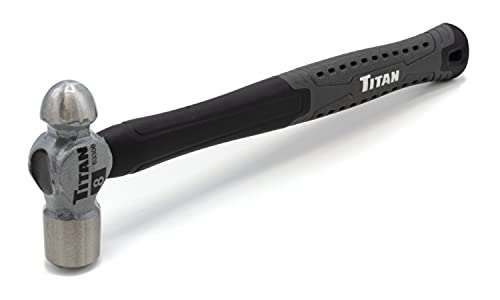
 Titan 63302 2-Piece Ball Pein Hammer Set2pc Set Ball Peen 8oz + 16oz2.4 x 3.9 x 12 inches0.5 poundsCheck on Amazon


Quick picks by type of work
- Best all-purpose size: a 16-ounce ball pein hammer, preferably with a forged high-carbon steel head and a hickory or fiberglass handle.
- Best for light riveting and thin sheet: an 8- or 12-ounce model with a smaller, well-polished ball pein.
- Best for general fabrication: a 16- or 24-ounce model with a medium-length handle and balanced head.
- Best for heavy shop work: a 24- to 32-ounce hammer, used with controlled blows rather than maximum swing speed.
- Best budget choice: a basic forged-steel 16-ounce hammer with a replaceable hickory handle, provided the head fit is tight.
- Best premium choice: a traditionally made hammer from a specialist manufacturer such as Picard, with carefully finished faces and a well-shaped handle.
What distinguishes the best ball pein hammer?
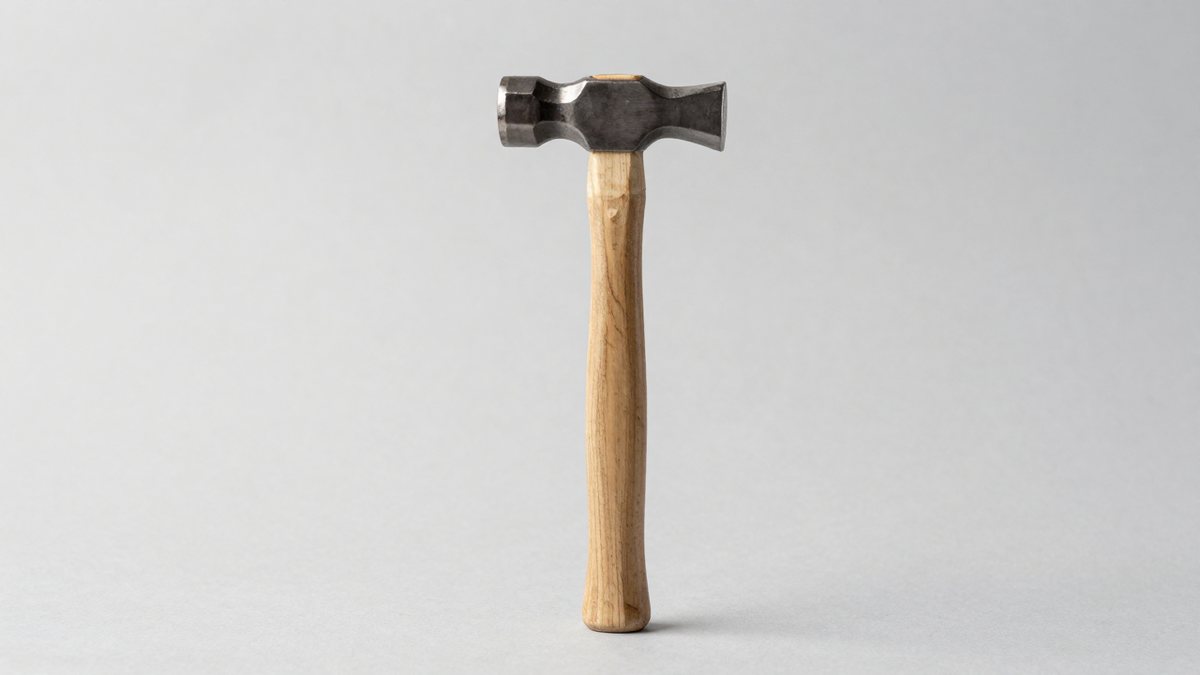
A ball pein hammer has one flat striking face and one rounded pein. The flat face drives punches, sets rivets, and delivers ordinary hammer blows. The ball end spreads metal outward, making it useful for riveting, forming, texturing, and removing small dents from suitable metalwork.
The most important buying decisions are head weight, face hardness, handle construction, and balance. A heavier hammer is not automatically better: it carries more momentum but is slower and less precise. A light hammer gives better control for small rivets and thin stock but may bounce or require excessive effort on heavier material.
| Head weight | Typical head length | Best suited to | Main limitation |
|---|---|---|---|
| 8 oz / 227 g | About 3.5–4.5 in | Small rivets, jewelry-scale metalwork, light sheet metal | Too little energy for substantial stock |
| 12 oz / 340 g | About 4–5 in | Light fabrication, small brackets, controlled shaping | Less versatile for larger rivets |
| 16 oz / 454 g | About 4.5–5.5 in | Riveting, punches, general shop maintenance | Can be tiring for prolonged precision work |
| 24 oz / 680 g | About 5–6 in | Heavier riveting, brackets, thicker mild steel | More likely to overwork small rivets or thin sheet |
| 32 oz / 907 g | About 5.5–6.5 in | Heavy forming and occasional high-force shop work | Poor choice for delicate, repetitive blows |
Head-to-head: the main handle materials
Hickory
Hickory remains the traditional choice because it is light, resilient, and comfortable in the hand. It also gives useful vibration damping. A good hickory handle should have straight, continuous grain running along its length, with no cracks around the eye or wedges. Wood can eventually dry, split, or loosen, but it is inexpensive and relatively easy to replace.
Fiberglass
Fiberglass handles generally tolerate moisture, temperature changes, and rough storage better than wood. They are a practical choice for a garage or vehicle tool kit. Their grip may feel less lively than hickory, and a damaged molded handle is usually replaced as an assembly rather than repaired.
Steel and one-piece construction
One-piece steel designs are compact and resistant to handle breakage. They can be useful where durability and storage matter more than comfort. The tradeoff is greater transmitted vibration, especially during repeated blows. Look for a substantial grip or shock-absorbing overmold if the hammer will be used frequently.
Face hardness and finish matter more than appearance
The striking faces should be hardened enough to resist rapid mushrooming, but not so hard that they chip under impact. Reputable makers normally heat-treat the head and finish the faces for impact work. Exact hardness figures are not consistently published across manufacturers, so a claimed number is less useful than a clear description of proper heat treatment and a smooth, even face.
The flat face should have a modest crown rather than being perfectly hollow or sharply edged. A slight crown helps prevent the rim from catching the work. The ball should be smooth and evenly rounded. A rough, faceted, or oversized ball can leave unwanted marks in the metal and makes consistent riveting difficult.
Do not use a ball pein hammer as a substitute for a hardened striking hammer on hardened punches, chisels, or other tools unless the manufacturer specifically approves that use. Inspect the face regularly. If it develops a pronounced lip, deep chips, or dangerous cracks, retire the hammer.
Situation-based buying guide
| Your situation | Recommended specification | Why |
|---|---|---|
| First metalworking hammer | 16 oz, 12–14 in handle, hickory or fiberglass | Broadest useful range without excessive fatigue |
| Small rivets and thin sheet | 8–12 oz, polished ball, shorter handle | Improves control and reduces accidental deformation |
| Frequent bench work | 12–16 oz, balanced head, comfortable grip | Lower fatigue during repeated moderate blows |
| Heavy brackets or thicker mild steel | 24 oz, or 32 oz for occasional high-force work | More momentum with fewer extreme swings |
| Wet or poorly controlled storage | Fiberglass or one-piece steel | Less vulnerable to moisture-related handle damage |
| Traditional tool maintenance | Hickory handle with replaceable eye and wedge | Allows economical handle replacement |
Notable choices from established manufacturers
Estwing E3-24B
The Estwing E3-24B is a 24-ounce, one-piece forged-steel ball pein hammer with a bonded shock-reducing grip. Its compact construction suits users who value a permanently attached handle and easy storage. At 24 ounces, it is aimed more at general fabrication and heavier shop work than delicate riveting.
Stanley 56-003
The Stanley 56-003 is a 12-ounce ball pein hammer intended for lighter shop and metalworking tasks. Its smaller head makes it more manageable for controlled blows, small fasteners, and occasional household use. It is a sensible size when a 16-ounce hammer feels unnecessarily tiring.
Vaughan & Bushnell ball pein hammers
Vaughan & Bushnell offers traditional forged ball pein hammers in several weights, including common 8-, 12-, 16-, and 24-ounce classes. These are worth considering when you want a conventional hickory-handled tool and the option to choose weight closely to the job.
Picard ball pein hammers
Picard is known for specialist European-made hammers, including ball pein designs with carefully shaped heads and handles. They are generally positioned above basic hardware-store tools in price, but can appeal to frequent metalworkers who care about finish, balance, and long-term handle serviceability.
Typical market prices range from roughly $15–$30 for a basic ball pein hammer, $30–$60 for a better-finished or specialist model, and more for premium professional tools or unusual sizes. Price alone does not prove better balance or face geometry, so inspect those features first.
How to choose the right weight without guessing
Start with the smallest hammer that can complete the job in controlled blows. For example, if a 12-ounce hammer requires 30 hard strikes to set a rivet while a 16-ounce hammer needs 18 moderate strikes, the 16-ounce tool may create less fatigue even though it weighs more. Conversely, using a 24-ounce hammer on a small rivet can flatten the rivet head unevenly or distort the surrounding sheet.
A useful rule is to keep the hammer head in motion rather than muscling it from the shoulder. The handle should allow your wrist to remain relatively straight at impact. If you must choke up for accuracy, the hammer is probably too heavy or has an unnecessarily long handle for that task.
Ownership, inspection, and common mistakes
- Check the head before every session. Look for chips, cracks, a loose head, or a mushroomed striking face.
- Keep the faces clean. Wipe away oil, scale, and abrasive grit; these can alter the hammer’s contact and mark the work.
- Do not grind aggressively. Removing too much material can change the face profile and heat the steel enough to affect its treatment. Dress only minor burrs with care, or replace the hammer when damage is substantial.
- Protect hickory from water and heat. Store it dry and do not soak the handle in oil or solvents.
- Use a proper backing surface. A solid anvil, bench block, or suitable steel plate gives predictable support. Concrete can damage the hammer face and workpiece.
- Wear eye protection. Rivets, scale, and damaged hammer or punch fragments can eject unexpectedly.
Final verdict
For the widest range of riveting, shaping, and shop maintenance, choose a well-balanced 16-ounce ball pein hammer with a properly heat-treated forged head. Move down to 8 or 12 ounces when precision and light sheet work dominate, and move up to 24 ounces when heavier stock demands more momentum. Between two otherwise similar hammers, favor the one with the smoother ball, secure head-to-handle fit, comfortable balance, and a handle you can realistically replace or live with for years.