What's inside
As an Amazon Associate I earn from qualifying purchases. This post may contain affiliate links at no extra cost to you.
Our Top Picks
 DISEN 10Pcs Ratcheting Wrench Set SAE & Metric10pcs metric & sae set11.89 x 4.84 x 2.91 Inches2.8 poundsCheck on Amazon


Best Open-End Wrench Sets for Everyday Repairs
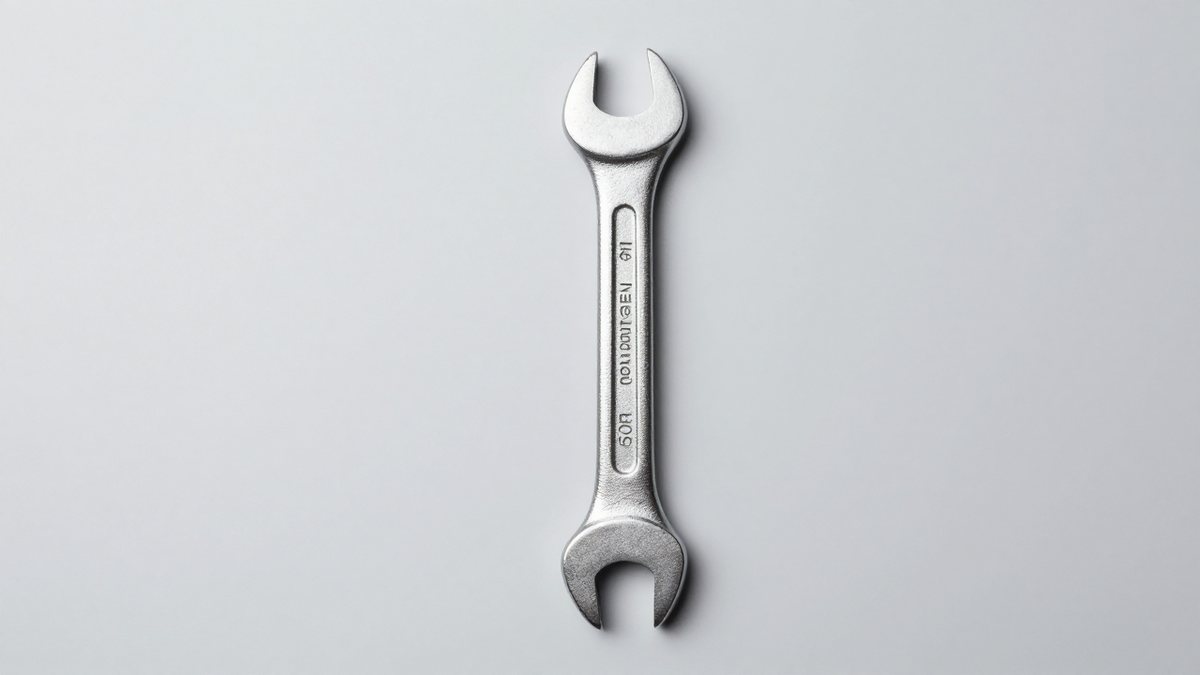
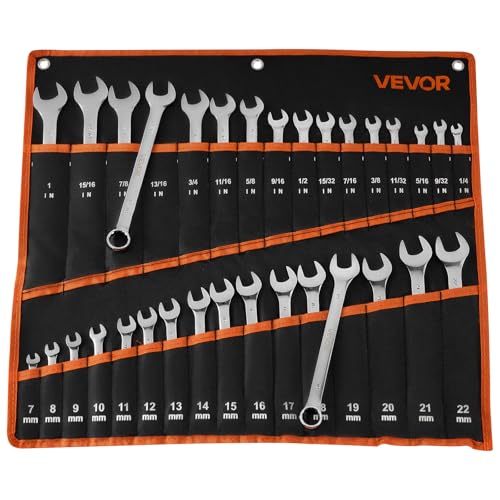
The best open end wrench set for everyday repairs is a metric-and-imperial combination set with accurately sized jaws, slim heads, a useful offset, and clearly marked sizes; choose a reversible ratcheting set instead when fasteners are accessible but there is too little room to swing a standard wrench.
For most home workshops, a 12-piece set covering 8–19 mm is a practical metric starting point, while an SAE set covering 1/4–3/4 inch suits older American equipment. If you work on vehicles, machinery, or appliances with mixed fasteners, consider both systems rather than relying on an oversized adjustable wrench. The right choice depends less on the number of pieces than on how well the jaws fit the fasteners you actually encounter.
As an Amazon Associate we earn from qualifying purchases at no extra cost to you.



What matters when choosing a set
- Jaw fit and tolerance: The jaws should sit fully on the flats, without rocking or obvious looseness. A nominal size alone does not guarantee a precise fit: manufacturing tolerances and jaw wear matter. Poor fit increases the chance of rounding a fastener, especially on stuck or soft metal hardware.
- Thin-profile access: Slim heads can reach nuts close to a panel, bracket, or adjacent fitting. But thinner is not automatically better: a very thin jaw may flex or be less durable under heavy load. Match head thickness to the clearance available and the force required.
- Offset geometry: An angled head can clear a raised edge or let your hand pass around an obstruction. Compare the offset on both ends, and check whether the angle helps the wrench approach the fastener rather than trapping the handle against nearby parts.
- Alloy and finish: Chrome-vanadium steel is common in quality combination sets; some professional lines use other alloy steels. A polished chrome finish resists corrosion and wipes clean easily. A satin or matte finish can be easier to grip with oily hands, though it may hold grime in its texture.
- Size range: A set that skips a size can leave you reaching for pliers or an adjustable wrench—the tools most likely to damage a tight fastener when they do not fit well. Check the size list, not just the piece count.
Compare the main set types
These ranges describe common set formats, not a guarantee for every brand or individual wrench. Dimensions and weight vary by size and maker; check the product specification for the exact set before buying.
| Type | Typical coverage | Typical pieces | Head and access trade-off | Best suited to |
|---|---|---|---|---|
| Metric standard combination | 8–19 mm | 12 | Open end at one side, 12-point box end at the other; moderate head thickness and reach | General repairs and a first metric set |
| SAE standard combination | 1/4–3/4 in. | 12 | Similar everyday geometry; size steps vary by set | Older vehicles, equipment, and inch-size hardware |
| Metric ratcheting combination | 8–19 mm | 10–12 | Ratcheting box end saves repositioning; the ratchet head is usually bulkier than a plain box end | Repeated turns where handle swing is limited |
| Thin or short-pattern set | Commonly 8–19 mm | 6–12 | Reduced head thickness or shorter handles reach confined locations, with less leverage | Light-duty work in cramped assemblies |
| Flare-nut wrench set | Commonly 8–19 mm or 1/4–3/4 in. | 6–12 | Nearly closed head grips more faces than an open end while passing over a tube | Accessible line fittings where a regular wrench could slip |
Choose by the job, not the biggest piece count
For a first workshop set
Start with a standard combination set in the system you use most. A 12-piece metric set spanning 8–19 mm covers many household, bicycle, and light automotive fasteners. If you regularly encounter inch hardware, a second SAE set is more dependable than assuming a metric wrench is “close enough.” A near-fit can round a nut even when it initially feels usable.
For cramped fasteners
Look for slim heads and a modest offset, then compare the actual head thickness and length against the space around your fastener. A thin-profile wrench can slip into a narrow gap, but it may not be the right tool for breaking loose a seized nut. If the fastener has room for a box end, use that end for higher-force turning; it surrounds more of the fastener than an open jaw.
For repeated turning with limited swing
A ratcheting combination wrench can reduce the need to lift and reposition the tool after each short turn. If searching for the best open end ratchet wrench, note that “ratcheting” usually refers to the closed box end, not the open end. Ratcheting heads are useful when the fastener is accessible and the handle has only a small arc, but their thicker profile may not fit the tightest gaps. Confirm the ratchet’s direction-changing method and head clearance before buying.
For lines and fittings
A flare-nut wrench is often a safer choice than a standard open-end wrench for tube fittings: its split head wraps around more sides of the nut. It is not a substitute for the correctly sized service tool on every fitting, and an already damaged or badly seized fitting may need professional attention. Avoid using an ordinary open jaw on a small, soft fitting if slipping could damage the line.
A practical decision matrix
| Your situation | Good starting choice | Why |
|---|---|---|
| Occasional household fixes; limited budget | One standard 8–19 mm or 1/4–3/4 in. combination set | Useful size coverage without paying for specialty geometry you may not need |
| Frequent repairs in crowded assemblies | Standard set plus selected slim or offset wrenches | Fills access gaps while preserving stronger, fuller-size tools for higher loads |
| Many short turns, moderate clearance | Ratcheting combination set in the dominant size system | Speeds repeated repositioning; check head bulk against the space available |
| Tube or brake-line fittings | Correctly sized flare-nut wrench | More contact around the fitting than a conventional open jaw |
| Professional or heavy frequent use | Precisely made standard set, supplemented with specialty tools | Prioritizes consistent fit and durability over maximum piece count |
Torque, technique, and tool limits
Open-end wrenches are not torque-measuring tools. If you need the best open end torque wrench for a specified tightening value, the usual solution is a calibrated torque wrench with a suitable socket or manufacturer-approved crowfoot attachment—not a standard open-end wrench. A crowfoot changes the effective lever length when placed in line with the torque wrench, so follow the torque wrench maker’s guidance for positioning and any required adjustment. Do not assume an open-end wrench or a ratcheting wrench can verify torque by feel.
For ordinary loosening, seat the jaws completely on the fastener flats and pull in a controlled direction, keeping the tool aligned. Avoid extensions on wrench handles: they can overload the wrench and make slipping more likely. If a fastener is badly corroded, use a properly fitting box-end tool where possible and choose an appropriate method for the assembly rather than forcing a thin open jaw.
Ownership: what wears and how to care for the set
The first signs of trouble are often rounded jaw corners, a spread or damaged jaw, or polished contact faces that no longer hold the fastener securely. Heavy force on an undersized wrench, using the wrong measurement system, and applying force at an angle can accelerate that wear. Retire a wrench that has visibly deformed or repeatedly slips; filing the jaws can make fit and strength less predictable.
Wipe tools dry after use, especially after contact with water, road salt, or cleaning chemicals. A light protective oil helps prevent rust during storage. Keep sizes organized in a rack or marked roll so you can spot a missing wrench and select the exact fit instead of forcing the nearest size. For everyday repairs, a smaller, well-fitting set plus a few purpose-chosen specialty wrenches is usually more useful than a large set full of sizes and shapes you rarely reach for.