What's inside
As an Amazon Associate I earn from qualifying purchases. This post may contain affiliate links at no extra cost to you.
Our Top Picks
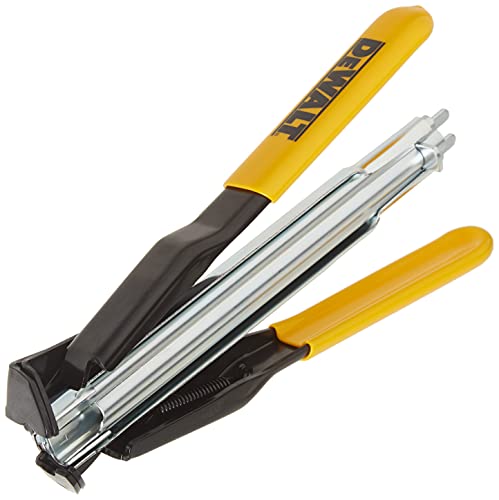


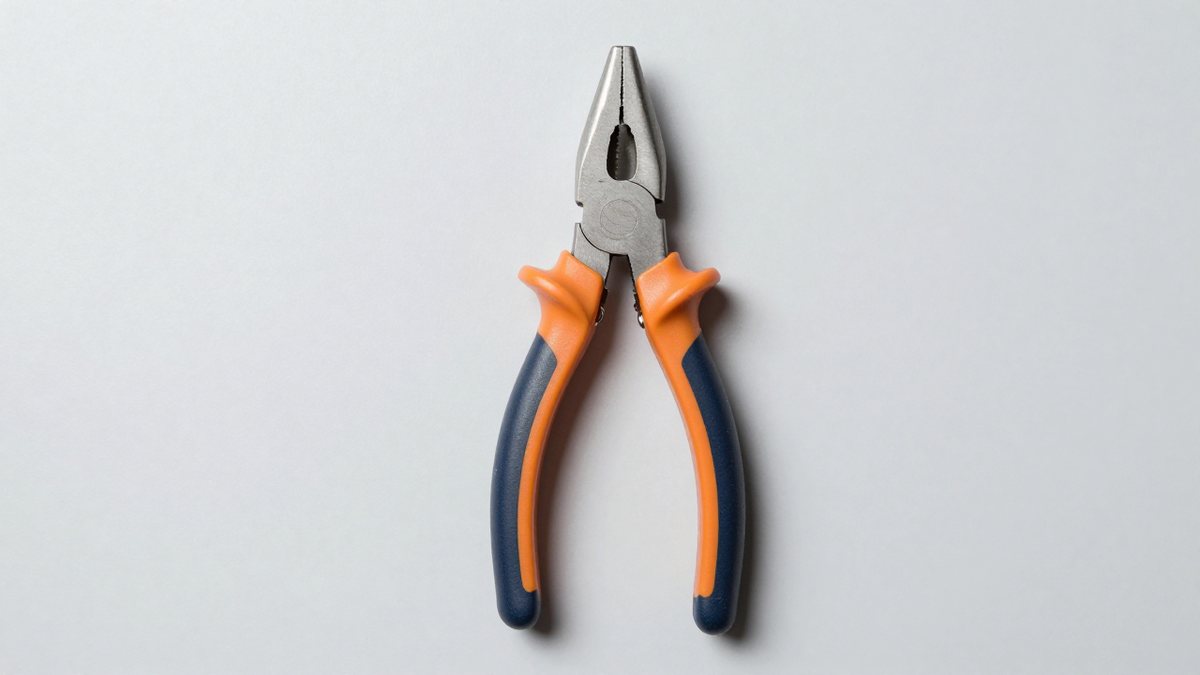
Best Hog Ring Pliers for Upholstery, Fencing, and Auto Trim
For upholstery and auto trim, choose compact spring-loaded hog ring pliers with straight jaws; for fencing, choose longer, heavier standard pliers—straight for open, accessible joints and angled for tight corners or work against a frame. Match the tool to the ring’s gauge and profile, not just its advertised size: a ring should close securely without twisting, leaving a sharp gap, or crushing the material.
Quick picks by job
- Seat upholstery and auto trim: Compact spring-loaded pliers with straight jaws. They hold and advance compatible rings more easily in confined spaces. Check that the jaw opening and magazine or loading method suit the ring style specified for the repair.
- Occasional repairs on a budget: Standard, manually loaded pliers. They have fewer moving parts and are usually a sensible choice when you’ll close rings in short batches rather than continuously.
- Long fence runs: Long-handled standard pliers sized for the fencing ring. The extra leverage can help with repeated closures; use a compatible ring and tool combination rather than forcing a ring that does not fit the jaws.
- Restricted access: Angled-jaw pliers when a rail, cushion edge, or frame blocks a straight approach. The angle improves access, but it can make alignment harder if the ring is difficult to see.
Spring-loaded vs. standard: the practical difference
Both designs close a ring by bringing its ends together around the materials being fastened. Spring-loaded models return the handles or jaws toward their open position after each squeeze, which can make repetitive work feel quicker and reduce the need to reset the tool manually. Some designs also help hold or feed rings, but loading systems vary: confirm compatibility with the exact ring type before buying.
As an Amazon Associate we earn from qualifying purchases at no extra cost to you.


Standard pliers are typically simpler: place a ring in the jaws, position it around the materials, and squeeze. Their straightforward construction can be easier to clean and less vulnerable to feed-mechanism problems. The trade-off is slower handling during long runs, particularly when every ring must be picked up and positioned by hand.
| Tool type | Best fit | Typical working pattern | What to check before purchase |
|---|---|---|---|
| Compact spring-loaded, straight jaw | Seat covers, upholstery, auto trim | Repeated small closures in confined spaces | Compatible ring profile, jaw opening, loading method, and access around the frame |
| Standard, straight jaw | Repairs and accessible general fastening | Short batches or occasional use | Ring size range, handle leverage, and whether the ring sits securely in the jaw |
| Standard, angled jaw | Fence joints and obstructed positions | Repeated work where a straight approach is awkward | Angle, overall reach, ring compatibility, and visibility of the closure |
| Long-handled fencing pliers | Fence wire and larger, accessible work | Long runs where leverage matters | Specified ring gauge and profile, handle length, and jaw capacity |
These are job-based categories, not universal product specifications. Hog ring dimensions and tool capacities differ by manufacturer. Treat the numbers printed on a tool or ring package as the controlling specification; do not assume that two rings with the same nominal size have identical wire thickness or shape.
Gauge and fit: why ring size alone isn’t enough
Hog rings are sold in different wire thicknesses (gauges), opening sizes, and profiles. A thinner ring may close with less effort but may not provide the strength a particular fence or upholstery job requires. A heavier-gauge ring needs a jaw designed to seat and form it correctly; using undersized or poorly matched pliers can leave the ring partly open, distort it, or damage the tool.
Gauge numbers can be counterintuitive: in common wire-gauge systems, a smaller gauge number generally means thicker wire. But ring makers may identify products using their own size codes or specifications, so compare the actual wire diameter and listed compatibility where available. For fencing, follow the fence and ring manufacturers’ recommendations. For upholstery and auto trim, use the ring type specified for the seat, cover, or repair kit rather than substituting based on appearance.
A fit check before you start
- Confirm the ring’s wire diameter, inside opening, and profile from its packaging or supplier.
- Check that the plier manufacturer lists that ring type or size as compatible.
- Close one test ring on scrap material of similar thickness.
- Inspect the result: the ends should meet in the intended shape, the ring should hold the layers, and the material should not be cut or pinched.
Straight or angled jaws?
Straight jaws are the easier starting point when the joint is visible and the pliers can approach it squarely. That makes them a natural choice for many seat upholstery and auto-trim jobs, where accurate placement matters and surrounding foam, fabric, or a seat frame may limit hand movement.
Angled jaws can reach around a rail or into a corner without forcing your wrist into an awkward position. That can be useful on fence work near posts or crosspieces. They are not automatically better for fencing, though: choose them when the work geometry calls for the angle, not simply because the job is outdoors. A straight jaw can be easier to align on an unobstructed wire joint.
Before buying, consider the approach angle at the actual fastening points. A long handle may provide leverage but be cumbersome inside a car seat; a compact tool may be comfortable for trim but tiring across a large fence. If access is tight, measure the space around the joint and compare it with the tool’s head and handle dimensions.
Choose by situation
| Your situation | Better starting choice | Reason |
|---|---|---|
| First upholstery repair, only a few rings | Standard compact pliers, straight jaw | Simple operation without paying for a feed feature you may not need |
| Frequent seat-cover or trim work | Spring-loaded compact pliers, usually straight jaw | Quicker reset between repeated closures; verify the loading and ring system |
| Fence repair with clear access to the wire | Standard long-handled pliers, straight jaw | Leverage and simple, visible alignment |
| Fence work around posts or obstructed joints | Angled-jaw pliers with suitable reach | Improved access where a straight head cannot line up cleanly |
| Regular production work | Spring-loaded or feed-style tool matched to the required ring | Reduced handling can save time, provided the mechanism is reliable and compatible |
Setup and care that prevent bad closures
- Use the specified ring. A different profile or wire thickness can sit poorly in the jaw even if it appears close in size.
- Load and orient it as directed. Misalignment can make a ring twist rather than close symmetrically.
- Position the ring around all intended layers. Keep fabric, wire, or mesh clear of the closing path so the ring does not snag or cut the material.
- Squeeze firmly and squarely. If the handles need excessive force, stop and check the ring-tool match instead of leaning harder.
- Inspect the first closures. A clean closure should be secure and consistent. Replace rings that are misshapen rather than trying to straighten and reuse them.
- Clean after use. Remove lint, grit, and metal debris from the jaws and any feed mechanism. Keep the pivot clean and lubricate it lightly if the manufacturer recommends it.
On spring-loaded tools, the return spring and any feeding parts are likely wear points; on standard pliers, the pivot and jaw edges take most of the wear. Rust, debris, and forcing an incompatible ring can shorten the life of either type. Store the tool dry, and replace worn or damaged rings rather than compensating for them with extra squeezing force.
Bottom line
For upholstery and auto trim, a compact spring-loaded hog ring plier with straight jaws is the most useful starting point when you have repeated closures and a compatible ring system. For occasional repairs, standard pliers are simpler and often sufficient. For fencing, prioritize ring compatibility, leverage, and access: choose a long-handled straight jaw for open runs and an angled jaw when posts or rails obstruct the work. In every case, the cleanest closure comes from matching the plier to the ring’s actual gauge and profile.