What's inside
As an Amazon Associate I earn from qualifying purchases. This post may contain affiliate links at no extra cost to you.
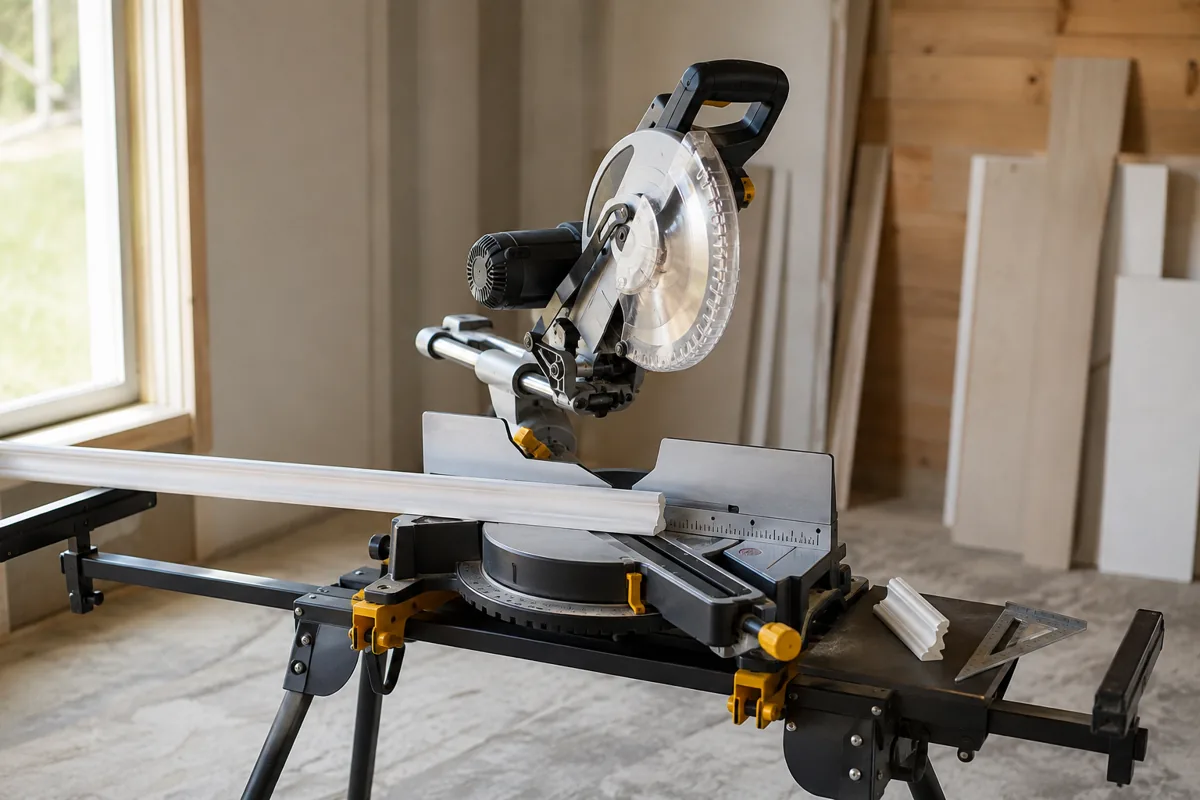
Deck building is mostly repetitive crosscutting, but that does not make the saw choice unimportant. A miter saw has to cut treated lumber cleanly, hold its settings through dozens of cuts, and fit on a crowded jobsite. The DeWalt DWS709 and Ridgid R4123 are both 10-inch dual-bevel sliding miter saws, but they take different approaches to portability, controls, and long-term use.
The short version: the DWS709 is the better choice for a contractor who values compact size, familiar DeWalt controls, and a strong service ecosystem. The R4123 is often the better buy for a homeowner or occasional deck builder if its lower price and included stand or accessories make the complete package cheaper. Neither is ideal for cutting every large deck beam; both are best suited to joists, decking, rail components, and ordinary trim.
As an Amazon Associate we earn from qualifying purchases at no extra cost to you.


Our Top Picks
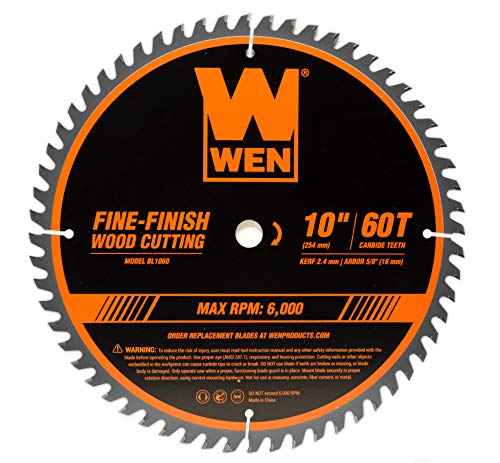 WEN BL1060 10-Inch 60-Tooth Fine-Finish Professional Woodworking SawPack of one1.5 poundsCheck on Amazon


Specifications and cutting capacity
| Feature | DeWalt DWS709 | Ridgid R4123 |
|---|---|---|
| Blade size | 10 inches | 10 inches |
| Motor | 15 amp | 15 amp |
| Bevel | Dual bevel | Dual bevel |
| Sliding action | Yes | Yes |
| Maximum crosscut | About 8 inches at 90 degrees | About 12 inches at 90 degrees |
| Typical bare-saw weight | About 51 pounds | About 55 pounds |
Published capacities can vary slightly by revision, blade, and the way the manufacturer measures the cut. Check the manual before relying on a saw for a particular structural member. A 10-inch sliding saw generally handles a 2×8 flat on the table, but a 2×10 may require repositioning, a second cut, or a different setup. It will not replace a larger saw for 4×10 beams, wide stair stringers, or heavy framing timbers.
Performance on deck lumber
Both saws use a 15-amp motor, which is enough for normal pressure-treated 2x lumber. A sharp 24-tooth or 32-tooth framing blade will cut quickly, while a 60-tooth blade leaves cleaner ends on fascia, rail parts, and other visible boards. For most deck framing, a 10-inch framing miter saw blade is the sensible starting point.
The DWS709 feels compact because of its short sliding rails and relatively straightforward layout. That matters when the saw is sitting between a wall and a stack of lumber. Its detents and bevel controls are familiar and quick to use, though the bevel scale and positive stops still deserve verification with a square. A saw can leave the factory accurate and become slightly out of square after transport or a hard knock.
The Ridgid R4123 offers comparable power and a generous crosscut range for its size. That extra capacity is useful when cutting decking boards or wide rail components. The trade-off is that a wider slide mechanism needs more room behind the saw, and its moving parts must be kept clear of sawdust and wet treated-lumber debris. Either saw can produce a poor cut if the workpiece is not supported level with the table.
Accuracy, bevels, and common failure points
Dual bevel is valuable on a deck because you can tilt the blade left or right without flipping a long rail or trim piece. It is especially convenient for opposing angles on railings and stair parts. However, dual-bevel capability does not eliminate layout work. Mark the waste side, confirm the angle, and make a test cut on scrap before cutting an expensive board.
The most common failure mode with either saw is not a weak motor. It is an inaccurate setup. A miter fence that is slightly out of alignment can turn repeated 45-degree cuts into gaps. A loose bevel lock can change the angle during a cut. A board that bows away from the fence can also create a wedge-shaped cut or bind the blade. Before production cutting, check the fence with a square, test both bevel directions, and tighten the slide and bevel locks firmly without forcing them.
Pressure-treated lumber creates another problem: wet, warped boards can pinch the blade. Support long stock on both sides, keep your hands outside the marked safety zones, and let the blade reach full speed before entering the material. Never pull the saw head through a cut while the blade is still turning in the board.
Portability and jobsite use
Neither saw is genuinely lightweight. Around 50 pounds is manageable for one person over a short distance, but carrying either up deck stairs becomes awkward. The DWS709 has the advantage when storage space and transport size matter. Its compact design is easier to load into a car or place on a small portable stand.
The R4123 makes sense when its added capacity is more useful than its slightly bulkier feel. If you are cutting many wide deck boards, that additional travel can reduce the number of flips and repositioning cuts. Each repositioning adds chances for a crooked cut, especially when lumber is bowed.
For stationary work, put either saw on a stable stand with long supports. A portable miter saw stand with material supports is often a better upgrade than paying extra for small convenience features. Unsupported 12-foot boards can lever the saw off the bench or lift the cut end as the blade exits.
Which one should you buy?
Choose the DeWalt DWS709 if you regularly move tools between jobs, already own DeWalt batteries and accessories, or want a compact saw from a brand with broad parts and service availability. It is also the safer pick when you find a clean, lightly used example at a reasonable price, since this model is not always sold new.
Choose the Ridgid R4123 if the price is substantially lower and you mainly need a capable saw for one deck, occasional repairs, and home projects. The cheaper option is fine for cutting joists and decking when the saw is properly supported and calibrated. Spending more on the DeWalt will not make a bad layout accurate or make either saw suitable for oversized beams.
Before buying used, test the slide for side-to-side play, lower the blade through its full travel, and check that the bevel locks securely at both sides. Inspect the blade guard for smooth operation and look for cracks around the table and fence. Also confirm that the saw includes its dust bag, hold-down clamp, and fence hardware; replacement parts can erase the savings.
For visible deck trim, pair the saw with a 10-inch fine-finish miter saw blade. For structural cuts, use a more open-tooth blade and expect pressure-treated lumber to dull it faster. In practical terms, the better saw is the one you can keep square, support safely, and set up close to the work—not necessarily the one with the longest specification sheet.