What's inside
As an Amazon Associate I earn from qualifying purchases. This post may contain affiliate links at no extra cost to you.
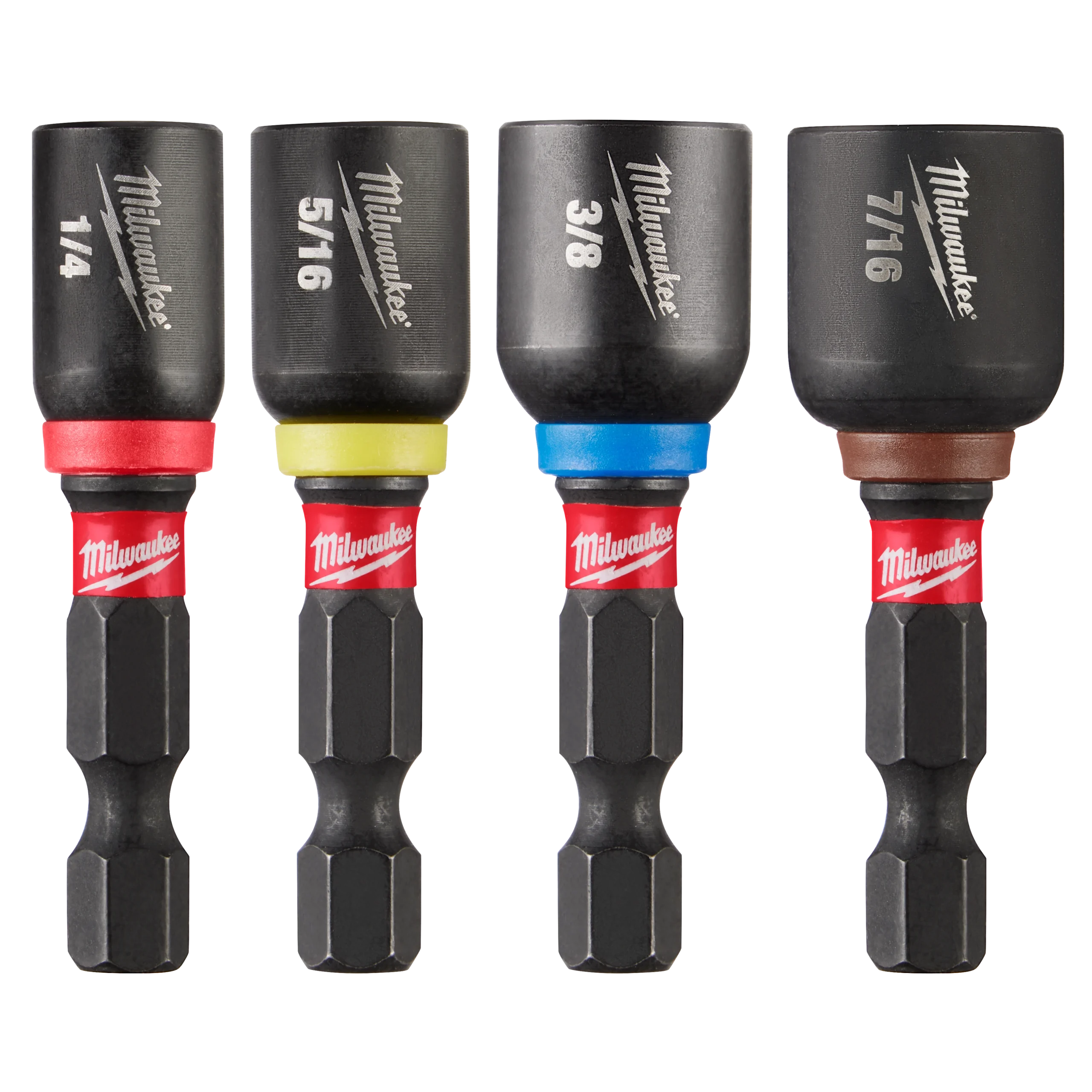
Installing sheet-metal ductwork is a repetitive fastening job, and the right nut driver set can make the difference between steady progress and dropped hardware. For most duct installers, a magnetic 1/4-inch hex-shank set with 1/4-, 5/16-, and 3/8-inch drivers covers the common self-drilling screws, hanger hardware, and connector fasteners. The best set is not necessarily the one with the strongest magnet; it is the one that holds screws securely without becoming too long, loose, or awkward in a drill or impact driver.
As an Amazon Associate we earn from qualifying purchases at no extra cost to you.


Our Top Picks
 Klein Tools 32926S 2-Inch Magnetic Power Nut Setters2-Inch / 6-Piece Set, SAE7.02 x 3.69 x 0.94 inchesCheck on Amazon
 AMM 39PCS Magnetic Nut Driver Set for Impact39PC Magnetic Nut Driver Set9.72 x 6.57 x 2.36 inches3.35 poundsCheck on Amazon


What matters for ductwork
Most sheet-metal ductwork uses hex-head screws in the 1/4- and 5/16-inch sizes. A 3/8-inch driver is useful for larger fasteners, but it is not essential for every installation. Before buying, check the screw sizes you actually use. A set with six oversized drivers may look like better value, but unused SAE and metric sizes add bulk without improving the job.
For use in a cordless drill or impact driver, choose drivers with a 1/4-inch hex shank. A standard quick-change shank is convenient when switching between a drill bit, nut driver, and screw bit. Impact-rated shanks are preferable if you routinely use an impact driver, especially when driving self-drilling screws through heavier-gauge metal. They are less likely to snap at the shank under repeated shock loads.
A magnetic tip should hold a screw when the driver is held horizontally, but it should not require excessive force to remove the fastener. An overly strong magnet collects steel shavings and can pull screws sideways as you approach a hole. That is a nuisance when working near thin duct seams, insulation, or finished surfaces.
Best set for most installers
For general residential and light commercial HVAC work, I would choose a compact magnetic impact nut driver set with 1/4-, 5/16-, and 3/8-inch sizes. These three sizes handle the majority of common duct screws and hardware while fitting in a pouch or small tool case.
Look for a set with clearly stamped or laser-marked sizes. Paint-filled markings are easy to read at first but can wear off after the drivers rub against other tools. A sleeve length of roughly 2 to 3 inches is a good compromise: long enough to reach a screw in a duct flange, but short enough to work in a crowded mechanical space. Extra-long drivers can reach recessed fasteners, but they also flex more and are easier to hit against nearby metal.
For crews that use only a drill at moderate speed, a conventional magnetic set is usually sufficient. If the same drivers are used daily in an impact driver, spend more for an impact-rated set with a reinforced shank. The price difference is often cheaper than replacing a broken driver halfway through an installation.
Head-to-head comparison
| Set type | Best use | Main advantage | Main drawback |
|---|---|---|---|
| Basic magnetic 3-piece set | Occasional duct repairs and light installation | Low cost and small footprint | May loosen or break under impact use |
| Impact-rated 3-piece set | Daily use with a drill or impact driver | Better shank durability and retention | Costs more; magnet quality still varies |
| Long magnetic set | Recessed screws and insulated duct connections | Extra reach around flanges and obstructions | More flex, bulk, and accidental contact |
| Large mixed-size set | Installers handling varied equipment and hardware | Covers many fastener sizes | Most sizes may never leave the toolbox |
Magnet and socket design
The magnet should sit far enough inside the socket to support the screw head without preventing the hex walls from engaging. A magnet that protrudes too far can hold a screw off-center, increasing the chance of stripping the head. This matters with self-drilling screws, where the driver must stay aligned while the tip cuts through metal.
Thin-wall sockets are helpful when a screw is close to a flange or another fastener, but they can be less durable if abused with an impact driver. Thick-wall drivers tolerate more torque, although they may not fit into tight corners. For standard 26- to 30-gauge ductwork, torque is rarely the limiting factor; access and alignment matter more.
Some drivers use a permanent magnet, while others use a retaining ring or spring mechanism. Magnetic retention is faster for repeated overhead work. However, if you are driving stainless or nonmagnetic fasteners, the magnet will provide little help. In that situation, a mechanical retaining design or a dedicated screw-holding bit can be more reliable.
When the cheaper option is good enough
A basic magnetic 1/4- and 5/16-inch nut driver set is fine for occasional work, short repair jobs, or a homeowner installing a few takeoffs. If you use a drill rather than an impact driver and stop when the screw seats, a budget set can last for years.
The cheaper choice becomes a false economy when the driver is used at high speed, twisted sideways, or left in the chuck while the tool is dropped. Common failures include a rounded hex socket, a cracked shank, and a magnet that falls out after repeated impacts. Do not use the nut driver as a pry bar or to enlarge a misaligned hole. Those loads are outside its design and can damage both the driver and the screw head.
Buying and using tips
Buy the sizes that match your screws first, then add a longer 5/16-inch driver if your duct system has recessed connections. A long impact-rated 5/16-inch magnetic nut driver is often more useful than a large assortment of rarely used sizes.
Keep the driver straight to the screw axis and use a moderate drill speed. For self-drilling screws, light pressure helps the tip cut; excessive pressure can push the screw off line or deform the thin sheet. Stop when the washer or screw head is seated. Overdriving can strip the hex, crush the duct, and leave a hole that leaks air.
After each workday, tap metal chips out of the socket and check the magnet and shank for movement. Replace a driver when the socket no longer grips the fastener firmly. In ductwork, a fresh, accurately fitting driver usually saves more time than trying to nurse a damaged one through another installation.